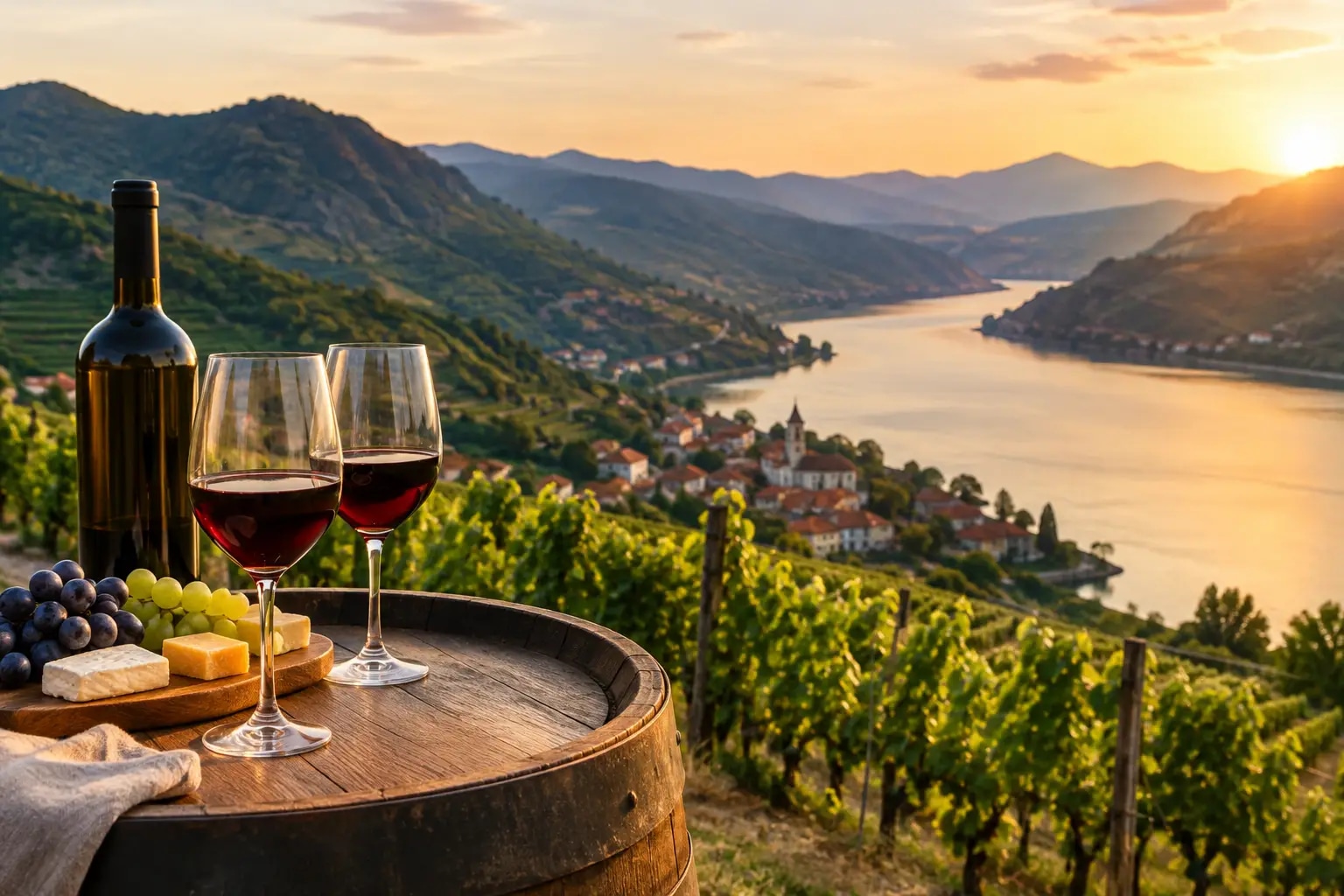
A late lunch in a stone village, one local bottle on the table, and no pressure to rush to the next tasting: that is the appeal of the best Balkan wine regions. They are not built around polished wine-resort routines. Most are places where vineyards sit beside family homes, fishing towns, mountain roads, or old city centers, and where a good glass is still part of an ordinary meal.
For travelers coming from the US, Western Europe, or elsewhere in the diaspora, wine can give a Balkan trip a useful shape. It turns a beach week into a small road trip, adds purpose to a visit with relatives, and offers an alternative to crowded old towns in peak summer. The key is not trying to cover the whole region. Choose one or two wine areas, leave room for long lunches, and plan around the season.
How to Choose Among the Best Balkan Wine Regions
There is no single best choice for every traveler. Istria works well if you want food, coastal access, and easy driving. Herzegovina and Pelješac suit people who like bolder reds and dramatic limestone landscapes. Slovenia is ideal for a more refined, countryside-focused break, while North Macedonia and Bulgaria offer particularly strong value for serious wine drinkers.
Harvest season, generally from late August into October depending on altitude and grape variety, is the most atmospheric time to go. It is also the period when small producers are busiest. Spring brings green vineyards and quieter roads. In July and August, book tastings ahead and schedule them for late afternoon, especially in hotter southern regions.
1. Istria, Croatia: Malvasia, Truffles, and Coastal Detours
Istria is one of the easiest wine regions to add to a Croatian vacation because it does not require choosing between vineyards and the sea. You can spend the morning in Rovinj or Poreč, drive inland for a cellar visit and lunch, then return to the coast before sunset.
Istrian Malvasia is the essential white to try. Styles vary from fresh and floral to more textured, oak-aged versions, so it is worth tasting more than one producer rather than assuming every bottle is the same. Teran, the region's signature red, is darker, brisker, and especially good with cured meats, game, and Istria's famous truffle dishes.
The trade-off is popularity. Istria is not an undiscovered secret, and summer prices can reflect that. For a calmer experience, stay in an inland hill town rather than making every visit from the coast. That also makes it easier to enjoy dinner without worrying about a long drive back.
Best for
Couples and families who want a wine-focused day without giving up beaches, historic towns, or good restaurant options.
2. Pelješac, Croatia: Powerful Reds by the Adriatic
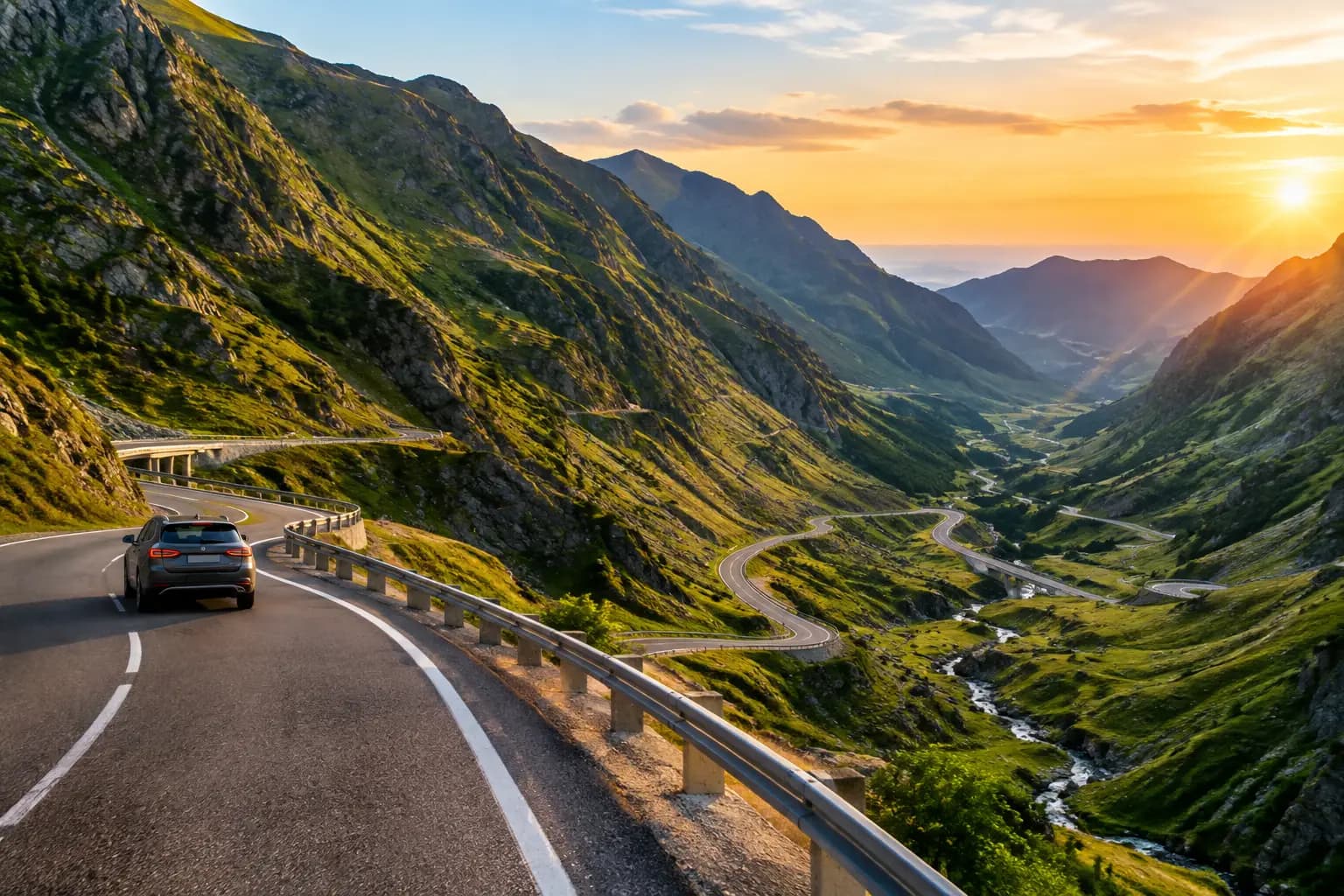
The Pelješac Peninsula is for travelers who want their wine trip to feel unmistakably Mediterranean. The roads curve through steep vineyards above the Adriatic, and the best stops naturally combine wine with oysters, seafood, and small harbor towns.
Plavac Mali is the grape to know here. It produces full-bodied reds with dark fruit, dried herbs, and enough warmth to stand up to grilled meat and rich Dalmatian cooking. The famous slopes around Dingač and Postup can produce serious, age-worthy wines, but do not overlook simpler local bottles served with lunch. They often make more sense in the heat than the biggest, highest-alcohol labels.
Pelješac is best approached slowly. It is tempting to treat it as a quick extension from Dubrovnik, but an overnight stay changes the experience completely. Arrive before lunch, visit one or two wineries, eat seafood in Ston or a smaller village, and let the tasting end the day rather than interrupt it.
3. Herzegovina, Bosnia and Herzegovina: Native Grapes and Stone Landscapes
Herzegovina has one of the clearest wine identities in the Balkans, yet it remains less crowded than many coastal routes. Around Trebinje and the wider southern wine country, vineyards grow in warm, dry conditions among pale stone hills, fig trees, and old villages.
The local white Žilavka is the starting point. At its best, it is dry, lively, and textured enough for grilled fish, cheese, or vegetable dishes. Blatina, the region's notable red, can be softer and more aromatic than the powerhouse reds of Pelješac, with a style that rewards drinking over a long meal rather than collecting for a cellar.
This is a region where winery visits feel personal. Many are family-run, and the experience can be informal in the best sense: a tasting may become a conversation about harvests, food, or where your family comes from. Confirm opening times before arriving, particularly outside the main travel season. Small producers do not always follow a fixed daily schedule.
4. Tikveš, North Macedonia: Big Sun, Strong Value
For travelers who care about value as much as discovery, the Tikveš area around Kavadarci deserves serious attention. This is one of the Balkans' most important wine zones, with hot summers, broad vineyard landscapes, and a long tradition of growing both local and international grapes.
Vranec is the red to seek out. It is deep-colored, structured, and often generously fruity, though better examples retain freshness and balance. Local whites such as Smederevka can be light and refreshing in summer, while more ambitious producers also make expressive versions of Temjanika, an aromatic grape with floral character.
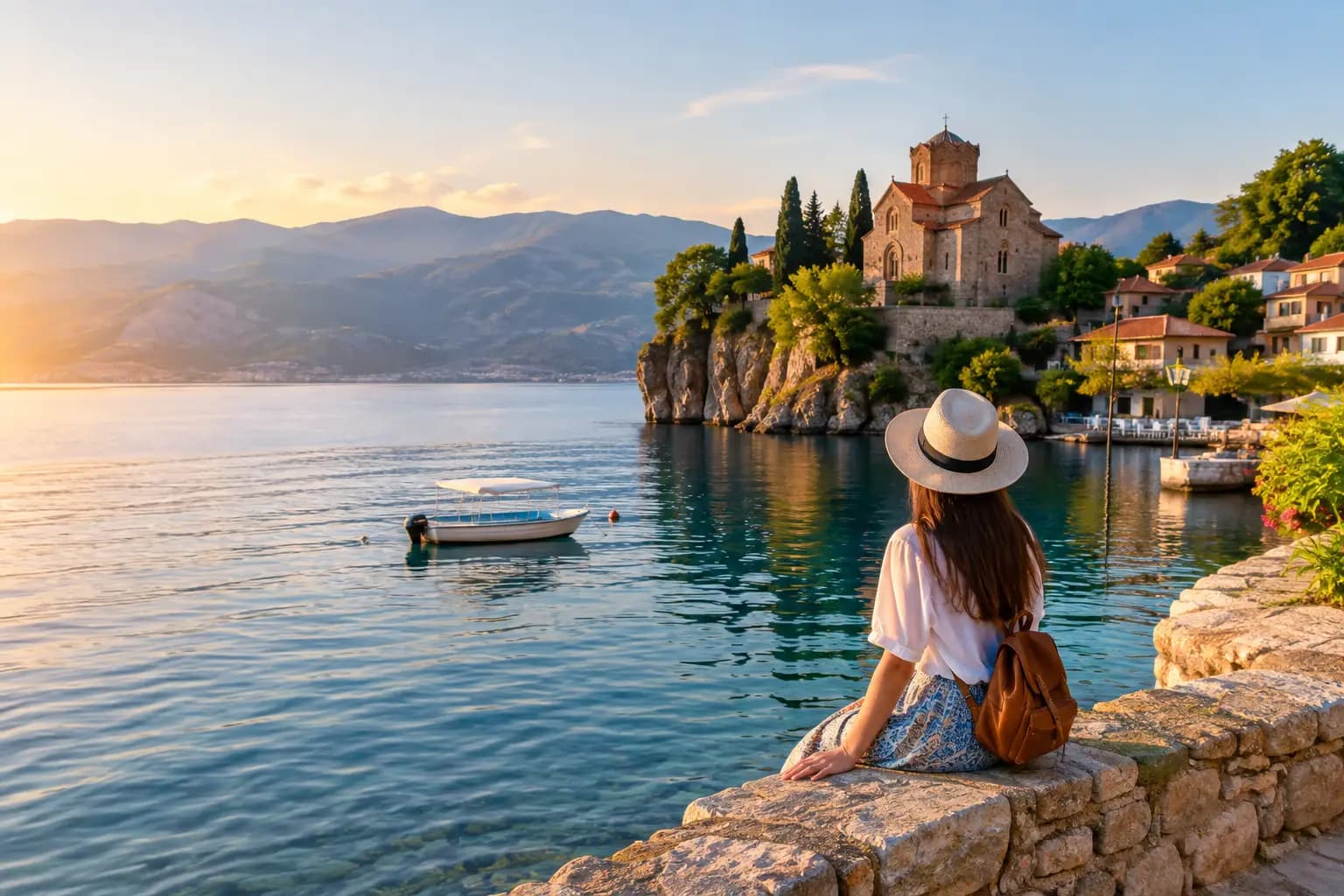
Tikveš is not a coastal holiday add-on, so it works best as part of a wider North Macedonia itinerary. Pair it with time in Skopje, Lake Ohrid, or a road trip through the country's inland landscapes. The practical advantage is clear: tastings, meals, and accommodations are often more affordable than in better-known Adriatic wine destinations.
5. Goriška Brda and Vipava Valley, Slovenia: The Polished Choice
Slovenia's western wine country is a strong option for travelers who prefer small boutique stays, carefully prepared food, and scenic drives that do not feel exhausting. Goriška Brda is a landscape of rolling vineyard hills, orchards, and compact villages, while the Vipava Valley offers a slightly wilder, wind-shaped setting beneath the mountains.
Rebula is central in Goriška Brda, appearing in crisp, classic styles as well as more textured skin-contact wines. In Vipava, look for indigenous varieties such as Zelen and Pinela alongside excellent whites from broader European grapes. This is also one of the better regions for travelers curious about orange wine, although those styles are not always the easygoing introduction some visitors expect. Ask for a tasting flight if you are unsure.
Slovenia is usually less of a bargain than North Macedonia or parts of Bulgaria, but the standard of accommodation and dining can justify the difference. It is particularly well suited to a long weekend or a quieter stop between Ljubljana and the coast.
6. Fruška Gora, Serbia: A Weekend Wine Route Near Novi Sad
Fruška Gora offers a practical wine escape without requiring a major detour. Its gentle slopes rise above the Danube near Novi Sad, making it an easy addition for travelers visiting family, planning a Serbian city break, or building a longer inland road trip.
The region has deep winemaking roots and a mix of styles. Bermet, an aromatic fortified wine flavored with herbs and spices, is the local curiosity worth trying. For table wines, you will find fresh whites, rosés, and increasingly confident reds from both established cellars and smaller producers.
Fruška Gora is less about dramatic vineyard scenery than Pelješac or Slovenia, and that is part of its strength. It is accessible, relaxed, and built for a leisurely afternoon rather than a destination wine pilgrimage. Combine a tasting with lunch in Sremski Karlovci or a walk through the national park.
7. Thracian Valley, Bulgaria: Reds with Real Depth
Bulgaria's Thracian Valley is a compelling choice for people who like structured reds and want to explore beyond the usual Adriatic routes. The area around Plovdiv and the southern interior has warm conditions, a long winemaking history, and a growing number of producers combining local grapes with modern cellar work.
Mavrud is the name to remember. It can be dark, tannic, and savory, with enough character to appeal to fans of serious red wine. Rubin, a local crossing, is another worthwhile find. International varieties are widely planted too, but the most memorable tasting experiences usually come from producers that give local grapes a central role.
Plan this region around Plovdiv rather than treating wine as a rushed day trip from the coast. The city provides restaurants, accommodation, and an enjoyable base, while nearby wineries offer a good reason to rent a car or arrange a driver. As always with red-wine regions in summer, earlier tastings and shaded lunches make the day far more comfortable.
Build the Trip Around the Table, Not the Tasting Sheet
The strongest Balkan wine trips are not about ticking off the most cellars. Two thoughtful visits in a day are usually enough, especially when driving is involved. Leave space for a village lunch, a local market, or a stop that was never on the original itinerary.
If you are returning to the region after years away, wine country can be a particularly easy way back in: familiar food, a slower pace, and landscapes that still feel connected to everyday life. Choose the region that fits your route, book the first tasting, and let the rest of the day unfold around the table.
Ready for your next adventure?
Compare flights, accommodation and activities – ljetovanje.com helps you find the best deals for your perfect holiday.
ljetovanje.com
Travel expert and contributor for Ljetovanje.com