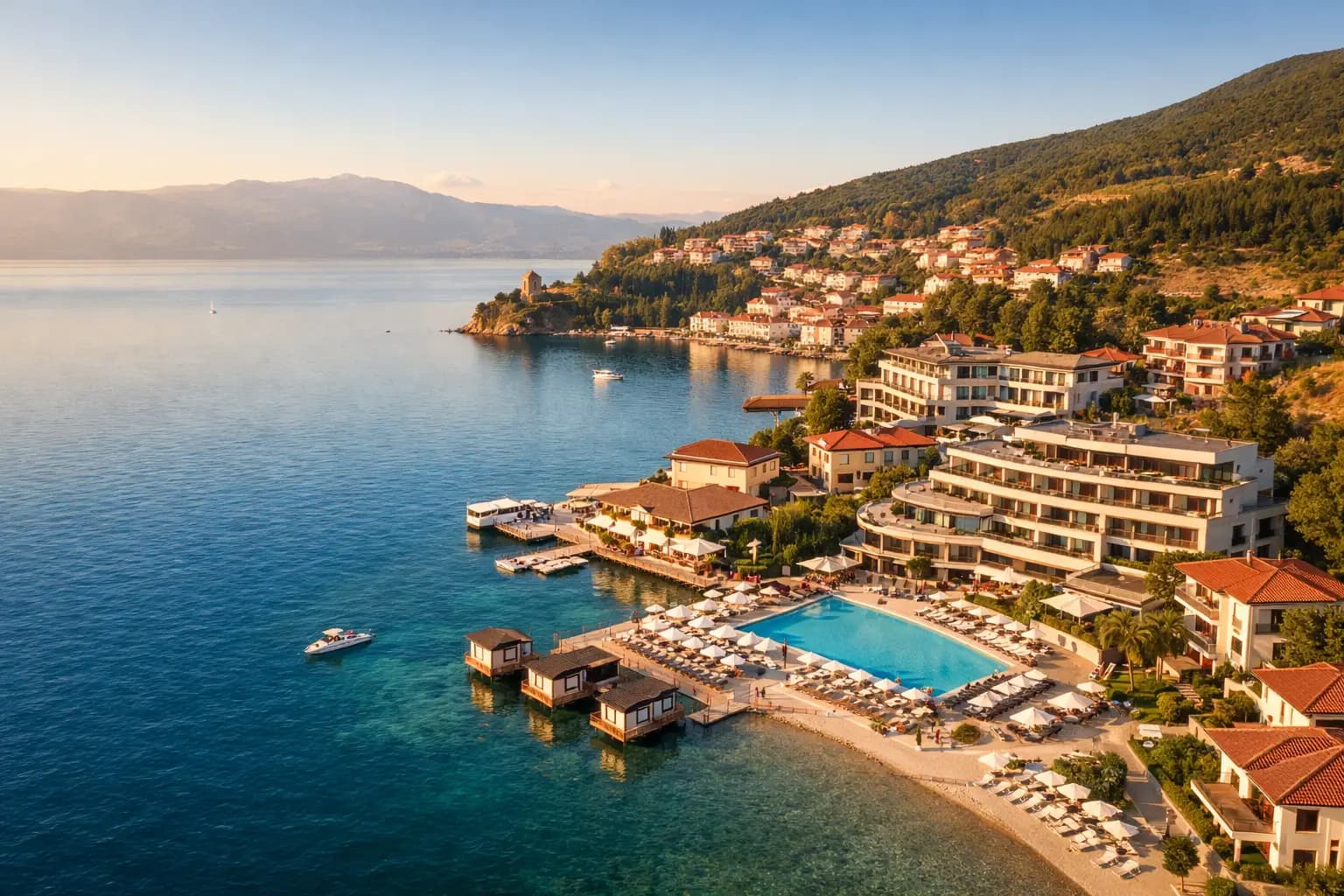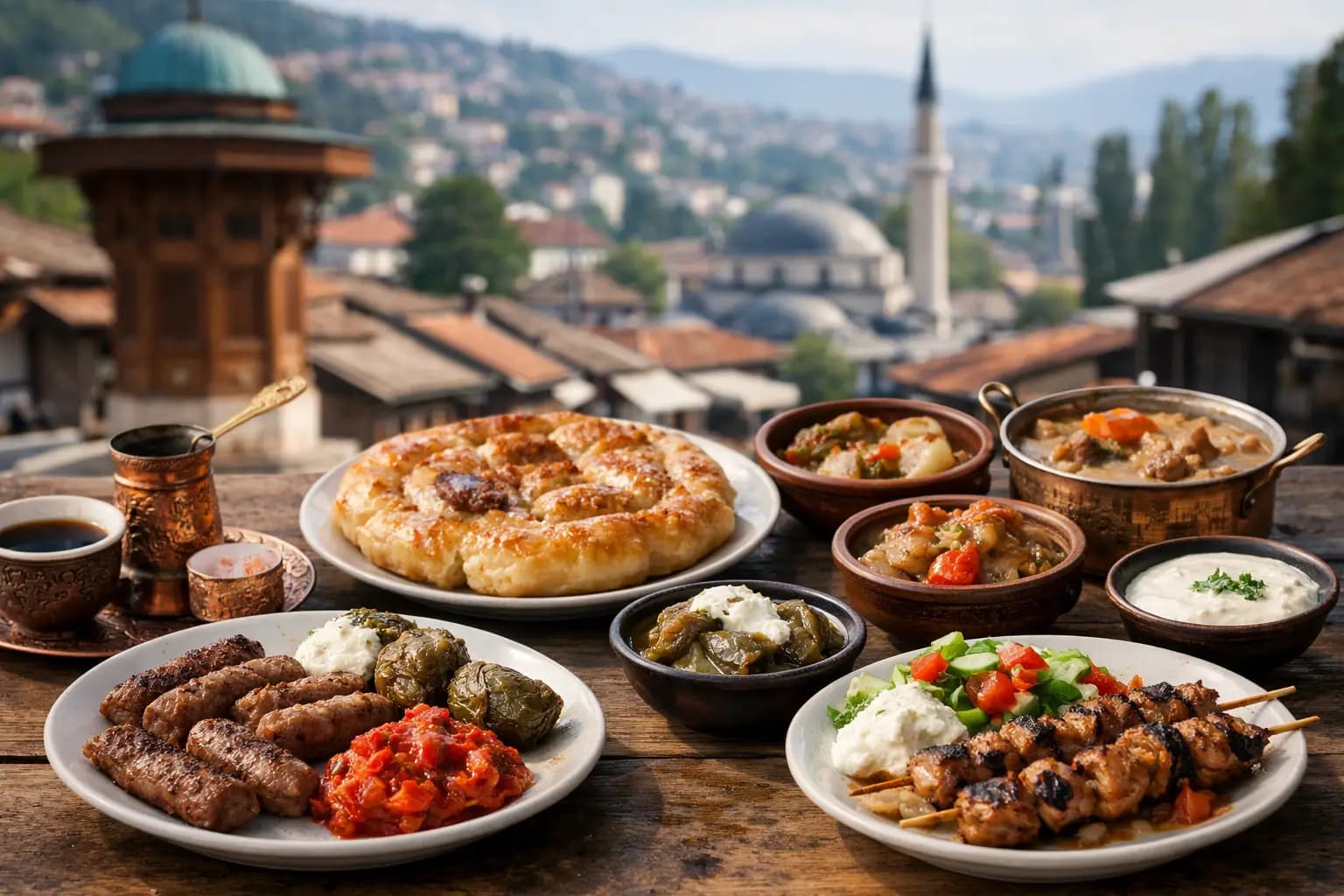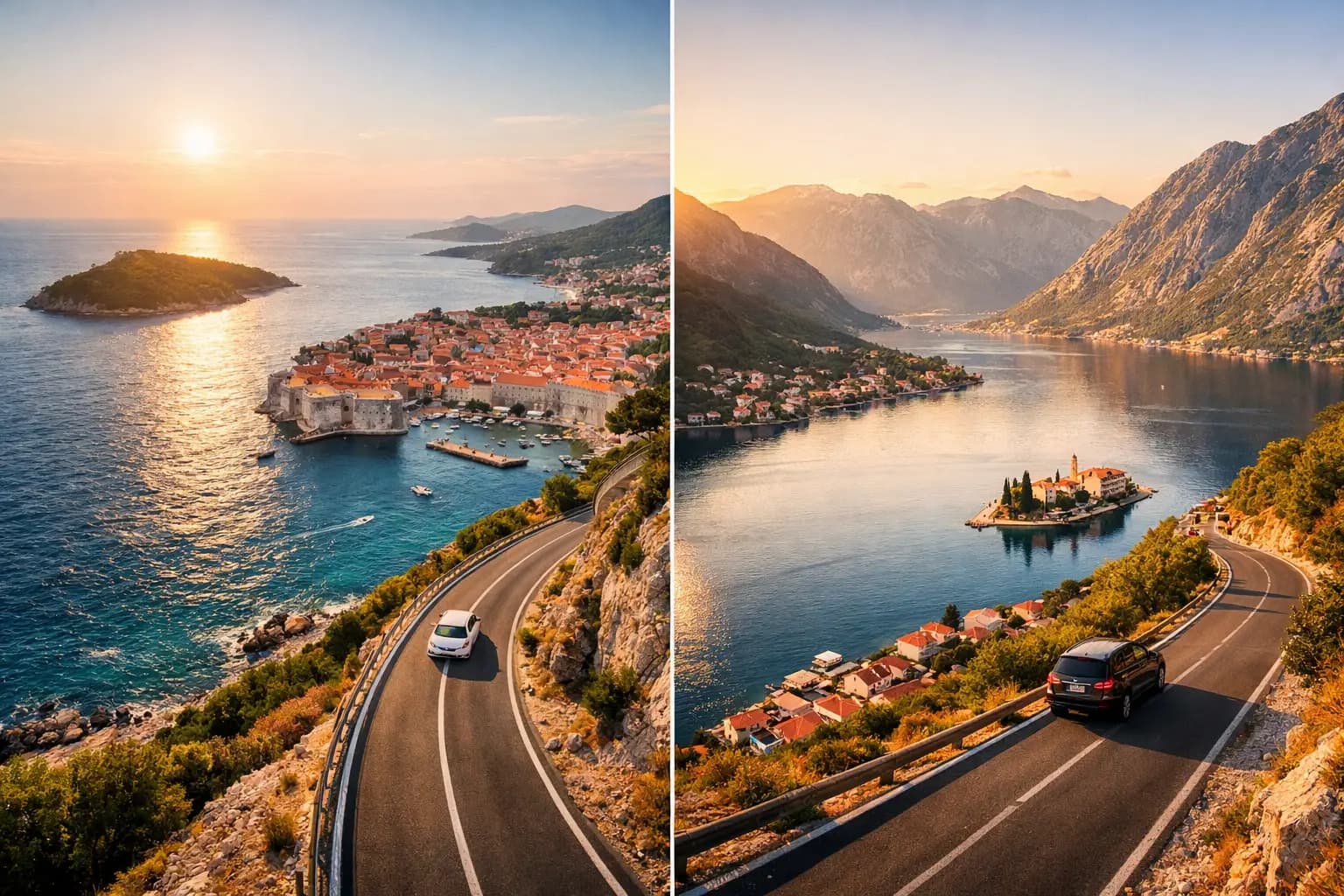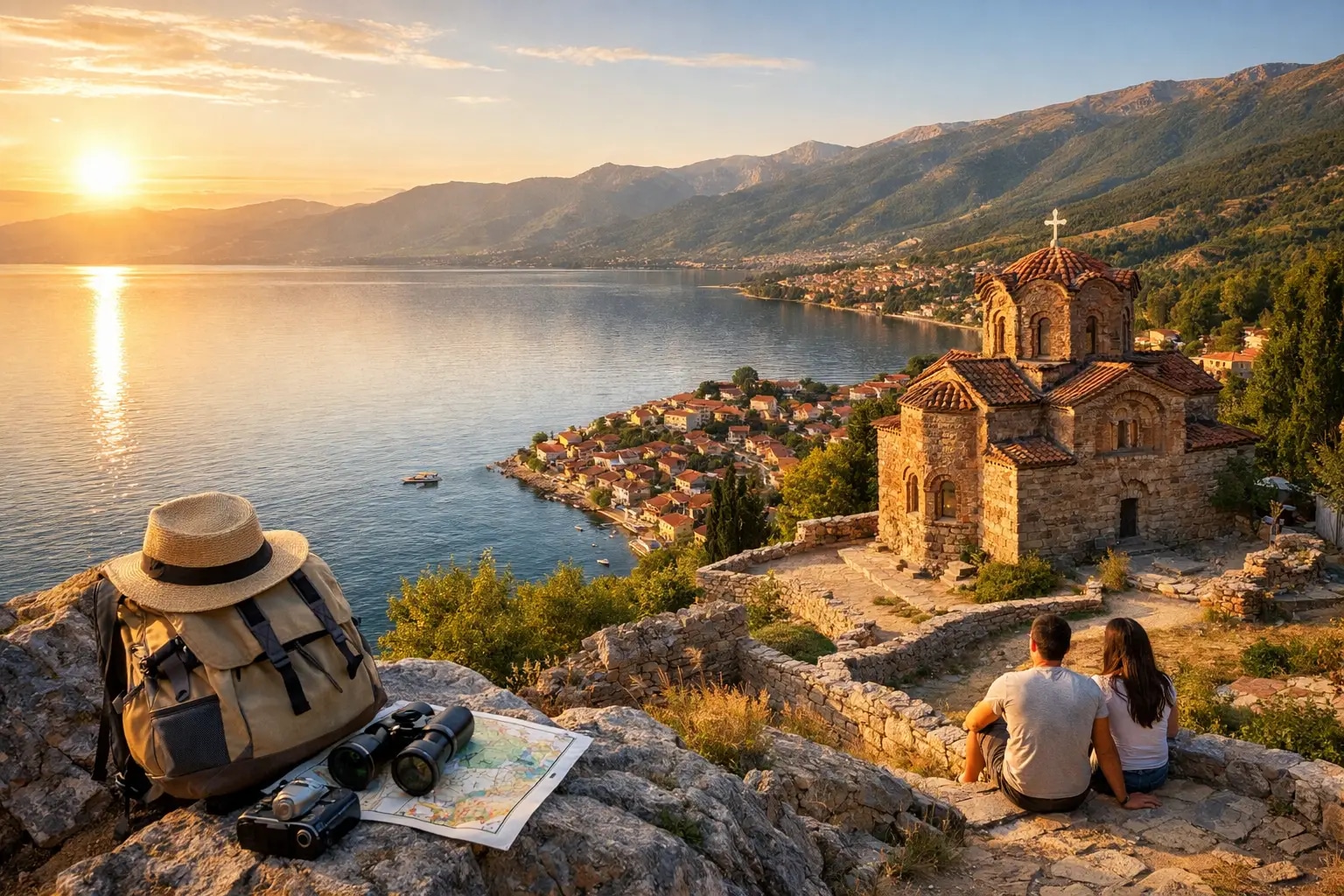
If your plan for North Macedonia starts and ends with Ohrid, you are not wrong - but you are leaving a lot on the table. The best north macedonia travel tips are less about chasing a checklist and more about understanding how the country actually works on the ground: short distances that still take time, excellent food that stays affordable, and cities and lake towns that feel easy once you know the rhythm.
For travelers from the Balkans and diaspora visitors coming from the US or Western Europe, North Macedonia often makes sense for the same reasons it gets overlooked by mainstream travel sites. It is compact, relatively budget-friendly, and full of places that still feel lived-in rather than staged. That also means practical details matter. A good trip here is usually the result of smart timing, realistic transport planning, and choosing the right base.
North Macedonia travel tips for planning the route
The first decision is not what to see. It is where to sleep and how often to move. North Macedonia is small, but not so small that you should change hotels every night. Roads are generally manageable, yet mountain sections and local traffic can slow down what looks like a short drive on the map.
If you have four to six days, one of the simplest approaches is to split your stay between Skopje and Ohrid. Skopje gives you the capital, food scene, and easy access to nearby day trips. Ohrid gives you the lake, the old town atmosphere, and a slower pace. If you have a week or more, then adding Bitola, Mavrovo, or a winery stop in the Tikves region starts to make sense.
The trade-off is straightforward. Staying in fewer places makes the trip easier and usually cheaper. Moving around more gives you a fuller picture of the country, but you lose time in transit and check-ins. Families with kids usually do better with two solid bases. Couples and road trippers can be more flexible.
When to go if you want good weather without crowds
Late spring and early fall are usually the sweet spots. May, June, and September tend to offer the best balance of warm weather, easier driving, and fewer crowds than the peak summer period. Ohrid in particular can get busy in July and August, and prices rise with demand.
Summer still works well if lake time is the priority. The atmosphere is lively, restaurants stay open late, and the town feels energetic. But if you want a quieter version of Ohrid, go just before or after the high season. You will get more breathing room on the waterfront and often better accommodation value.
Winter is more situational. Skopje works year-round, and mountain areas can appeal if you want a colder, quieter break. But if your image of North Macedonia is tied to lake walks, old town streets, and outdoor cafés, spring and fall are more forgiving.
Getting around: car, bus, or private transfer?
One of the most useful north macedonia travel tips is to choose transport based on your route, not habit. Renting a car gives you the most freedom, especially if you want to combine cities, villages, national parks, and winery areas. It is the better option for travelers who like stopping along the way and not depending on timetables.
That said, a car is not automatically necessary. If your trip is mainly Skopje and Ohrid, buses can be perfectly workable. They are often the more practical choice for budget-conscious travelers who do not want to deal with parking, navigation, or one-way rental complications.
Private transfers sit in the middle. They cost more, but they remove friction, especially if you are arriving late, traveling with family, or coming from a nearby airport and want a direct connection. For diaspora travelers trying to fit a short break into a tight schedule, paying for convenience can be the right call.
If you do drive, keep your expectations realistic. The country is compact, but road time can still add up. Leave margin in your day instead of planning every hour.
Money, prices, and how much cash to carry
North Macedonia remains one of the more affordable trips in the region, especially for food and everyday spending. You can eat well without overthinking every order, and café culture still feels accessible rather than overpriced.
The local currency is the Macedonian denar. In bigger tourist areas, cards are widely accepted, but cash still matters in smaller places, local bakeries, markets, and some family-run businesses. A good habit is to carry enough cash for small purchases and keep card payment for hotels, larger restaurants, and supermarkets where available.
Budget-wise, the value is strongest if you travel outside peak dates and avoid booking too late. Ohrid in summer can still be reasonable compared with many coastal destinations, but the best waterfront options fill up early. Skopje often gives better year-round price flexibility.
Where to stay depends on what kind of trip you want
This is where many travelers get it slightly wrong. They pick the most famous area rather than the most useful one. In Skopje, staying central makes sense if you want to walk to restaurants, sights, and evening spots without using transport. In Ohrid, the old town has atmosphere, but it may not be the easiest choice for everyone.
If you are traveling light and want charm, the old town is worth it. If you have kids, heavy luggage, or a car, a stay just outside the busiest core can be the smarter move. You often get easier access, simpler parking, and more space, while still being close enough to the lake and main sights.
Apartments are often a strong fit in North Macedonia, especially for families and longer stays. They usually offer more room and better value than standard hotel setups. This is one of those destinations where practical accommodation often beats flashy accommodation.
Food and dining tips that actually help
You do not need a complicated food strategy here. In fact, one of the best travel habits in North Macedonia is to keep it simple and eat where locals are clearly eating. Grilled meat, fresh salads, baked dishes, lake fish around Ohrid, and generous breakfasts are common strengths.
Restaurant timing matters a bit. In busy summer periods, good places in Ohrid fill quickly in the evening, especially those with lake views. In Skopje, the range is broader, and it is easier to find something spontaneous. Reservations are helpful when a place is small or popular, but not every meal needs planning.
Also, do not assume the best food sits directly on the main promenade. Sometimes the better meal is one or two streets away, where the setting is less polished and the kitchen is more consistent.
Cultural pace: relaxed, but not careless
North Macedonia is generally easygoing, and that is part of the appeal. People are often warm, direct, and willing to help if you ask clearly. Still, relaxed does not mean disorganized. You will have a smoother trip if you confirm practical details ahead of time, especially transfers, parking, and check-in arrangements at smaller properties.
Dress is usually casual, but modest clothing makes sense when visiting religious sites. In tourist areas, the atmosphere is flexible. In quieter towns and churches, a bit more awareness goes a long way.
English is common in many tourism-facing settings, especially among younger people, but not universal everywhere. Basic politeness and patience matter more than perfect language.
What not to underestimate in North Macedonia
The first thing is heat. Summer days can be intense, particularly if you are walking uphill through old town streets or sightseeing in the middle of the afternoon. Water, shade breaks, and slower pacing are not overplanning here - they are common sense.
The second is how much there is to do beyond the obvious highlights. Many travelers treat North Macedonia as a quick add-on. It can work that way, but the country is better when you give it enough time to breathe. One extra night in Ohrid or one unplanned afternoon in Bitola often ends up being more memorable than trying to fit in one more stop.
The third is expectations around speed. Service in restaurants can be relaxed, and travel days may not run with the precision some visitors expect from larger transit hubs. If you approach the trip with a tighter, Western European city-break mindset, small delays may feel annoying. If you leave room for them, the pace starts to feel natural.
A few final North Macedonia travel tips before you book
Build the trip around two or three strong priorities, not ten. If your goal is lake time, make Ohrid the centerpiece. If you want food, urban energy, and easy access, start with Skopje. If you want a more varied route, rent a car and add one inland stop rather than trying to see everything.
North Macedonia rewards travelers who plan just enough and then stop forcing the schedule. That is usually when the trip starts to feel less like transit and more like a real break - which, for most people, is the whole point.
Ready for your next adventure?
Compare flights, accommodation and activities – ljetovanje.com helps you find the best deals for your perfect holiday.
ljetovanje.com
Travel expert and contributor for Ljetovanje.com