A Balkan road trip can begin with coffee in Ljubljana, turn into a mountain drive by afternoon, and end with dinner beside the Adriatic. That range is exactly why deciding what to pack for a Balkan roadtrip is less about bringing more and more about bringing the right layers, documents, and small items that save time when plans change.
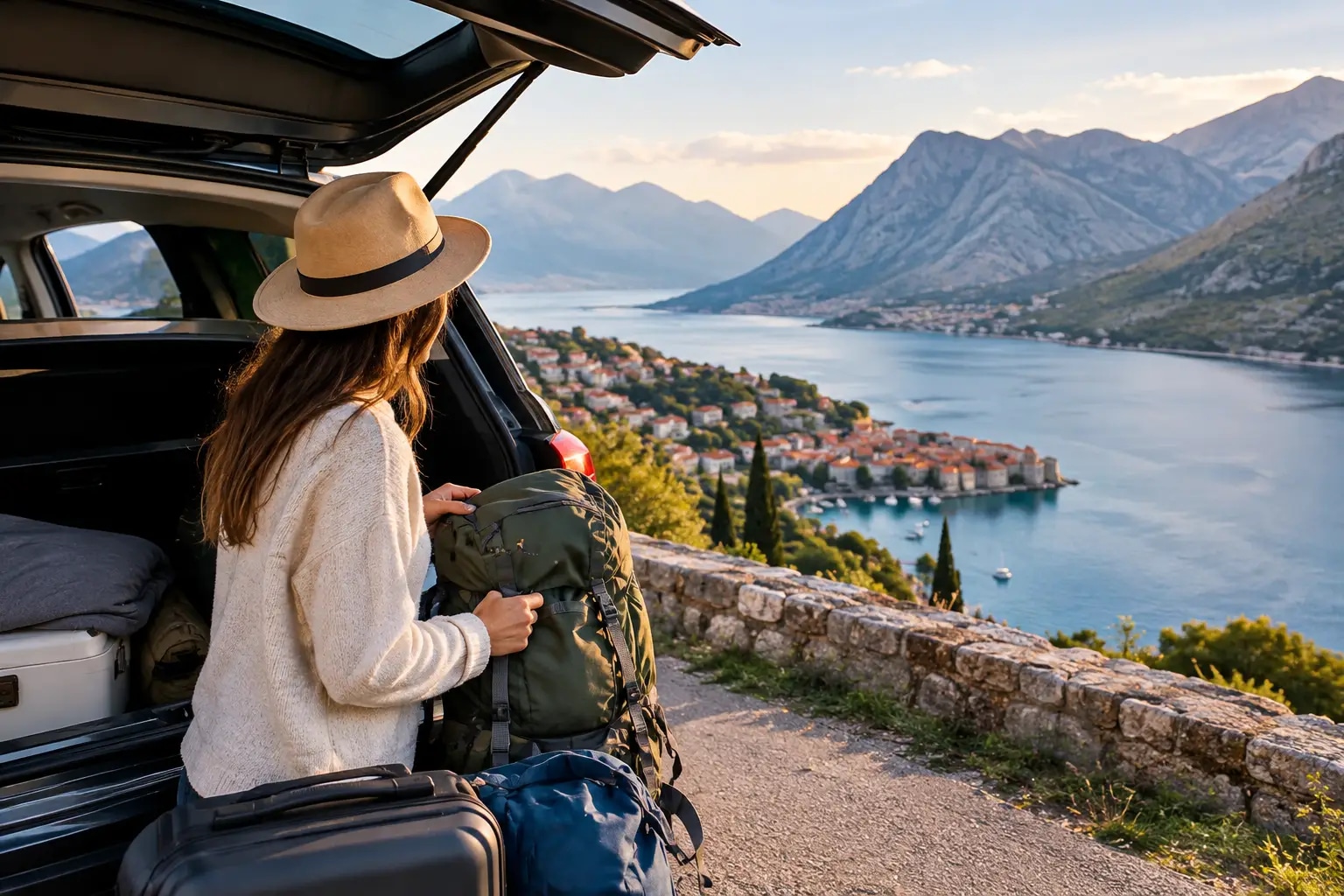
The smart approach is to pack for movement. You may stay in family apartments, switch towns every two nights, park outside historic centers, and find yourself carrying bags up a few stone steps. A soft-sided suitcase or medium travel backpack is often more practical than a large hard-shell case, especially if the car is shared with children, beach gear, or gifts for family.
What to pack for a Balkan roadtrip: start with the car
Before thinking about swimsuits or hiking shoes, make sure the vehicle paperwork is in one accessible folder. Keep physical copies separate from digital backups on your phone. Mobile signal can be inconsistent in mountain areas, and relying on one screenshot is not a plan.
Bring your passport, driver’s license, vehicle registration, proof of insurance, and rental agreement if the car is not yours. If you are driving a rental car across multiple countries, confirm the permitted routes and required documents before departure. Rules and fees can differ by provider and crossing, and it is much easier to resolve this at the rental desk than halfway through the trip.
Also pack a small road kit with a charging cable, car adapter, phone mount, flashlight, microfiber cloth, reusable water bottles, tissues, and a compact first-aid kit. Add a paper road map or downloaded offline maps. Navigation apps are useful, but a closed mountain road, a missed turn, or an empty battery can quickly make them less useful.
For longer routes from Western Europe toward the Adriatic, keep snacks within reach. A bag of nuts, crackers, fruit, and something easy for children can make an unexpected delay far less stressful. You do not need to turn the trunk into a supermarket, but you also do not want every stop to depend on finding an open shop.
Pack clothing for weather changes, not just the forecast
The Balkans reward flexible packing. A July coast itinerary can be hot, while a drive through higher ground after sunset may feel unexpectedly cool. Spring and fall are even less predictable: a sunny morning can become a wet afternoon, particularly around lakes, national parks, and mountain roads.
Build your clothes around light layers. Bring breathable T-shirts, one long-sleeve top, a light fleece or cardigan, and a packable waterproof jacket. Even travelers focused on the Croatian, Montenegrin, Albanian, or Greek coast will use a light layer on ferries, evening promenades, or air-conditioned buses and restaurants.
For a one- to two-week trip, most travelers need fewer outfits than they expect. Plan on doing one load of laundry if you are moving slowly or staying in apartments. Pack pieces that work together rather than separate outfits for every day. Neutral shorts or lightweight pants, two pairs of comfortable walking shoes, swimwear, and one slightly smarter outfit cover most situations.
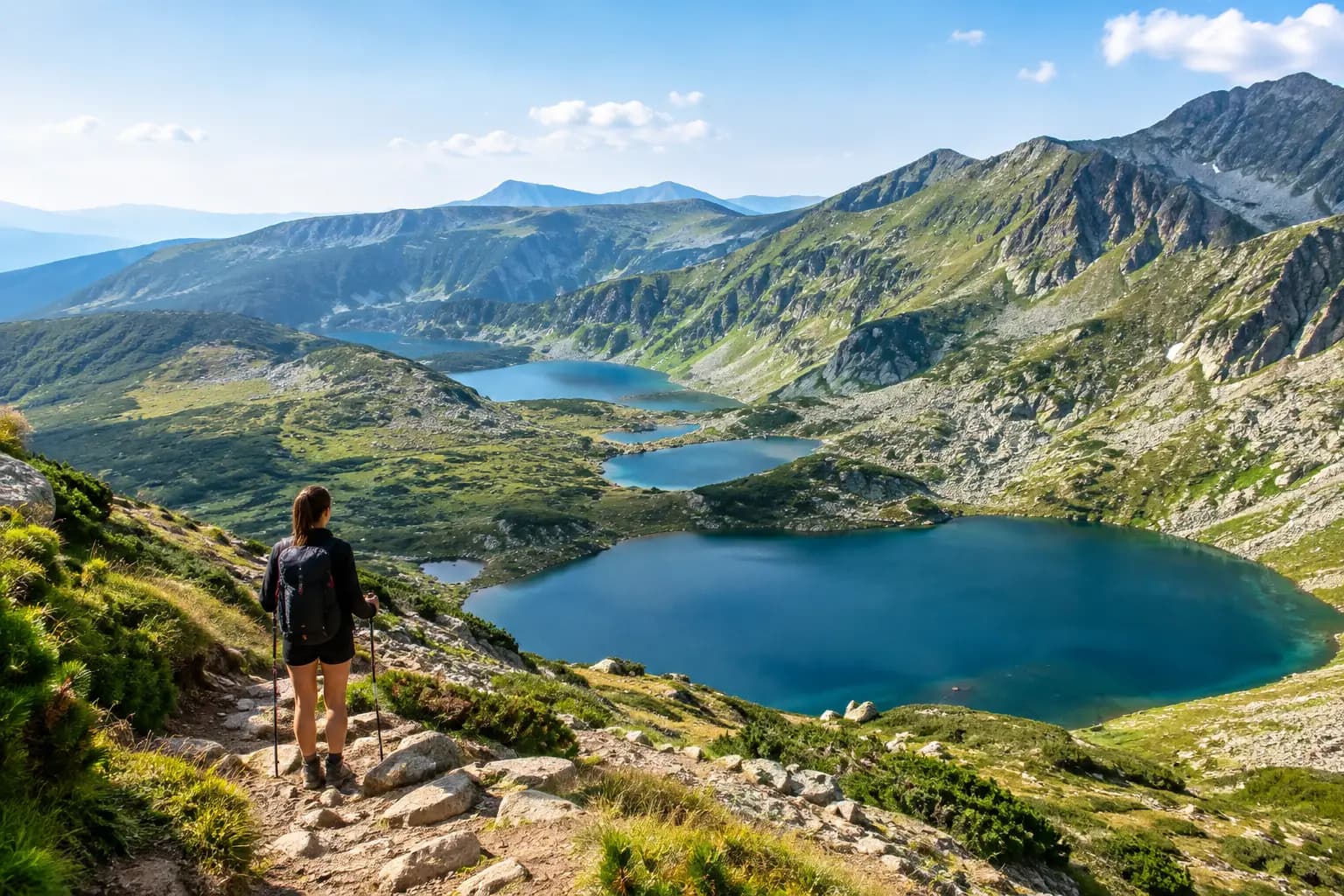
Shoes deserve extra attention. Beach sandals are useful, but they are not enough for uneven old-town streets, waterfalls, trails, or a spontaneous walk to a viewpoint. A supportive sneaker handles most routes. Add lightweight hiking shoes only if hiking is a real part of the itinerary, such as days in the Soča Valley, Mavrovo, or Durmitor-style terrain. Heavy boots are unnecessary for travelers who will mainly be driving between coastal towns and city centers.
The small clothing items people forget
A cap, sunglasses, and high-SPF sunscreen belong in your day bag, not buried in the trunk. So does a compact rain cover or poncho. Bring a modest cover-up or lightweight shirt for visits to religious sites, and a small foldable tote for markets, bakery stops, or wet swimwear.
If your trip includes the coast in high season, a quick-dry towel is more useful than a bulky hotel-style towel. Water shoes are optional, but worth the space if you prefer rocky beaches or plan to spend time in coves where entering the water is not always smooth.
Keep money, power, and connectivity simple
Cards are widely useful, but cash still makes road travel easier. Small cafes, parking lots, market stalls, and rural stops may be simpler with local currency. Carry a modest amount, divided between your wallet and a secure place in your luggage. Do not carry your entire trip budget in one spot.
A travel-friendly card or a card without high foreign transaction fees can reduce small costs across a multi-country route. Still, notify your bank if needed and carry a second card separately. It is an unglamorous precaution that matters when a card is declined at a fuel station late in the evening.
For electronics, pack a universal adapter if you are arriving from the US, plus a multi-port charger so several devices can charge overnight from one outlet. A power bank is particularly useful on long driving days, when navigation, music, translation, and booking confirmations all compete for battery life.
A local SIM or regional eSIM can be convenient, but check coverage and data terms before buying. If you are visiting relatives or staying mostly in towns, Wi-Fi may be enough. If you are taking a flexible route through rural areas, reliable mobile data is worth paying for. Download maps, accommodation addresses, key reservations, and translation languages before you leave your last dependable connection.
Organize a day bag for stops that were not on the plan
The best road-trip moments are often unplanned: a swim before check-in, a roadside grill, a viewpoint above a bay, or an hour in a town you had meant only to pass through. A day bag keeps those stops enjoyable instead of inconvenient.
Keep these items easy to reach:
- Water, snacks, and wipes
- Sunscreen, sunglasses, and a hat
- Swimwear and a quick-dry towel
- A light jacket or rain layer
- Charging cable, power bank, and car documents
- Basic medicine for headaches, allergies, or motion sickness
If you are traveling with children, add a spare change of clothes and a few offline games or downloaded shows. The distance between two points may look short on a map, but narrow coastal roads, scenic stops, and summer traffic can stretch a drive longer than expected.
Make room for the things that make the trip feel local
Packing well also means leaving a little room. You may want to bring home olive oil from the coast, wine from Herzegovina, local sweets, a jar of ajvar, or something your family asks for when they hear you are driving through. A collapsible tote or an extra packing cube prevents those small purchases from becoming a trunk problem.
For diaspora travelers, the car may also carry more than holiday luggage: gifts, items for relatives, or clothes for a family celebration. In that case, be realistic about space from the start. A roof box can help, but it also affects fuel use, parking, and handling. Sometimes the better choice is simply packing lighter for yourself.
Ljetovanje.com travelers often plan trips around both practical needs and familiar places. That is the right instinct. Leave room in the itinerary and in the bag for an extra lunch, a detour, or an invitation that does not appear in any reservation email.
The goal is not to have an item for every possible scenario. It is to carry enough to stay comfortable when the weather turns, the road runs long, or a planned stop becomes the best part of the trip. Pack light enough to move easily, but prepared enough to say yes when the road offers something better.
Ready for your next adventure?
Compare flights, accommodation and activities – ljetovanje.com helps you find the best deals for your perfect holiday.
ljetovanje.com
Travel expert and contributor for Ljetovanje.com