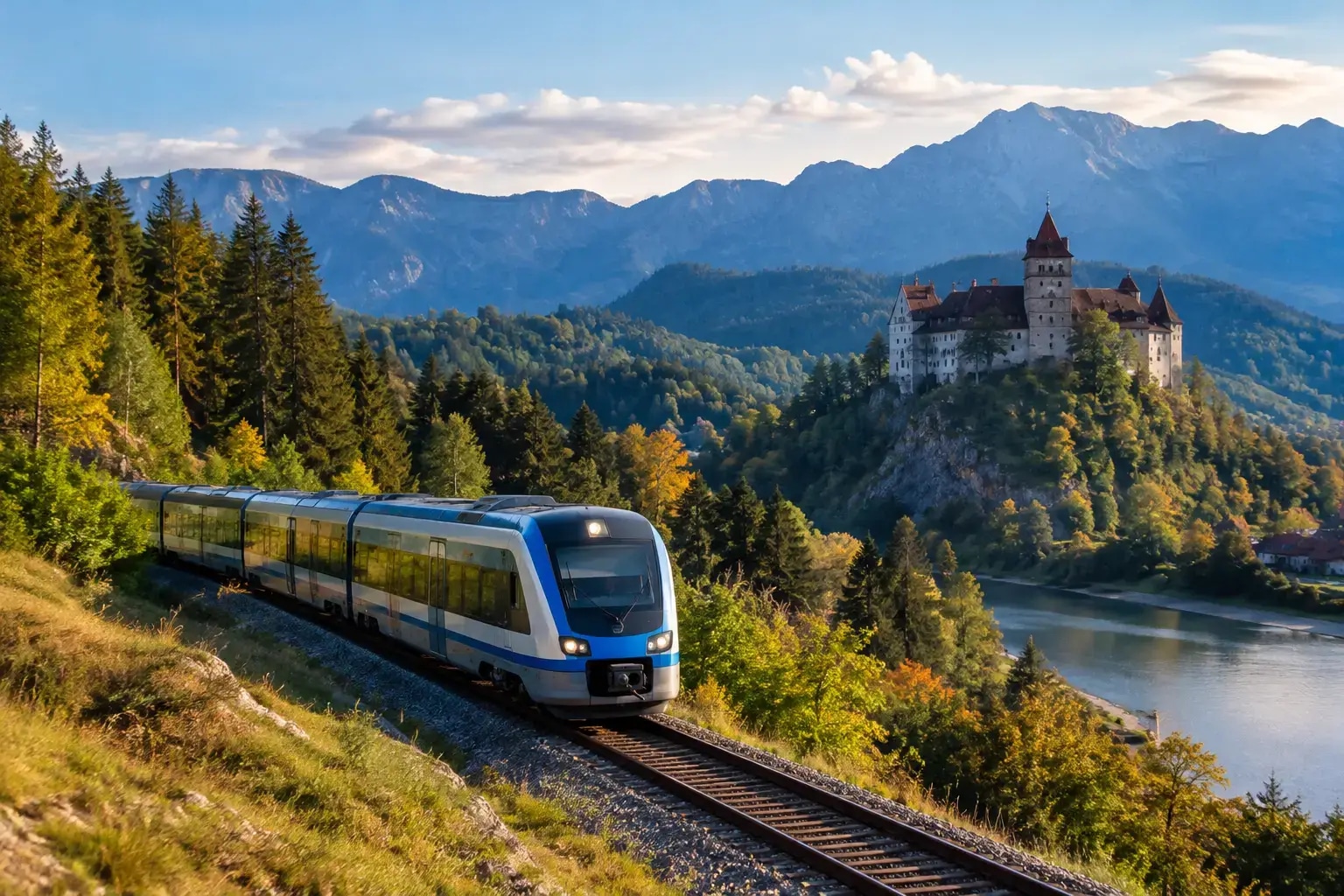
Romania rewards travelers who leave the highway behind. A train window can take you from Bucharest’s broad boulevards into the Carpathian foothills, past village gardens, haystacks, and stations where the pace still feels reassuringly unhurried. This Romania train travel guide is for travelers who want that experience without making the usual mistake: treating rail travel here like a fast, tightly timed Western European network.
The trains are useful, affordable, and often memorable. They are not always quick. Plan around that reality, and rail becomes one of the best ways to connect Bucharest, Brașov, Sinaia, Sibiu, Sighișoara, Cluj-Napoca, and smaller places that are harder to appreciate from an airport transfer.
How train travel in Romania really works
Romania’s rail network is extensive, particularly between major cities and regional centers. The trade-off is uneven speed. A journey that looks modest on a map may take longer than expected because of older infrastructure, stops along the route, and timetable changes. That does not make the train a poor choice. It simply means the train is best for travelers who value the journey, want to avoid driving, or are building an itinerary with one or two-night stays rather than racing through five cities in a week.
For the clearest experience, distinguish between train categories when booking. InterCity services are generally the faster, more comfortable option on key corridors. InterRegio trains are widely useful and can still be comfortable, but they make more stops. Regional services are the slowest and are best reserved for short local hops or places not served by faster trains.
On popular routes, the difference matters. Bucharest to Brașov is one of the country’s most practical rail journeys, with frequent connections and mountain scenery that improves as you leave the capital. Bucharest to Constanța can also work well in the warmer months if you are heading toward the Black Sea coast. Routes toward Sibiu, Cluj-Napoca, or Maramureș are more about accepting the pace and enjoying the distance.
Romania train travel guide: tickets and reservations
Buy tickets as early as you can once your dates are fixed, especially for Friday afternoons, Sunday returns, public holidays, and summer weekends. Seat reservations are often included or available with the ticket on longer-distance services, and they are worth having. A reserved seat removes one small uncertainty from a travel day that may already involve luggage, unfamiliar platforms, and a late check-in.
Online booking is convenient, but it is wise to save a screenshot or PDF of your ticket before reaching the station. Signal can be unreliable on parts of a long route, and not every traveler wants to troubleshoot an app while a conductor is approaching. Keep your passport or ID accessible as well, since tickets may be checked during the journey.
For families, reserve seats together rather than relying on availability after boarding. For couples or solo travelers, a window seat is worthwhile on daylight routes through the mountains. If the booking system offers first class at a modest difference, it can be a sensible upgrade on a long trip, though standards vary by train. Think of it as extra space and a quieter carriage, not a luxury rail experience.
Do not assume every station has a large ticket office or staff who are comfortable speaking English. In bigger cities this is rarely a problem; in smaller towns, preparation helps. Arrive with your ticket already sorted when possible.
The routes that make the most sense by rail
Bucharest to Sinaia and Brașov
This is the route to prioritize if you are fitting Romanian train travel into a shorter trip. Sinaia is a convenient stop for Peleș Castle and a night in the mountains, while Brașov works as a base for the old town, hiking, and day trips around Transylvania. The line climbs through the Prahova Valley, so travel during daylight if you can.
A common mistake is trying to do Bucharest, Sinaia, Bran, and Brașov as one rushed day. It is possible only with careful timing and a willingness to spend more time transferring than exploring. Stay in Brașov or Sinaia instead. The region is better when you have time for an unhurried dinner and an early start.
Brașov to Sighișoara and Cluj-Napoca
This route suits travelers who want the classic Transylvanian sequence without renting a car immediately. Sighișoara is compact enough for an overnight stop, and its historic center is especially pleasant after day visitors leave. Cluj-Napoca is a bigger city with a different rhythm: cafes, restaurants, and a strong base for northern Romania.
The limitation is frequency and journey length. Check the exact departure times before committing to a same-day connection. A train itinerary works best here when each stop earns at least one night.
Bucharest to Constanța
For a summer extension, the rail connection to Constanța is more straightforward than many inland routes. It can be a practical way to combine a city break with the Romanian Black Sea coast, particularly if you prefer not to drive after a flight. Book early in peak season, when weekend demand rises sharply.
Overnight trains for longer distances
Night trains can be useful for routes that would otherwise consume most of a day. They make the most sense when they save you a hotel night and deliver you somewhere usable in the morning. They make less sense if you need a perfect night’s sleep before a demanding day of sightseeing.
If you choose a sleeper or couchette, book the most private option your budget allows. Bring water, a light layer for the temperature, earplugs, and a power bank. Keep valuables close rather than leaving them on an open seat or luggage rack. This is standard good practice anywhere, but it matters more when you are asleep.
Stations, timing, and the small details that matter
Bucharest’s Gara de Nord is the main rail hub and can feel busy rather than confusing once you know the basics. Check the departure board for the train number and platform, not only the destination. Some trains split, change platforms, or have similar names on the board. Give yourself at least 25 to 30 minutes before a long-distance departure, especially if you need to find food, use an ATM, or locate your carriage.
In smaller stations, services are limited. Carry snacks and water for longer journeys. Station cafes may be perfectly adequate, but they are not something to build a tight meal plan around. A bakery stop before boarding is often the safer move.
Build margin into every connection. Fifteen minutes can work when everything runs on time, but 30 to 45 minutes is more comfortable if you are changing trains with bags or traveling with children. If you have a flight, international bus, or nonrefundable tour afterward, consider arriving in that city the night before. This is the practical choice, not the overly cautious one.
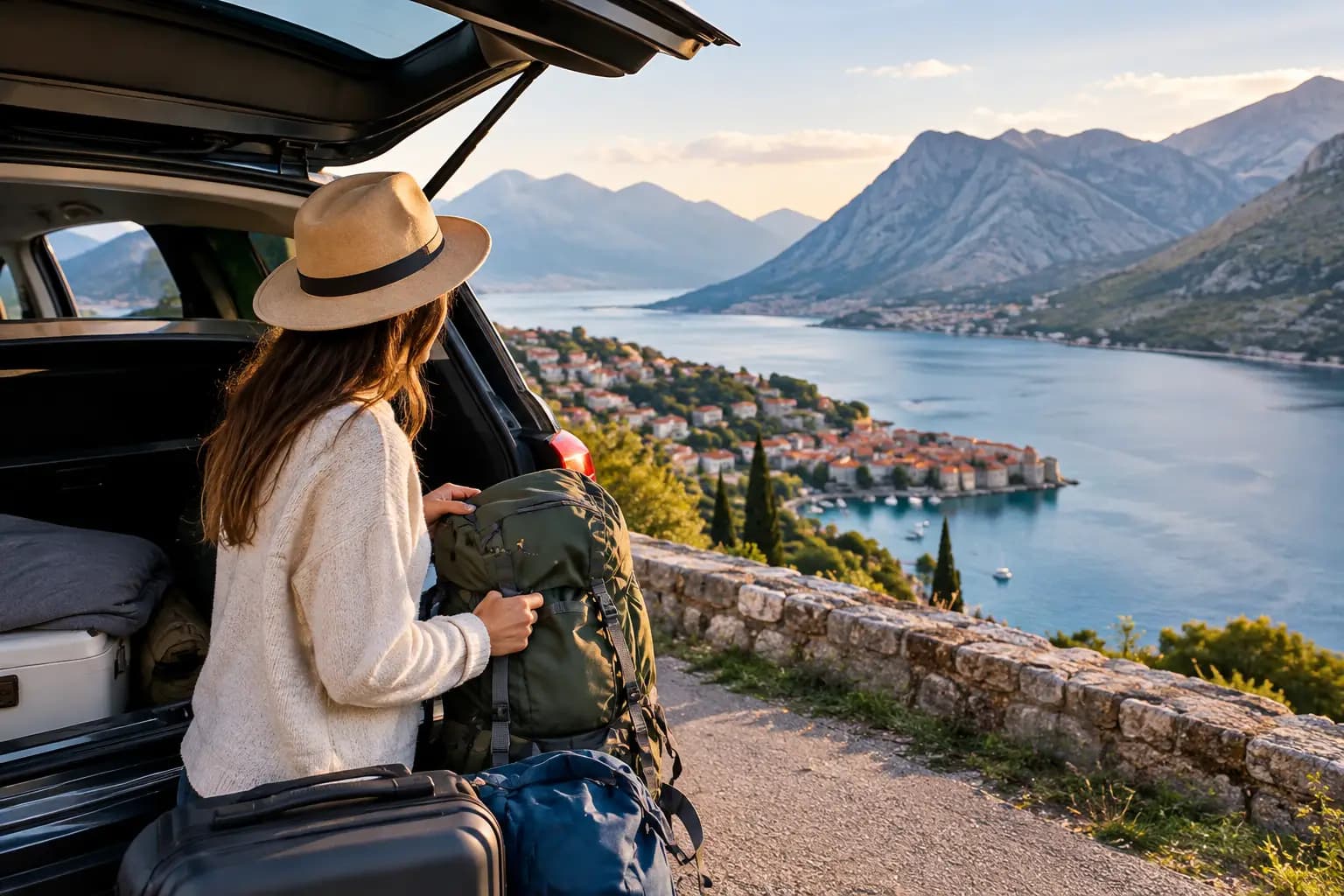
Luggage is usually manageable, but platforms may involve stairs, uneven surfaces, or a longer walk than expected. Travelers used to rolling a large suitcase straight from airport terminal to hotel should pack with a little more restraint. A medium suitcase or backpack is easier on multi-stop rail itineraries.
When a rental car is better
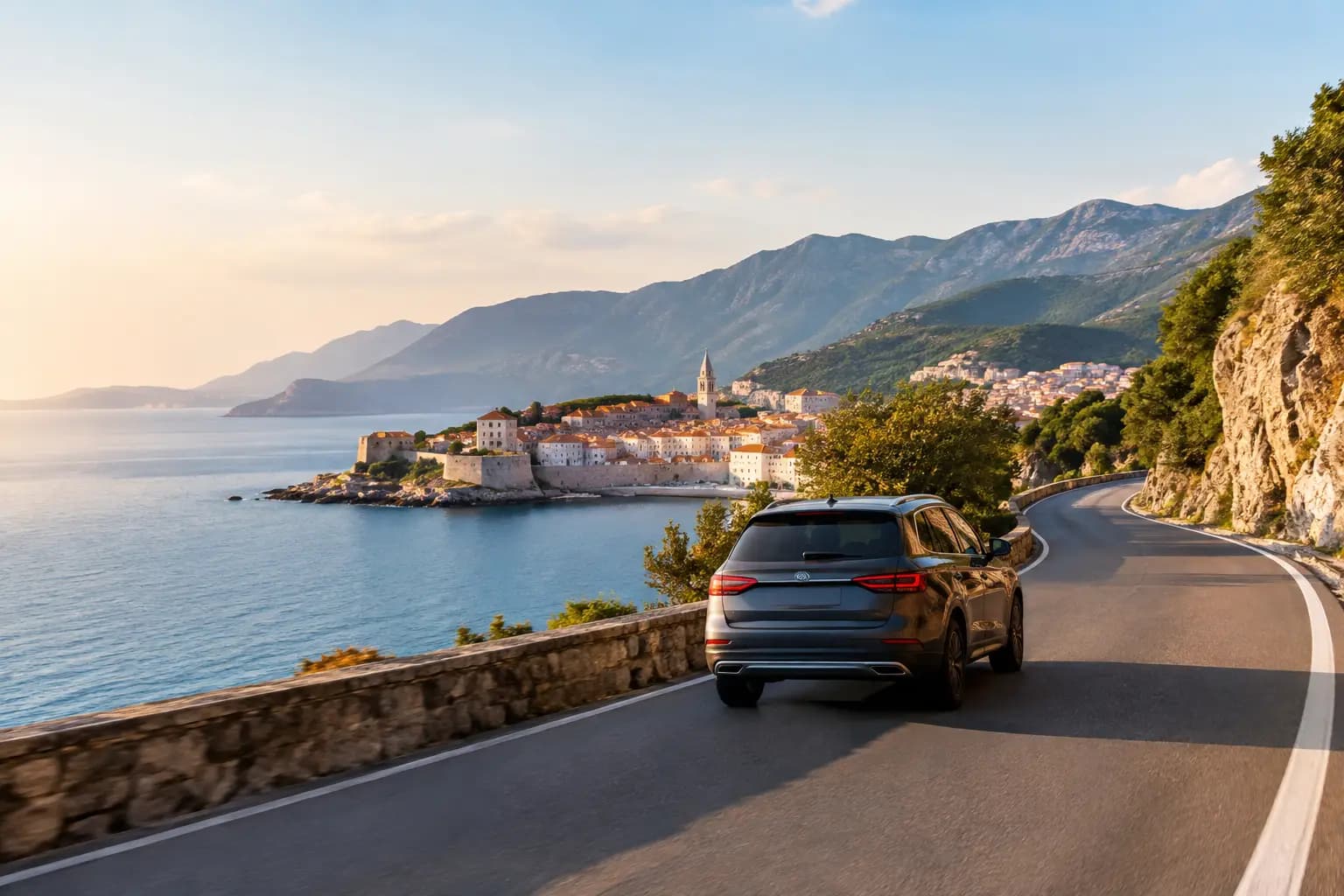
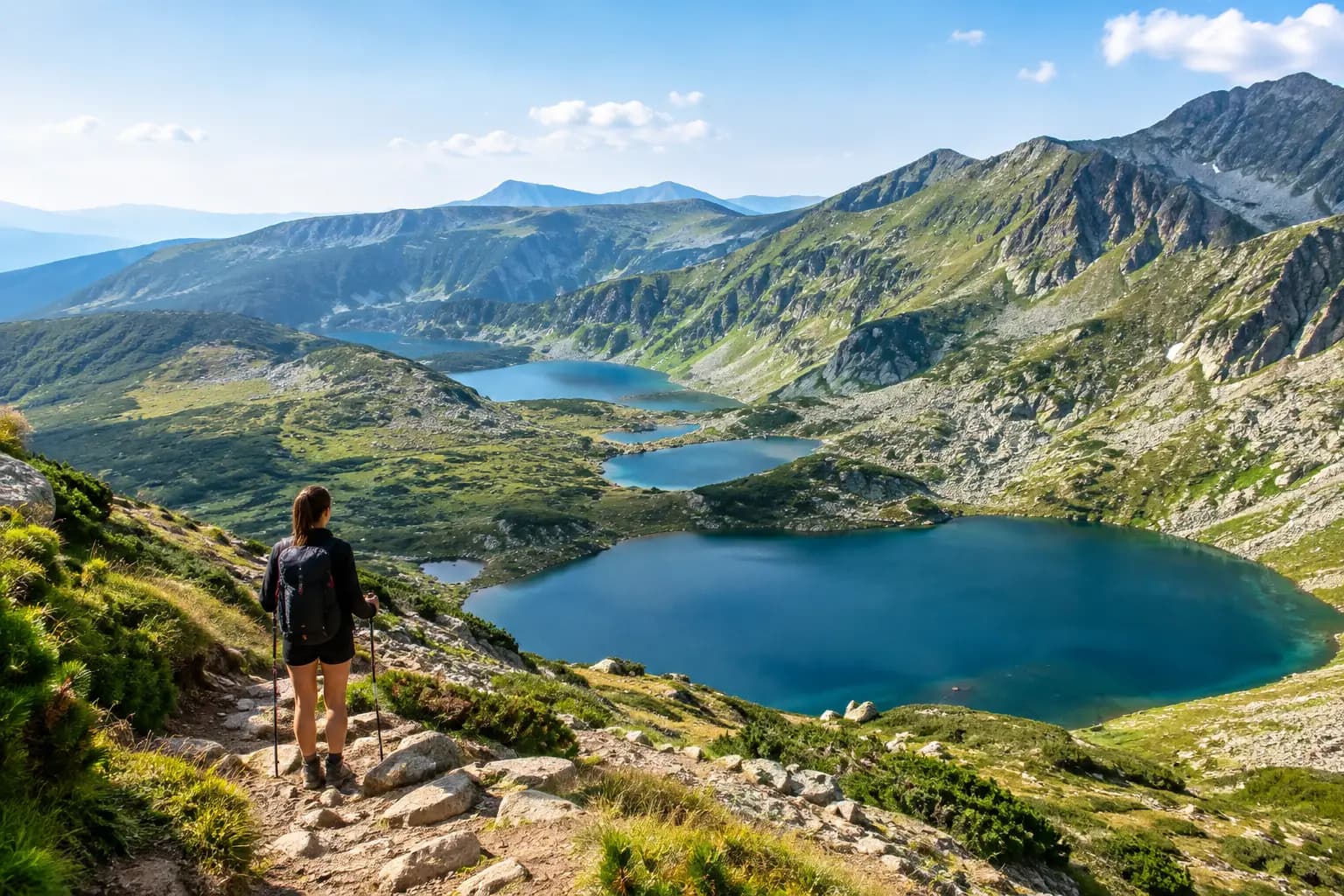
Trains are not the right answer for every Romanian itinerary. Rent a car if you want to reach rural Maramureș, the painted monasteries of Bucovina, remote hiking trailheads, or several villages in one day. The same applies if you are traveling as a family of four and want the freedom to stop whenever you see a roadside farm stand or a mountain viewpoint.
A mixed approach is often best. Use the train for Bucharest to Brașov or other major city-to-city legs, then rent a car locally for the countryside. That avoids city driving and parking while preserving access to the places where public transport is less practical.
A better way to plan your rail itinerary
Start with the number of nights you actually have, then choose fewer bases. For a first trip, Bucharest, Brașov, and either Sighișoara or Sibiu is a more satisfying route than trying to collect every famous town. Add Cluj-Napoca only if you have enough time to let the journey be part of the trip.
Check train times before booking hotels, not afterward. A charming guesthouse outside the station area may be ideal for a two-night stay, but inconvenient for an early departure. In larger cities, staying near the historic center is usually worth the short taxi ride to the station. In one-night transit stops, proximity can matter more.
Romania by train asks for a little patience, but it gives something back: time to see the country between destinations rather than merely arriving at them. Keep your itinerary light, leave room for delays, and let the landscape do some of the work. Your vacation, simply planned, can still feel like an adventure.
Ready for your next adventure?
Compare flights, accommodation and activities – ljetovanje.com helps you find the best deals for your perfect holiday.
ljetovanje.com
Travel expert and contributor for Ljetovanje.com