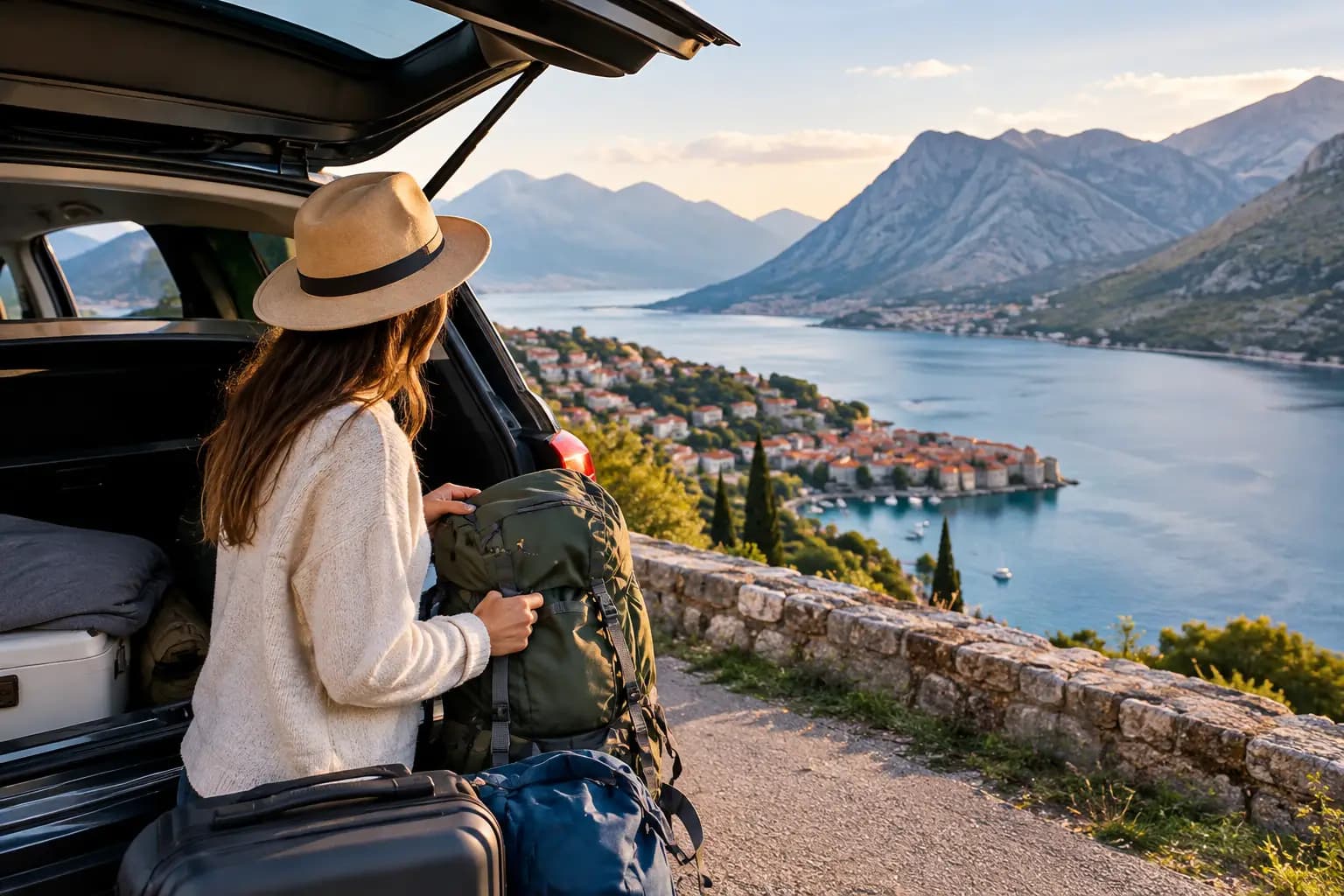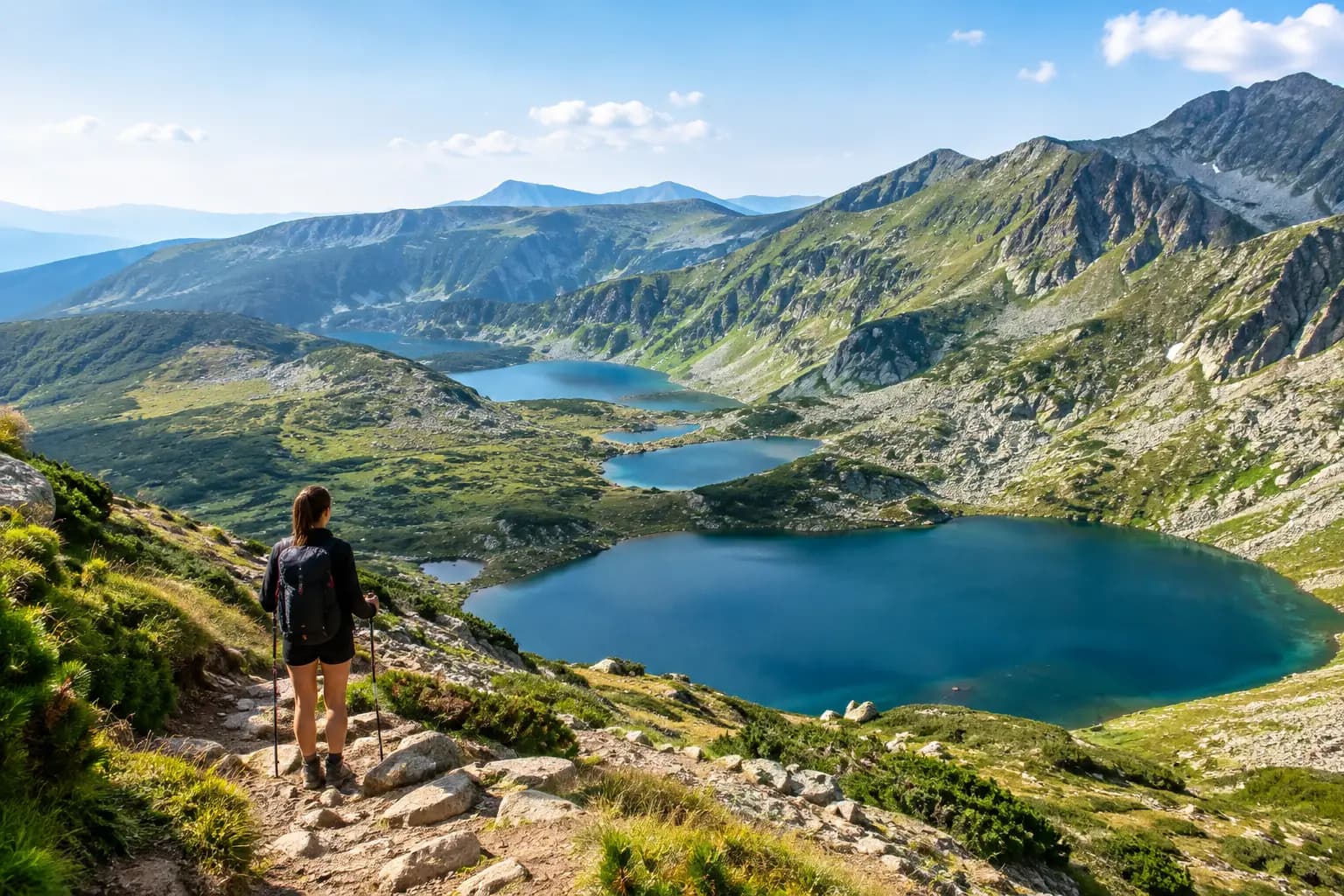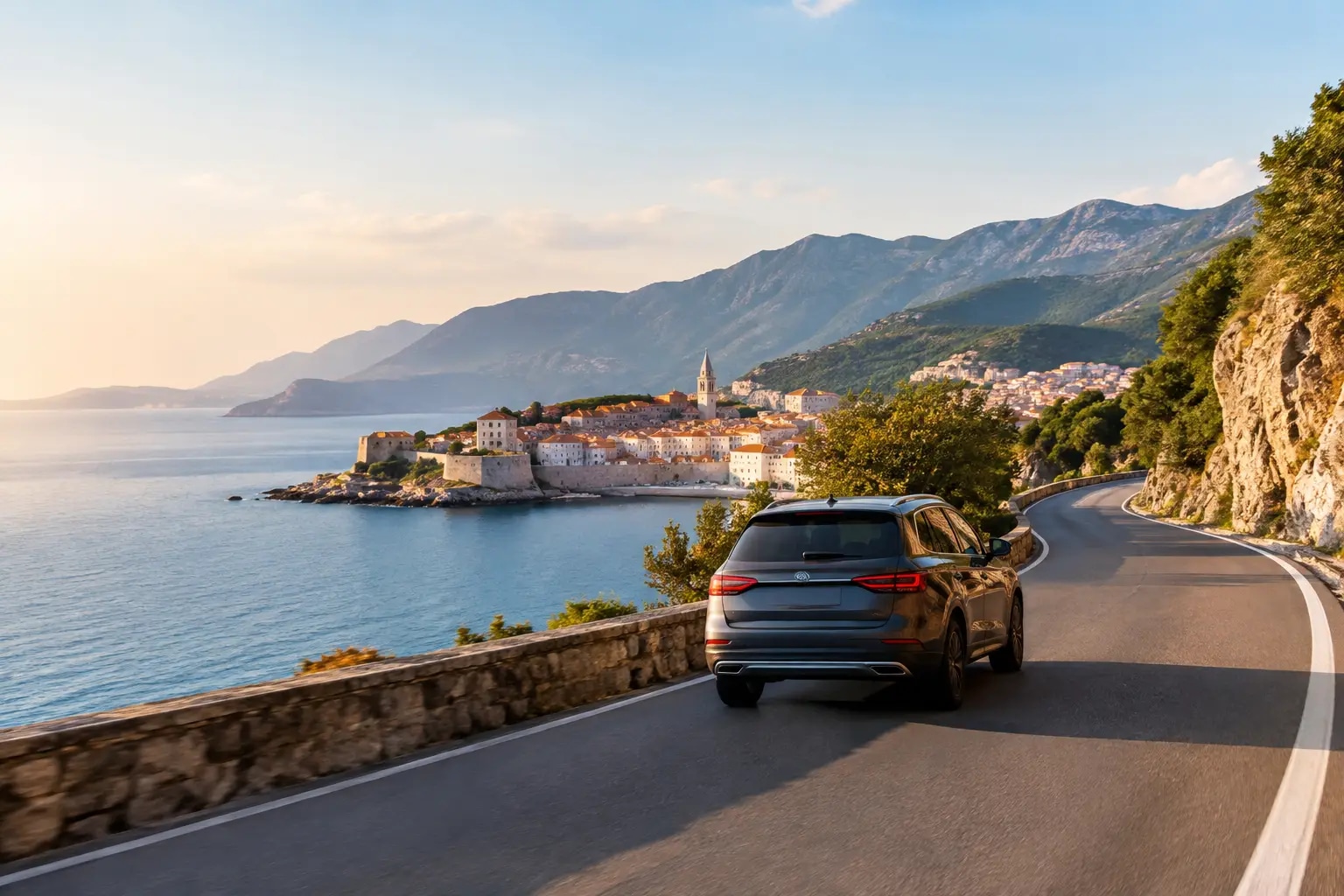
A drive from the coast to the mountains can look short on a map and still take most of the day. That is the first rule of how to drive Balkan roads: plan around the road itself, not just the mileage. A 90-mile route may include hairpin bends, village traffic, a slow border crossing, or a stretch where overtaking is simply not worth attempting.
For travelers arriving from the US or diaspora visitors used to Western European highways, the region can feel familiar and unpredictable at once. Main roads are generally good, especially around larger cities and popular coastal routes, but conditions change quickly after you leave them. The reward is that driving remains one of the best ways to reach quiet bays, family apartments, mountain villages, wineries, national parks, and the places that do not appear on a standard package itinerary.
How to Drive Balkan Roads: Think in Travel Time, Not Distance
Navigation apps are useful, but their arrival estimates should be treated as optimistic when your route includes mountains, coastlines, or local roads. Add time for fuel stops, roadwork, summer traffic, weather, and the occasional slow-moving truck or bus that cannot be passed safely.
On a highway, progress can be straightforward. On the Adriatic coast, however, a road can run through one town after another, with crosswalks, parked cars, scooters, and pedestrians heading to the beach. In inland Bosnia and Herzegovina, Montenegro, North Macedonia, Albania, or Romania, a route may rise and fall through valleys where the road is narrow but perfectly usable if you are patient.
A sensible rule is to avoid building your itinerary around a late-afternoon arrival after a long drive. If you have accommodation check-in, a ferry, or a dinner reservation, leave a proper buffer. This matters most in July and August, when one stalled vehicle or a busy toll plaza can affect the whole corridor.
Choose daylight for unfamiliar mountain routes
Mountain driving is not difficult by default, but it asks more of the driver. Curves come one after another, guardrails are not always continuous, and road markings can fade on secondary roads. In rain, fog, or darkness, the same route becomes tiring quickly.
If you are picking up a rental car, aim to complete your first unfamiliar mountain section in daylight. This is particularly worthwhile on routes toward Montenegro's highlands, Albania's inland areas, or national parks across the region. Save the scenic detour for a morning when you are rested, not the final hour before check-in.
Tolls, Vignettes, and Payment: Check Before You Roll
Road charging is not standardized across the Balkans. Some countries use toll booths, some require a vignette, and some routes have both road charges and separate tunnel, bridge, or ferry costs. Do not assume a rental car includes everything just because it has a local license plate.
Before departure, confirm the rules for every country on your route and ask the rental company whether a vignette is already valid for the car. Keep your rental agreement, passport, driver's license, and payment card within reach rather than packed under luggage. At toll booths, card payment is increasingly common, but carrying some local cash is still practical for small parking lots, rural stops, or an occasional machine that does not cooperate.
If you cross from one country to another, make sure the rental company has approved the trip in writing and that the vehicle paperwork is valid for all planned countries. A low daily rental rate stops being a bargain if cross-border permission is missing.
Do not rely on one payment method
A card is useful, but it should not be your only option. Keep a modest amount of cash in the relevant currency for parking, local bakeries, beach access roads, and villages where contactless payment is less dependable. Avoid leaving a wallet or documents visible in the car, even during a quick photo stop.
Drive Defensively, Not Nervously
Local driving styles vary by country, city, and road type, so broad stereotypes are not helpful. What is consistent is that you will see a wide mix of vehicles sharing the same road: new SUVs, older cars, buses, delivery vans, tractors, cyclists, and pedestrians. Your job is not to match the fastest driver. It is to stay predictable.
Keep a safe following distance, especially downhill and in wet conditions. Use headlights whenever required or sensible, respect speed limits through towns, and do not let a driver behind you pressure you into an unsafe pass. On narrow roads, pull over at a suitable widening if you are holding up traffic, but never stop in a blind curve just to be polite.
Overtaking deserves particular discipline. A straight section can look longer than it is, while a hill or bend may hide an approaching vehicle. If you hesitate, stay behind. You will lose a minute, not your vacation.
Watch the road surface after weather changes
After heavy rain, expect puddles, loose gravel, and occasional debris on lesser-used roads. In coastal areas, the surface can become slippery when rain mixes with summer dust. In mountainous areas, temperatures can drop sharply after sunset, even outside winter.
Between roughly November and March, winter tires and other seasonal equipment may be required depending on the country and conditions. If your itinerary includes ski areas, high passes, or mountain accommodation, ask your rental provider exactly what the car carries and what you are expected to carry. Do not assume all-season tires are enough for every route.
Cities, Old Towns, and Parking Require a Different Plan
Driving between destinations is often easier than parking once you arrive. Historic centers were not designed for modern traffic, and many coastal towns become crowded long before noon in peak season. In Dubrovnik, Split, Kotor, Mostar, Ohrid, or Sarajevo, the smart move is usually to identify your parking before you enter the busiest streets.
Ask your host whether there is reserved parking, whether access is restricted, and whether the route to the property includes narrow lanes. A private apartment listed as "near the old town" can be excellent for walking and awkward for unloading suitcases. This is not a reason to avoid it. It is a reason to arrive before the evening rush and know where you will leave the car.
Paid garages can be more expensive than an outer parking lot, but they often save time and stress during a short stay. For a beach day, do the same calculation: a cheaper lot far away is not always a bargain when you are carrying umbrellas, bags, and a tired child uphill at 4 p.m.
Fuel Up Before You Need It
Fuel stations are easy to find on major routes and near cities, but do not wait for the low-fuel warning if you are heading into a national park, across a mountain range, or onto an island. Fill up before the scenic section begins.
Check what fuel your rental needs before leaving the lot. If an attendant helps at a station, state the fuel type clearly and verify the pump before payment. Keep receipts until the rental is returned, especially if your agreement asks for a full tank.
For electric vehicles, route planning needs more attention than for gasoline or diesel cars. Chargers are expanding, but availability and reliability are uneven outside larger cities and key corridors. An EV can work well for a planned route with overnight charging. It is less ideal for a spontaneous mountain loop with no backup option.
Make Room for the Unexpected
The best Balkan road trips leave space for the things that do not fit neatly into an itinerary: a roadside grill where the parking lot is full of locals, a viewpoint above the coast, a market in a small town, or a swim stop that turns into an entire afternoon.
That does not mean driving without a plan. It means choosing fewer bases, avoiding overly ambitious day trips, and treating a two-hour delay as part of the route rather than a disaster. Ljetovanje.com travelers often balance family visits with a few days by the sea or in the mountains, and that is exactly where a car earns its value - provided the schedule is realistic.
Before each longer drive, check the weather, fuel level, parking plan, road charges, and the last practical stop before your destination. Then take the route at the pace it asks for. The roads are often the part of the trip that reveals the most, as long as you are not rushing past them.
Ready for your next adventure?
Compare flights, accommodation and activities – ljetovanje.com helps you find the best deals for your perfect holiday.
ljetovanje.com
Travel expert and contributor for Ljetovanje.com