Romania rewards travelers who leave room for contrast. You can have coffee in Bucharest’s busy old center, sleep beneath the Carpathians the next night, and eat a home-cooked meal in a village where the pace has barely changed. This Romania travel guide is for travelers who want the scenery and history, but also need the practical answers: where to start, how long to stay, when to drive, and which stops are actually worth the detour.
For visitors coming from the US or from diaspora communities in Western Europe, Romania works especially well as a one- to two-week trip. It is affordable by European standards, rich in character, and large enough that a rushed itinerary can become tiring. The key is to choose one strong route instead of trying to collect every famous name.
Romania Travel Guide: Choose a Route, Not a Checklist
Romania is bigger than it looks on a map. Mountain roads, village traffic, and winding routes can turn a modest distance into a full day of travel. A good first trip usually starts in Bucharest and focuses on either Transylvania and the Carpathians, or the Danube Delta and Black Sea coast. Trying to combine both in seven days means spending too much time in the car.
For a classic first visit, fly into Bucharest, spend one or two nights there, then head north toward Sinaia, Brasov, Sighisoara, Sibiu, and Cluj-Napoca. This route gives you grand buildings, mountain views, fortified towns, and plenty of accommodation choices without constant backtracking.
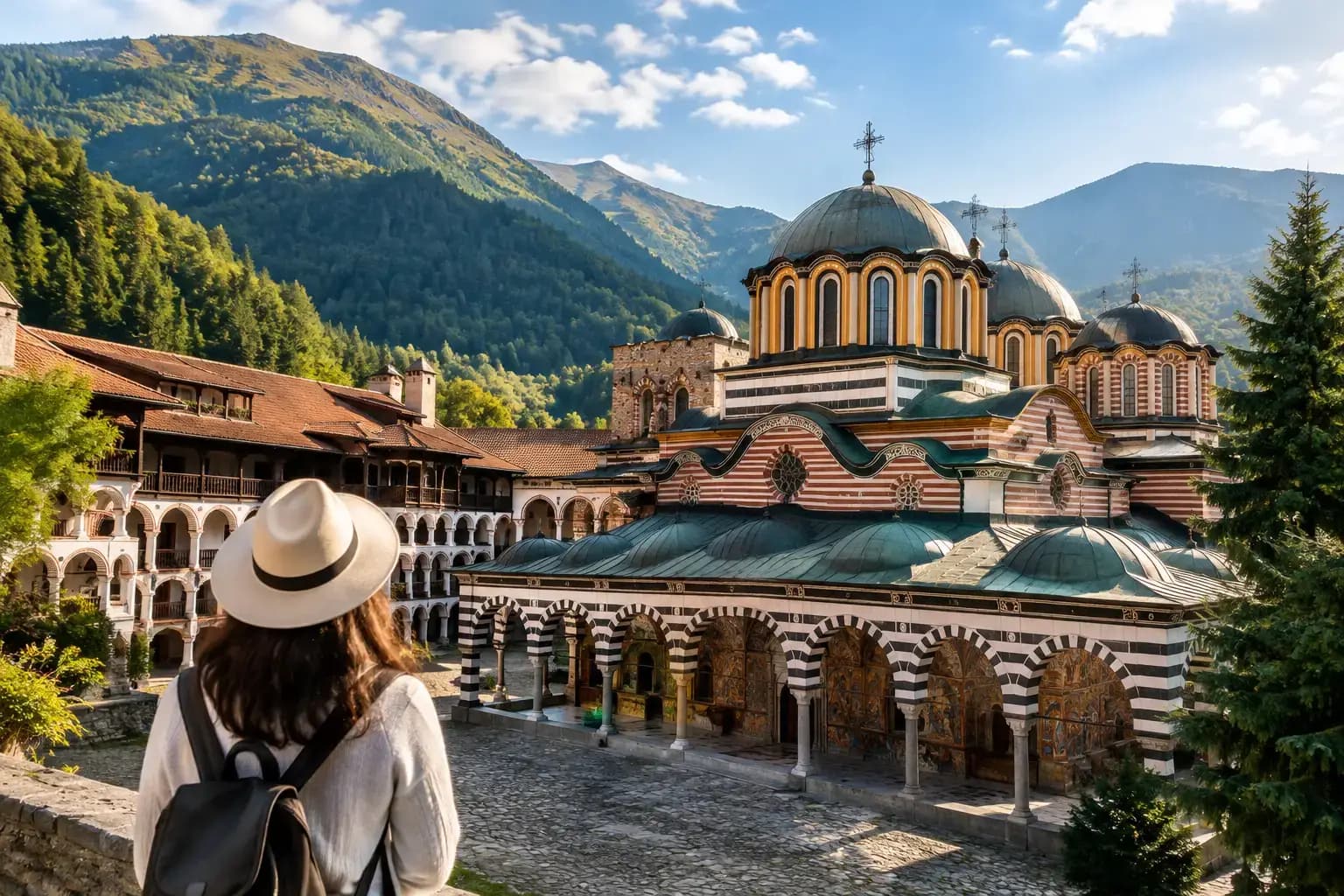
If you prefer quieter landscapes over city breaks, build the trip around Maramures, Bucovina, or the Danube Delta. These areas take more planning and more driving, but they offer the Romania many visitors remember most: wooden gates, hay fields, traditional guesthouses, monasteries, and long meals made with local ingredients. They suit travelers who are comfortable slowing down and do not need a major attraction every afternoon.
Bucharest: Useful, Lively, and Worth Two Nights
Bucharest is often treated as a stopover, which is a mistake. It may not have the immediate medieval appeal of Transylvania, but it is the easiest place to understand modern Romania. The city mixes Belle Époque facades, wide boulevards, communist-era scale, small wine bars, parks, and neighborhoods where dinner can last longer than planned.
Two nights is enough for most first-time visitors. Stay centrally if you want to walk to restaurants and sights, but expect noise around the Old Town, especially on weekends. Families and lighter sleepers may prefer a quieter neighborhood near a park or a short ride from the center.
Bucharest is also the most practical arrival point because it has the broadest flight options. From there, rental cars and rail connections are straightforward, although trains are better for a few city-to-city journeys than for a tightly scheduled countryside itinerary.
Transylvania: Go Beyond Bran Castle
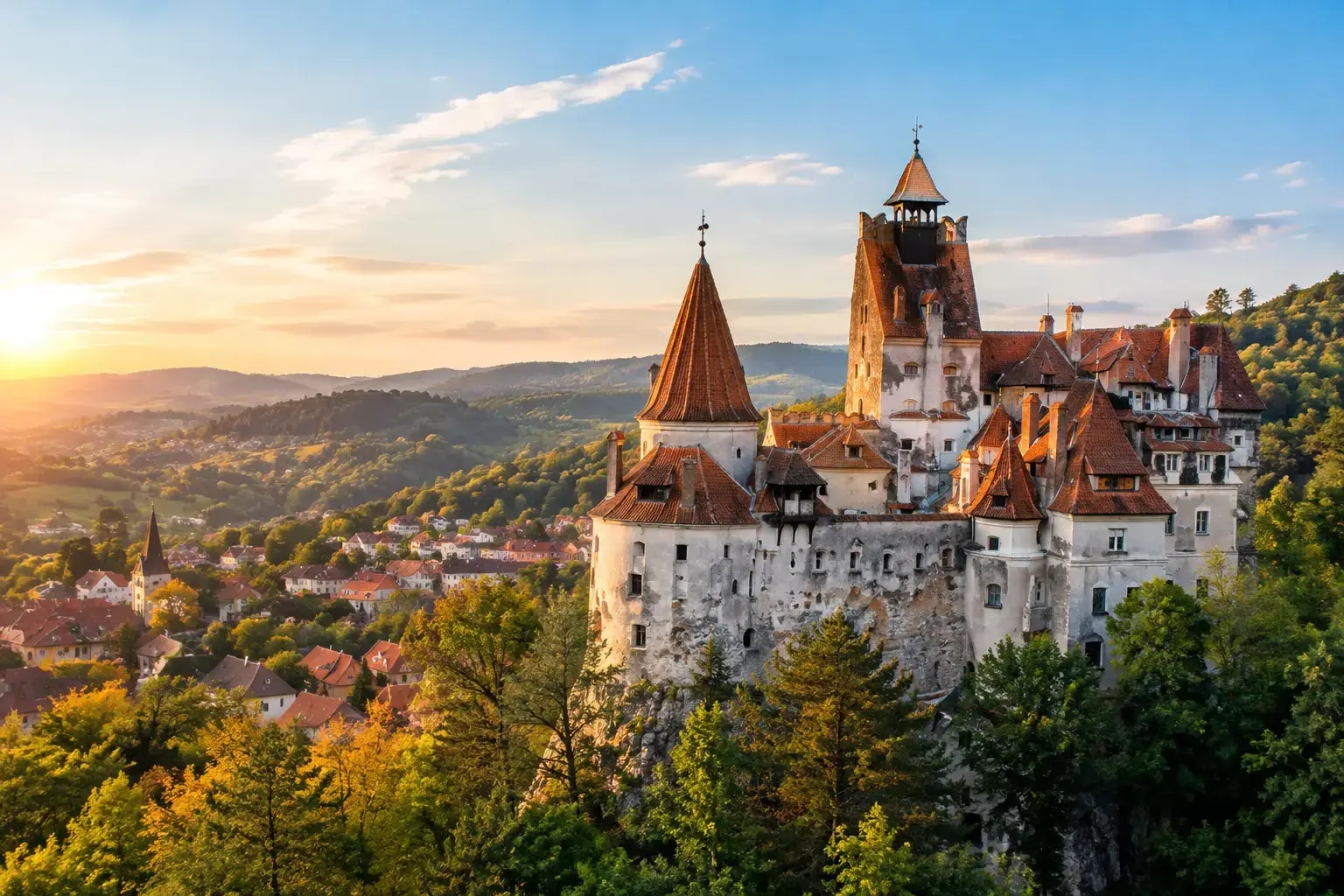
Bran Castle is famous, easy to reach from Brasov, and often crowded. It can be a worthwhile stop if you are curious, traveling with children, or simply want to see it for yourself. But it should not dominate your Transylvania plan. The stronger experience is found in the region’s towns, mountain roads, and Saxon villages.
Brasov is a practical base with a handsome old center, restaurants, and access to nearby mountain areas. Sinaia, farther south, is a good stop for Peles Castle and a cooler mountain atmosphere. Sibiu feels more polished and compact, while Sighisoara is best enjoyed early in the morning or after day-trippers leave.
Give each of these places a real overnight rather than treating them as quick photo stops. Romania’s appeal often appears after the main square: in a bakery opening at dawn, a local market, a slow dinner, or a road that leads through villages rather than around them.
Getting Around Romania Without Losing a Day
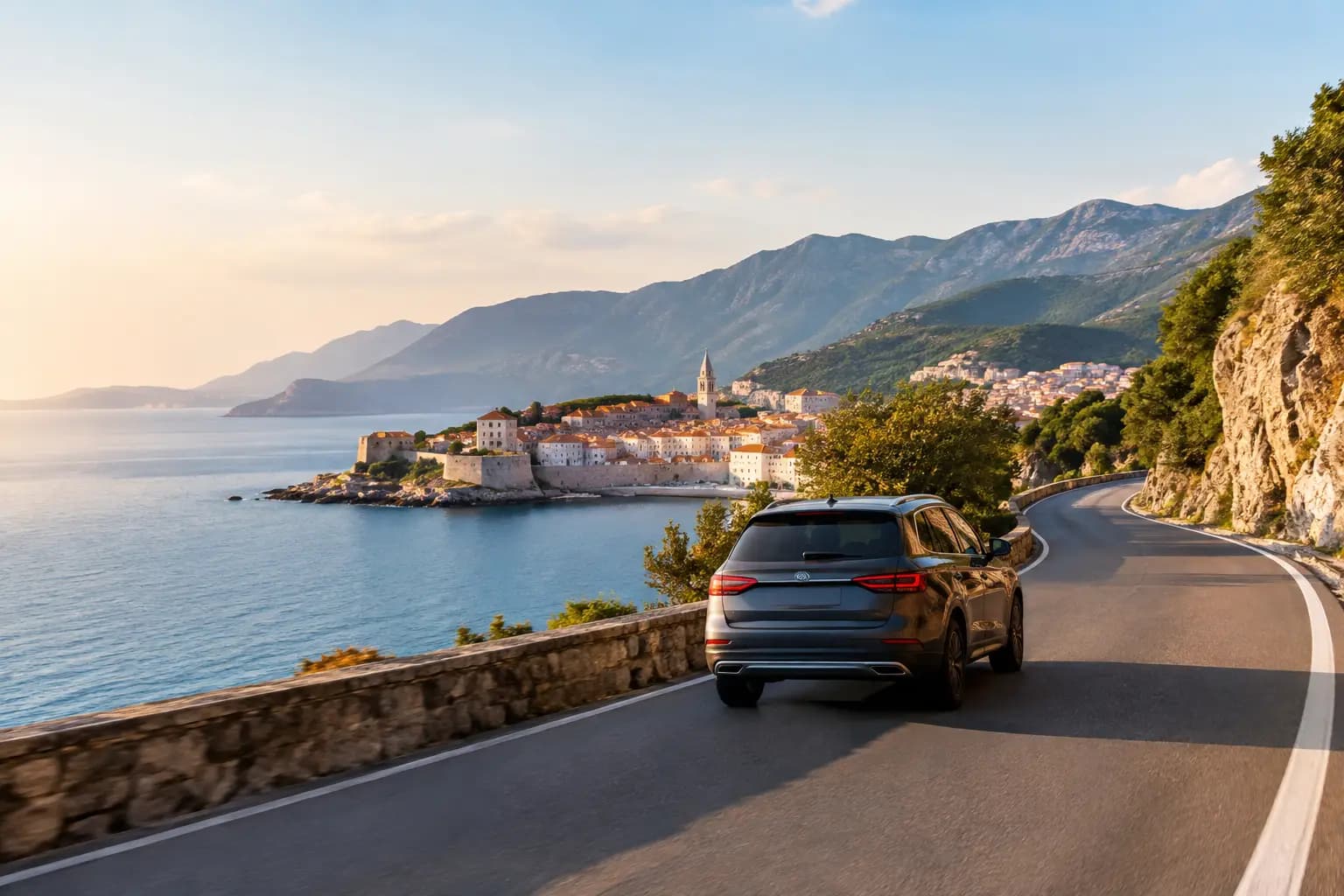
A rental car gives you the most freedom, particularly for Transylvania, Maramures, Bucovina, and mountain regions. It is the right choice if you want rural stays, trail access, or the ability to stop whenever a landscape catches your attention. Book a vehicle large enough for luggage but small enough for narrow town streets and village lanes.
Driving is generally manageable, but do not estimate travel times by highway expectations. Some sections are fast, while others pass through busy settlements with frequent speed changes. Plan fewer driving hours than you think you can handle, especially after an overnight flight.
Trains make sense between Bucharest, Brasov, Sibiu, Cluj-Napoca, and Timisoara if you prefer not to drive. They can be scenic and inexpensive, but delays and slower connections are part of the trade-off. For travelers used to tightly timed US road trips, flexibility matters more here than squeezing in one additional town.
Domestic flights can save time for longer distances, but they rarely replace the experience of a road journey through central Romania. Use them when your schedule is short, not because every route needs to be optimized.
When to Go: The Season Changes the Trip
Late May through June and September through early October are the best periods for most travelers. Days are comfortable, cities are active, mountain scenery is green or golden, and accommodation is easier to find than during the busiest summer weeks.
July and August are ideal for highland escapes, hiking, and festival energy, but Bucharest can be hot and popular mountain roads become busier. This is also when apartment and guesthouse availability tightens in the most visited areas. If you are traveling as a family, reserve rural stays earlier than you would for a city hotel.
Winter has a different appeal. Bucharest, Brasov, Sibiu, and mountain resorts can work well for Christmas markets, skiing, and a short cold-weather break. Road conditions in mountain areas demand more caution, and some remote attractions are less accessible. Winter is better for a focused itinerary than for an ambitious cross-country drive.
The Transfagarasan Road deserves a special mention. It is spectacular when open, but it is seasonal and should never be treated as a guaranteed passage. Snow can close high sections for much of the year. Check current conditions before building an entire trip around it, and keep an alternate route in mind.
Where to Stay: Cities for Convenience, Villages for Memory
Romania offers good value across hotels, apartments, and family-run guesthouses. In Bucharest, Brasov, Sibiu, and Cluj-Napoca, a central hotel or apartment reduces transport time and makes evenings easier. Choose based on location and parking availability rather than chasing the lowest nightly rate on the edge of town.
In rural areas, guesthouses are often the better choice. A stay near Viscri, in Maramures, or around Bucovina can include breakfast, local advice, and a more direct connection to the region than a standard hotel. The trade-off is that English may be less common and card payments are not always as convenient in smaller villages, so carrying some local currency is sensible.
For couples, smaller towns and countryside stays create the most atmosphere. For families, Brasov and Sibiu are easier bases because restaurants, stores, and flexible accommodation are close by. If you are meeting relatives or combining the trip with personal visits, keep the sightseeing portion lighter. Romania’s roads can make an overplanned schedule feel like work.
Food, Costs, and Small Practical Details
Romanian food is generous, seasonal, and more varied than the usual grill-and-stew stereotypes suggest. Look for soups, local cheeses, grilled meats, pastries, fresh vegetables in summer, and regional dishes served in family-run restaurants. In Transylvania, Hungarian and German influences are noticeable; in the south and east, you will find different flavors and a stronger Black Sea and Danube influence.
Prices remain attractive compared with many Western European destinations, particularly outside central Bucharest and the best-known tourist areas. Still, costs depend on your travel style. Boutique hotels, private drivers, and peak-season mountain stays can add up quickly, while local restaurants, trains, and guesthouses keep a trip reasonably priced.
Card payment is common in cities, but cash is useful for markets, small cafés, tips, and rural stops. Download offline maps before driving through mountain areas. Also, build in time for meals. A long lunch or dinner is not a delay in the itinerary - it is often where the destination feels most real.
A well-planned Romania trip does not need to be packed. Pick a route with space between stops, book the first and last nights with confidence, and leave at least one day open for a village, a mountain view, or a restaurant recommendation that does not appear in the guidebook.
Ready for your next adventure?
Compare flights, accommodation and activities – ljetovanje.com helps you find the best deals for your perfect holiday.
ljetovanje.com
Travel expert and contributor for Ljetovanje.com