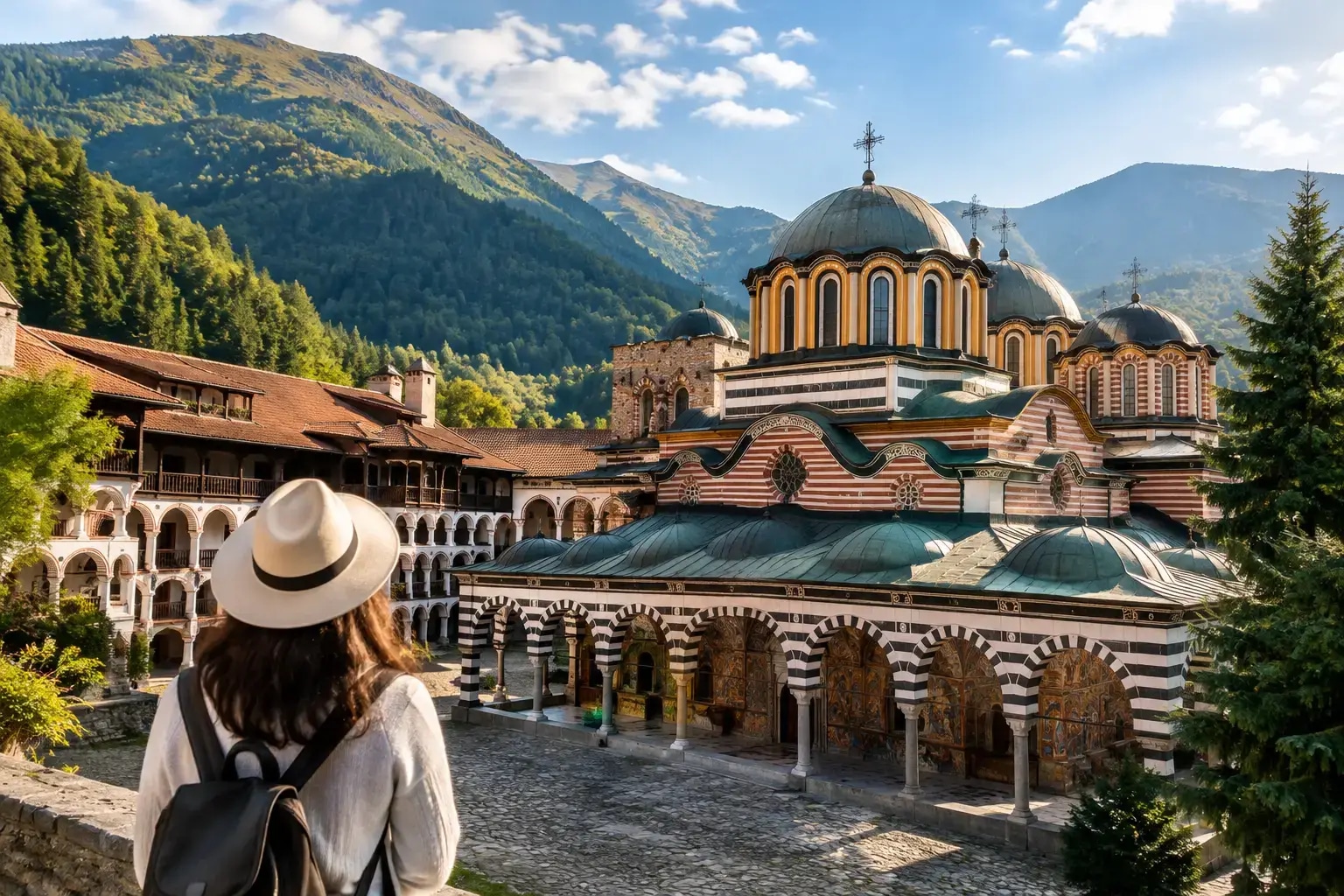
The moment you step into Rila Monastery’s central courtyard, Sofia feels far away. Dark timber galleries rise around you, striped arches frame the church, and the mountain air changes the pace of the day. A Rila Monastery day trip is one of Bulgaria’s most worthwhile excursions, but it works best when you treat it as more than a quick photo stop.
For travelers based in Sofia, this is a practical full-day escape into the Rila Mountains. It suits couples, families, solo travelers, and diaspora visitors who want one meaningful cultural stop without reorganizing an entire Bulgaria itinerary. The key is choosing the right transport, allowing enough time, and deciding whether you want the simplest route or a fuller mountain day.
Is a Rila Monastery day trip worth it?
Yes, especially if you have two or three nights in Sofia and want to see a different side of Bulgaria. The monastery is not an attraction designed around crowds or entertainment. It is a working Orthodox monastery, a major cultural landmark, and a place where the setting matters as much as the building itself.
The monastery sits at roughly 3,760 feet in a wooded valley beneath the Rila Mountains. Its current appearance is largely tied to the 19th century, although the site’s monastic history reaches much further back. The visual contrast is what stays with most visitors: the richly painted church exterior against the quiet, forested slopes around it.
That said, expectations matter. If you only want city sightseeing, galleries, and cafés, a long transfer may not feel essential. But if you appreciate history, religious art, architecture, or simply a day beyond Sofia’s traffic, it earns its place in the itinerary.
Getting from Sofia to Rila Monastery
Rila Monastery is around 75 miles from Sofia. In normal conditions, the drive takes about two hours each way, though weekend traffic, rain, and winter weather can add time. A full day should include at least nine hours door to door. Trying to do it in five or six hours usually turns the visit into a rushed transfer with little time to absorb the place.
By rental car
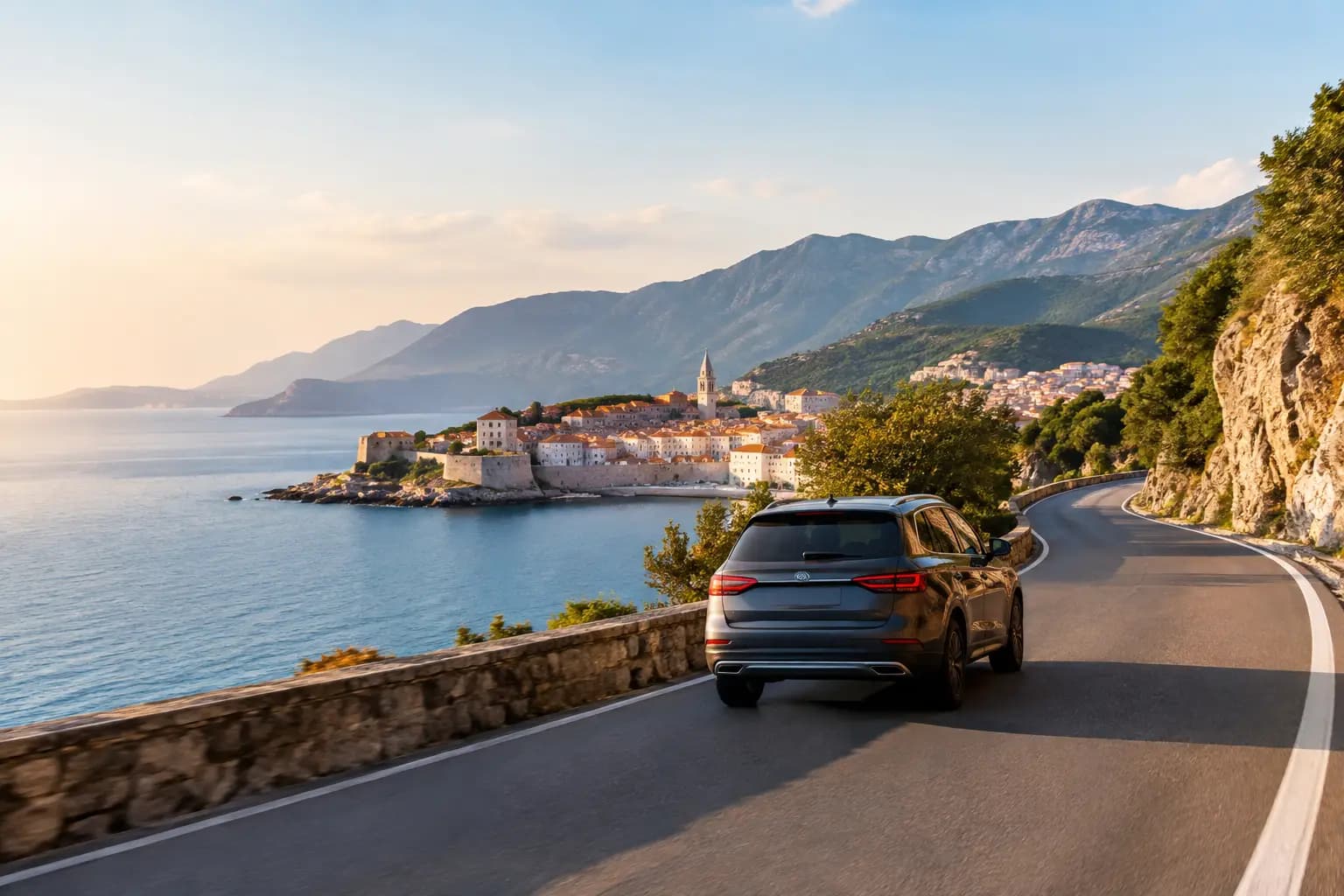
A rental car gives you the most freedom. The route is straightforward for confident drivers, and it lets you leave Sofia early, stop for lunch where you like, and add a short walk or a detour to Stob Pyramids if the weather is good.
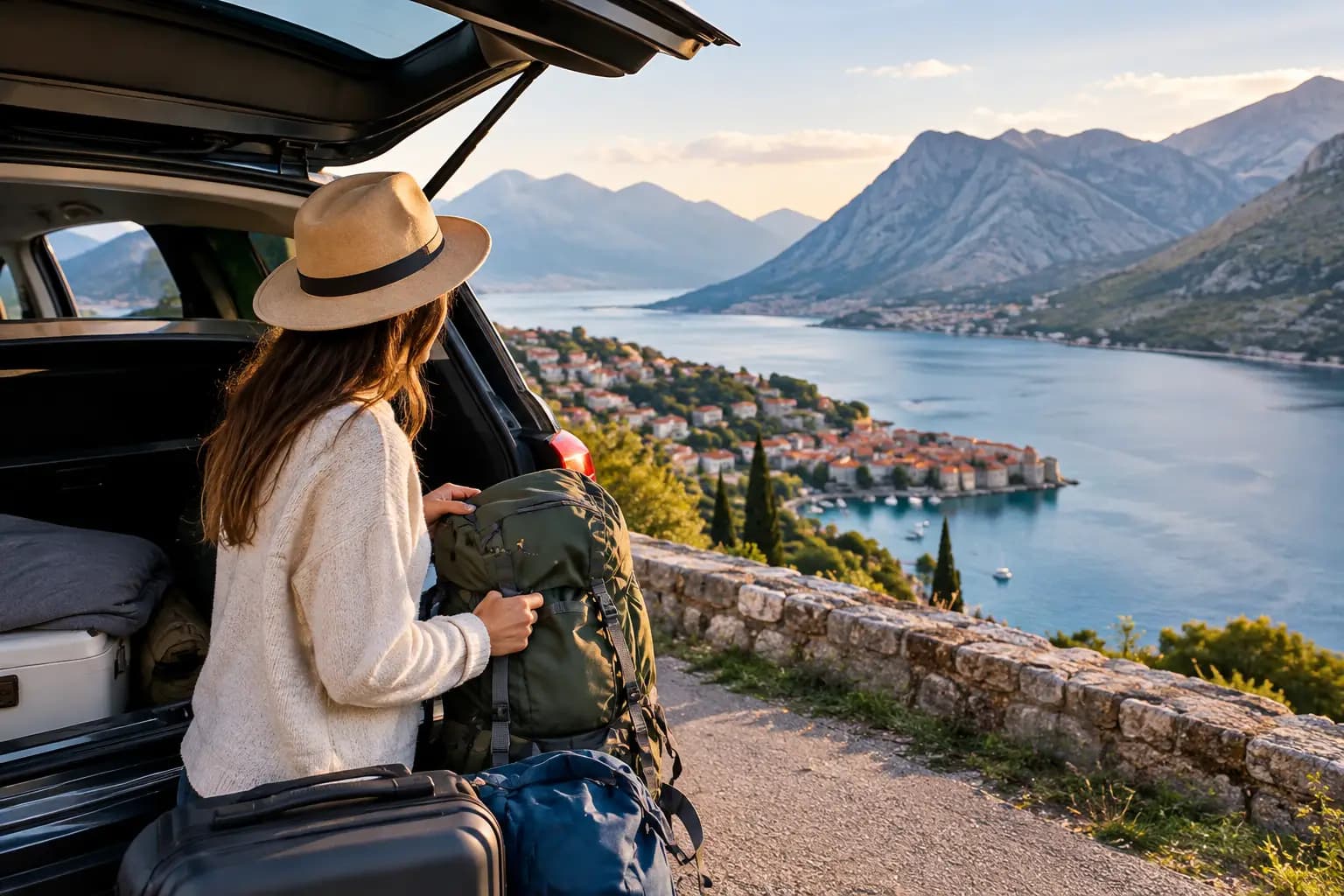
The trade-off is that this is not the best choice for everyone. Parking near the monastery can be busy in high season, mountain roads require more attention in poor weather, and a car is unnecessary if you prefer not to drive abroad. For families or two couples sharing costs, though, it can be the most flexible option.
By organized day tour
A guided tour is the low-friction choice, particularly for first-time visitors to Bulgaria. Transport is handled, departure and return points are clear, and a guide can give useful context on the monastery’s history and frescoes.
Tours vary considerably. Some include the nearby Boyana Church, while others focus solely on Rila Monastery and a meal stop. Combining both landmarks makes for a long day, so check how much actual free time is allocated at the monastery. A schedule with less than 90 minutes there is usually too tight.
By public transportation
Public transportation is possible, but it is the least reliable option for a relaxed day trip. Services can be limited, connections may not line up neatly, and schedules change by season. It is best for travelers who have flexibility, are comfortable checking local timetables shortly before departure, and do not mind building the day around the bus.
For most short-stay visitors, a car or organized excursion is a better use of time. Saving a little on transport is not always worthwhile if it means spending much of the day waiting between connections.
How much time to spend at the monastery
Plan for two hours on site at a minimum. That gives you time to walk the courtyard, study the church façade, enter the main church, see the small museum if it interests you, and slow down for coffee or lunch nearby.
Three hours is better if you want to visit without watching the clock. The main church is compact, but its painted exterior rewards a second look. The scenes are detailed, vivid, and at times deliberately unsettling, which is part of what makes them memorable. This is not a place to rush through with a checklist.
The monastery grounds are generally free to enter, while some interior exhibits may require a separate ticket. Opening hours, museum access, and photography rules can change, especially around religious holidays, so confirm current details before setting out.
What to wear and how to visit respectfully
Rila Monastery is active religious space, not just a heritage site. Visitors do not need formal clothes, but modest dress is the sensible choice. Cover shoulders and knees if possible, and bring an extra layer even in summer. The valley can feel cooler than Sofia, particularly in the morning or late afternoon.
Inside the church, speak quietly and follow any signs regarding photography. Flash photography and filming may be restricted. If a service is taking place, give worshippers room and avoid treating the interior like a backdrop for social media.
Comfortable shoes matter more than hiking gear. The main visit involves paved and cobbled surfaces rather than a demanding trail. If you plan to add Stob Pyramids or another walk, then proper walking shoes and water become more important.
Add lunch, but do not build the day around it
The area around Rila Monastery has simple restaurants and food stalls, with grilled dishes, soups, salads, and local pastries commonly available. One regional specialty visitors often look for is mekitsi, fried dough served sweet or savory. It is good fuel after an early start, although it is not a reason to schedule the entire day around a specific restaurant.
For a smoother visit, arrive at the monastery before the main lunch rush, explore first, then eat afterward. This order also gives you better light and a quieter courtyard in many seasons.
If you are traveling with children, pack water and a few snacks. Options exist nearby, but this is a mountain monastery complex, not a large visitor center with endless choices.
The best time to go
Late spring through early fall offers the easiest conditions. May and June bring greener landscapes, while September often combines pleasant temperatures with fewer family vacation crowds. July and August are popular, so an early departure from Sofia makes a noticeable difference.
Winter can be beautiful, especially after fresh snow, but it requires a more careful approach. Road conditions may change quickly, daylight is shorter, and a self-drive visit only makes sense if you are prepared for winter driving. A tour is often the calmer option in that period.
Weekdays are generally more peaceful than weekends. If your itinerary allows it, go early on a Tuesday, Wednesday, or Thursday and leave Sofia before 8:00 a.m. You will have more time on site and less pressure to race back before evening.
Should you combine Rila Monastery with Boyana Church?
You can, and many day tours do. Both places are culturally significant, but they offer very different experiences. Boyana Church is close to Sofia and known for its medieval frescoes, while Rila Monastery delivers the larger-scale mountain setting and the stronger sense of a day away.
The combination makes sense if you have limited time and prefer one efficient sightseeing day. It does not make sense if you like to travel slowly. In that case, give Rila Monastery the space it deserves, have an unhurried lunch, and perhaps add a short stop in the surrounding landscape instead.
A realistic plan for the day
Leave Sofia early, aim to arrive by mid-morning, and allow two to three hours at the monastery. Have lunch nearby, then decide based on your energy and weather whether to return directly or add a light detour. You should be back in Sofia by early evening without feeling as if you spent the entire day in transit.
For travelers planning several stops in Bulgaria, this visit works particularly well before heading toward Bansko, Plovdiv, or the Black Sea coast. It creates a natural break between city days and more outdoors-focused travel.
A Rila Monastery day trip is not about collecting another landmark. Give it enough time, arrive with a little patience, and let the quiet mountain setting do what Sofia cannot: slow the itinerary down in the best possible way.
Ready for your next adventure?
Compare flights, accommodation and activities – ljetovanje.com helps you find the best deals for your perfect holiday.
ljetovanje.com
Travel expert and contributor for Ljetovanje.com