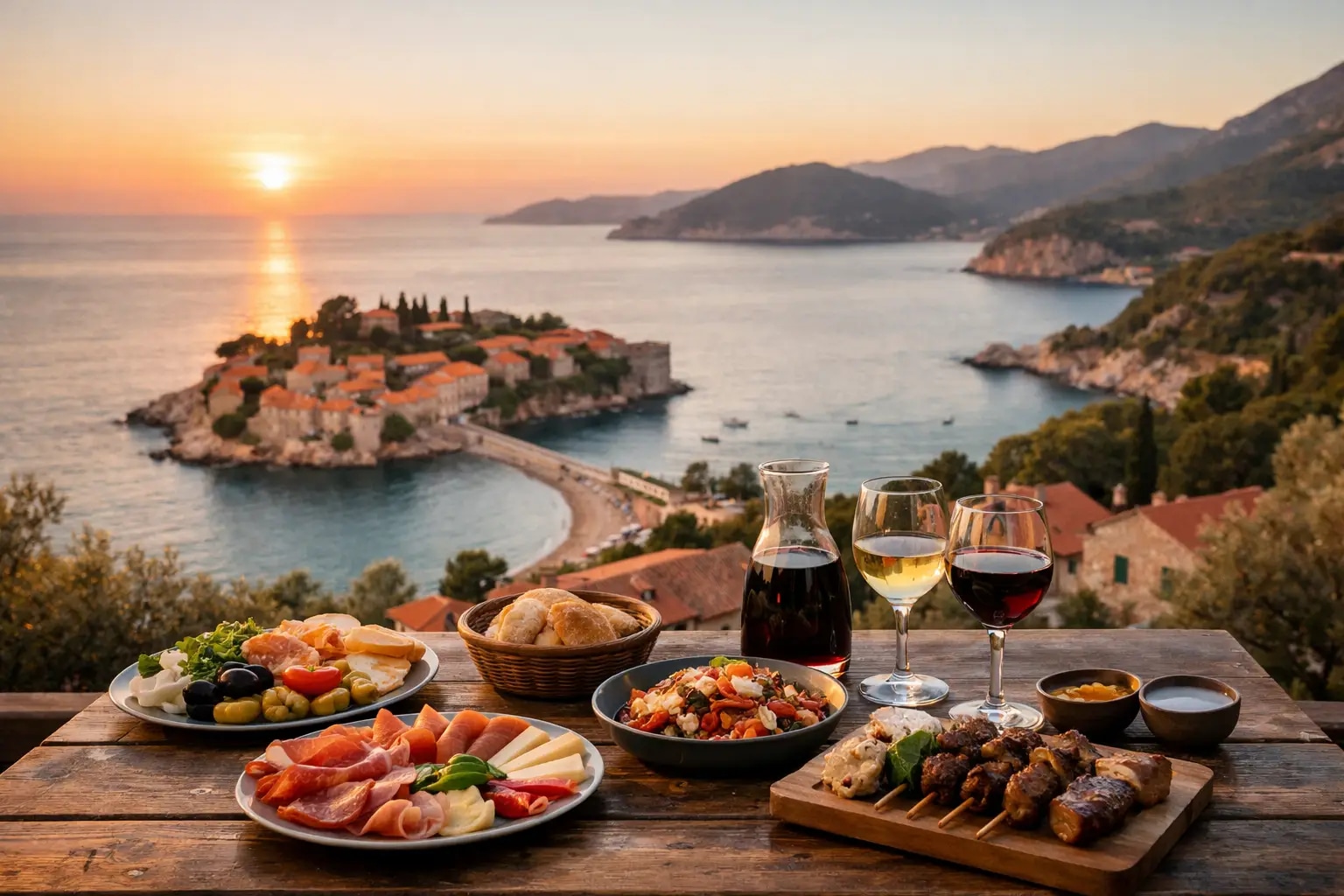
You can tell a lot about a summer destination by what shows up on the table at 2 p.m. In the Balkans, that usually means something grilled, something just picked, and something poured from a bottle the family did not buy at a supermarket. That is why food focused summer trips Balkans travelers actually enjoy are rarely about chasing famous restaurants. They work best when the route, timing, and overnight stops are built around markets, seaside taverns, wine roads, and places where lunch still sets the pace of the day.
For travelers from the region and diaspora visitors coming back in summer, food travel here is also practical. Good eating is not limited to expensive capitals or hard-to-book tasting menus. Some of the best meals happen on a coastal detour, in a mountain town on the way to the sea, or in a small inland wine area where accommodation is still reasonable in July. The trick is choosing places where food is part of daily life, not just part of the tourism offer.
What makes food focused summer trips in the Balkans worth planning
The Balkans reward people who travel with an appetite, but summer changes the equation. Coastal towns are lively and easy, yet prices rise and parking gets worse. Inland regions often offer better value and more breathing room, but they need a bit more planning if you want to combine meals, wineries, swimming, and family-friendly stays.
That is the real advantage of planning around food. It gives the trip structure. Instead of asking where to go just because a beach is popular, you ask a better question: where can we eat well for three or four days without wasting half the vacation in traffic, overpaying for average dinners, or settling for tourist-center menus?
The best answer usually falls into one of three patterns. First, the coast plus nearby hinterland combination. Second, a wine region with easy access to lakes, rivers, or day trips. Third, a city break that stretches into slow summer eating rather than museum-heavy sightseeing.
1. Istria for seafood, olive oil, and easy driving
If you want the safest all-around pick, Istria is hard to beat. Summer food travel here works because the region is compact. You can sleep in one place and still alternate between seafood lunches on the coast, pasta with truffles inland, and evening wine tastings without turning every meal into a road trip.
Rovinj, Porec, and smaller inland bases each give you a different rhythm. Coastal stays are prettier and more immediate, but inland towns can be calmer and slightly better value in peak season. For couples, Istria feels polished without being stiff. For families, it is practical because distances are short and meal options are broad enough for both adventurous eaters and people who just want grilled fish, pasta, and good bread.
The trade-off is obvious: Istria is no secret. In July and August, the best-known spots are busy, and that affects both prices and spontaneity. Go for lunch instead of dinner when possible. You will often eat better, spend less, and avoid the evening crowd.
2. Herzegovina for grilled food, wine, and heat that suits summer
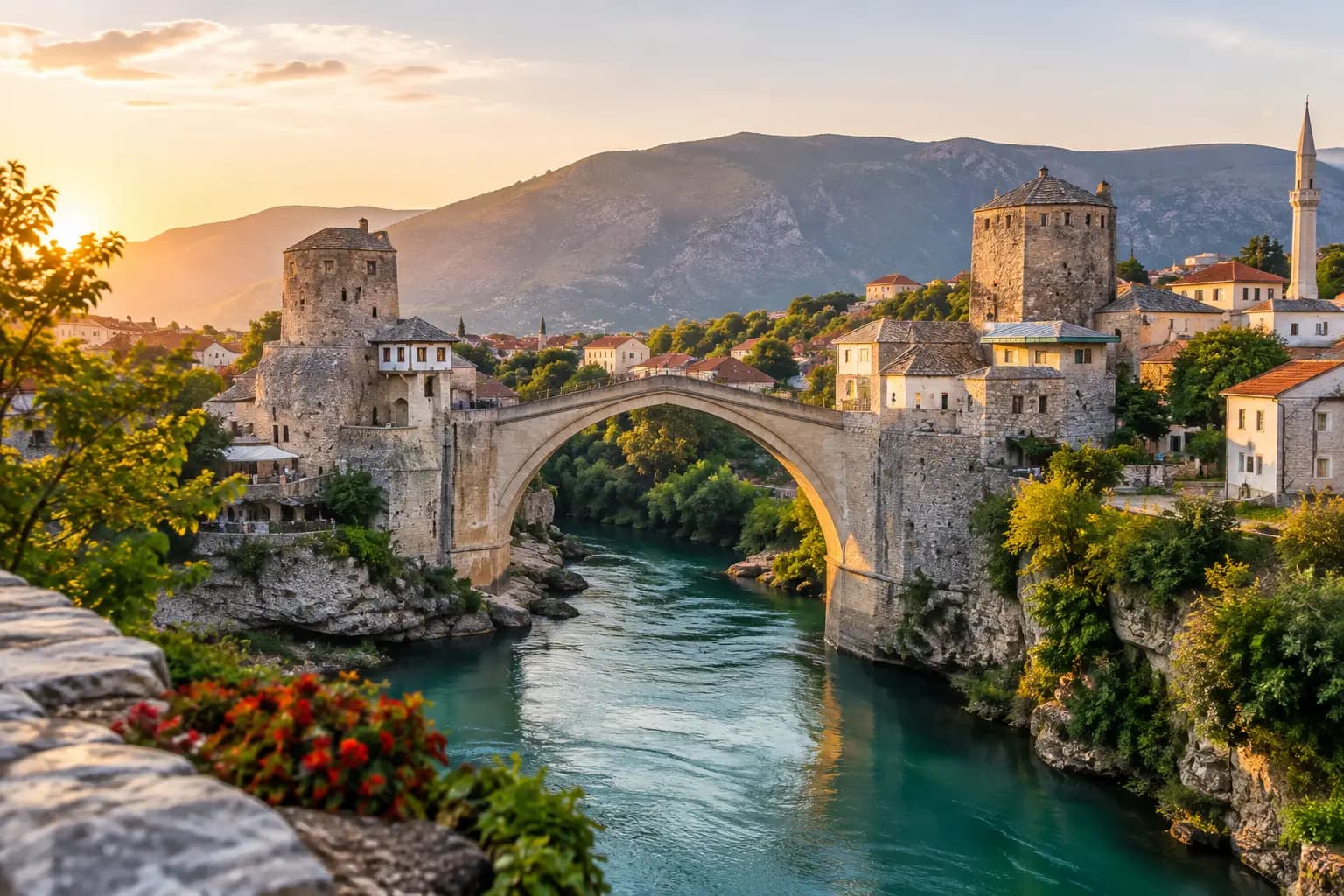
Some regions make more sense in summer than others, and Herzegovina is one of them. The climate, the produce, and the wine all feel made for hot-weather travel. Base yourself around Mostar, Trebinje, or a quieter nearby town, and you can build a trip around long lunches, riverside dinners, local wines, and easy side trips to waterfalls or historic sites.
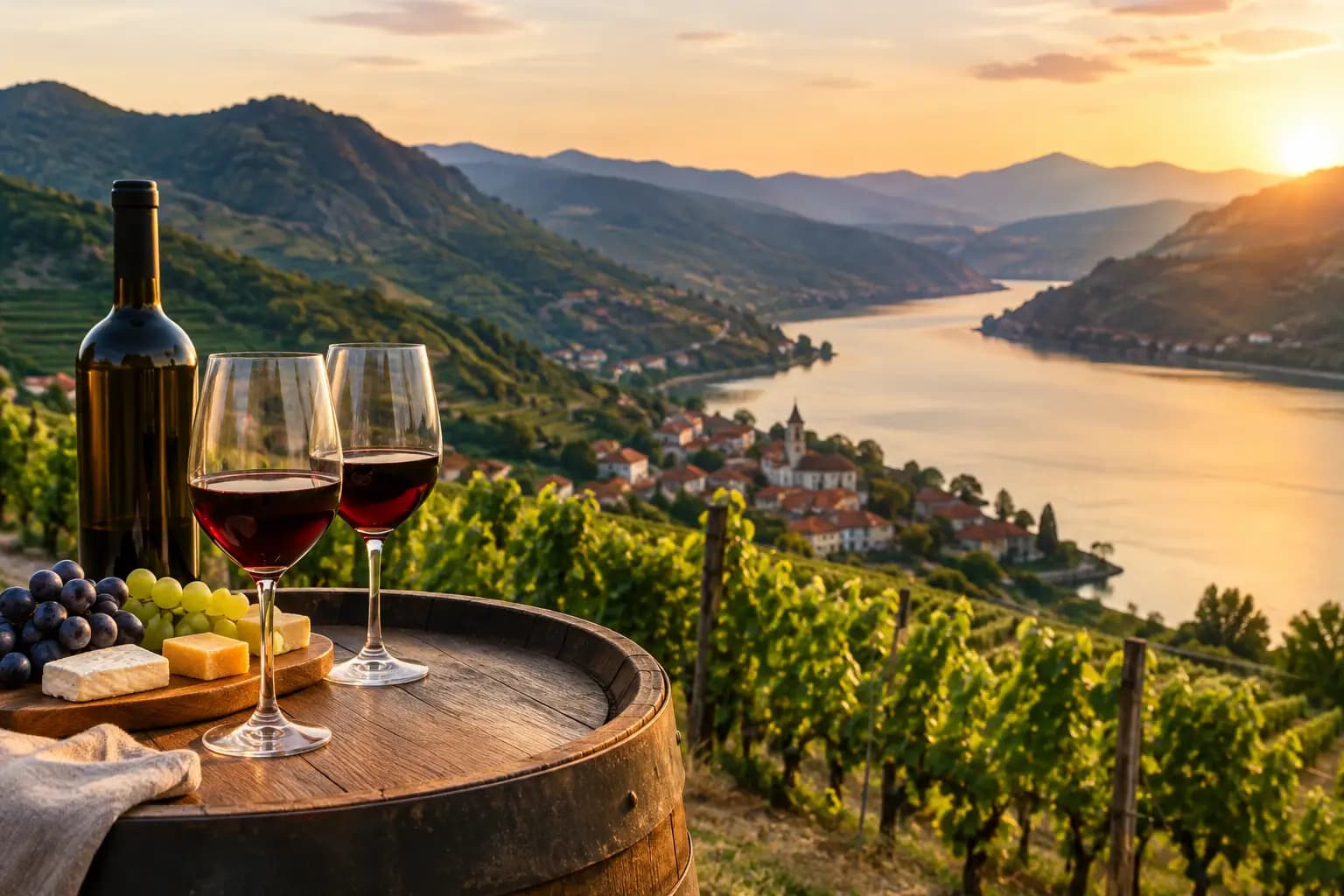
This is one of the strongest options for travelers who want food with character rather than polish. Meals tend to be generous, direct, and rooted in the area. You will find grilled meats, seasonal vegetables, cheese, cured products, river fish in some areas, and wines that deserve more attention than they usually get from international visitors.
The reason Herzegovina works so well is balance. It still feels accessible, but not over-curated. Prices can be friendlier than on the Adriatic, and portions are rarely symbolic. If your ideal summer meal is unhurried, substantial, and paired with local wine instead of a cocktail list, this is a smart choice.
3. Albania’s southern coast for seafood without Adriatic pricing
For travelers who want a sea-and-food trip with a bit more value, southern Albania deserves serious attention. The coast has become much more visible, but it can still deliver better pricing than some better-known Adriatic destinations, especially if you book early and stay a little outside the busiest strips.
The food case is simple. Grilled fish, mussels, octopus, fresh salads, white cheese, olive oil, and straightforward beachside meals make sense in summer. This is not a destination for people looking only for refined dining. It is better for travelers who want freshness, big portions, and the kind of lunch that turns into an afternoon.
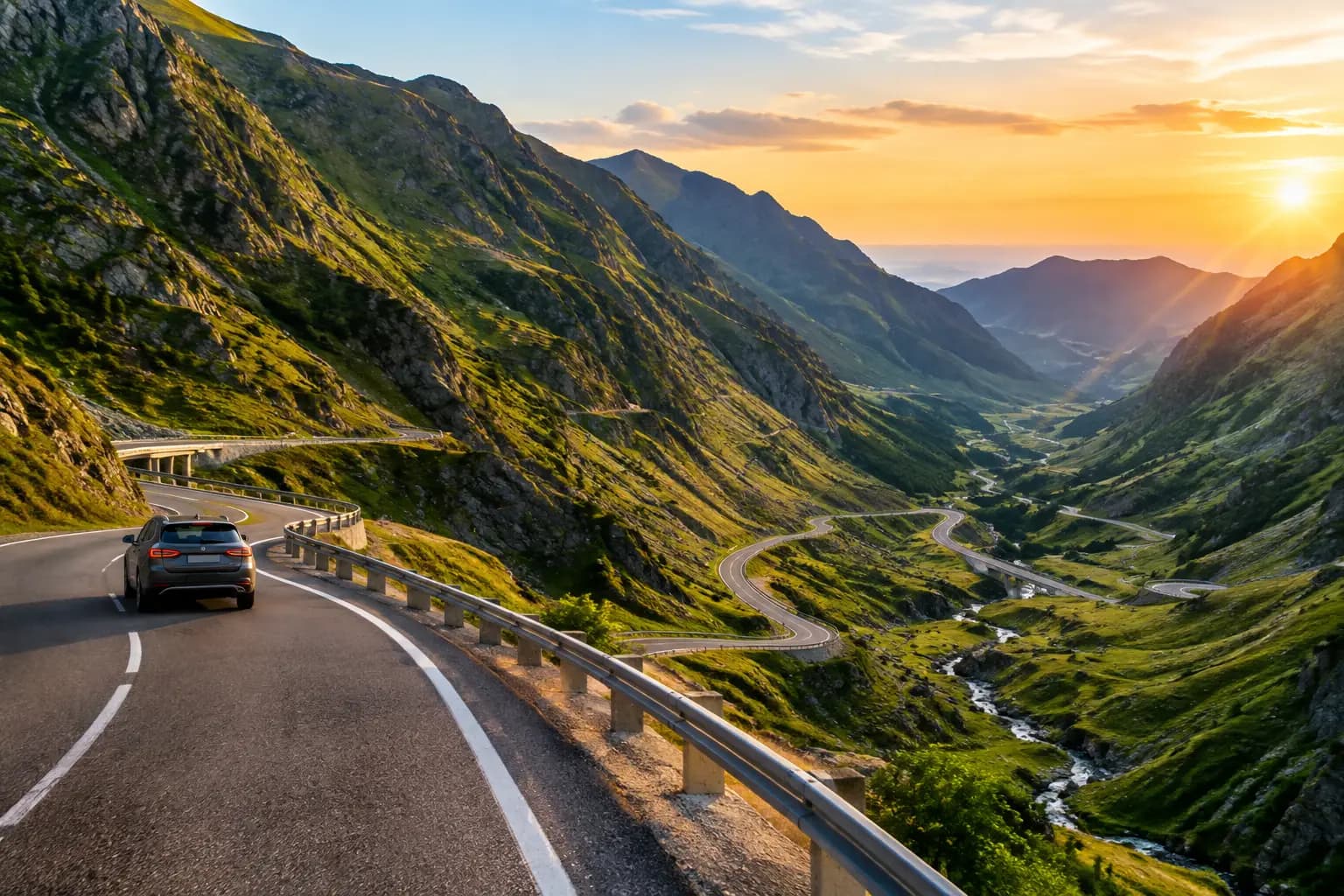
The key is not to overpack the route. Pick one or two bases rather than trying to conquer the whole coast. Roads and transfers can still eat into the day, and food trips lose their point when every meal comes after a stressful drive.
4. Lake Ohrid for classic dishes and a slower pace
Not every food-focused summer trip needs the sea. Lake Ohrid works for travelers who want a calmer rhythm, lower stress, and food that still feels regionally distinct. Summer here is about lakeside dinners, morning markets, traditional dishes, and evenings that do not require reservations made weeks in advance.
Ohrid is particularly good for diaspora travelers visiting family in the region who want a few days that feel like a real break, not a complicated itinerary. You can swim, walk, sit longer over meals, and keep costs more controlled than in many coastal hotspots. The dining scene is not about trend-driven concepts. That is part of the appeal.
For families, this can be easier than a coast trip because the logistics are simpler once you arrive. For couples, it suits people who prefer atmosphere and consistency over constant movement. If your version of a food vacation includes a strong breakfast, a proper lunch, and a late dinner by the water, Ohrid makes sense.
5. Slovenia for a polished food-and-nature summer
Slovenia is the option for travelers who want food quality, clean logistics, and a more structured summer experience. It is especially strong if you want to combine outdoor time with serious eating without dealing with intense peak-season beach traffic.
Ljubljana can work as a short city base, but the better food trip usually connects the capital with wine areas or alpine and valley regions where ingredients shape the menus more directly. Summer produce is strong, restaurant standards are reliable, and local wine adds depth without making the trip feel formal.
The downside is price. Slovenia is often less forgiving for budget travelers than parts of Bosnia and Herzegovina, North Macedonia, or inland Serbia. But for travelers coming from the US or Western Europe who value convenience and smooth planning, that higher cost can be justified by easier movement and consistent quality.
6. Bulgaria’s Black Sea plus inland wine detours
Bulgaria is often underestimated for summer food travel because people reduce it to a beach holiday. That misses the point. The stronger plan is to split time between the Black Sea coast and one inland stop where wine and regional cooking have more room to show up properly.
On the coast, you can keep things simple with fish, salads, and casual summer meals. Inland, the trip becomes more interesting. Wine regions and historic towns add depth and help break up the repetitive pattern that can happen on pure beach vacations. This is a good choice for travelers who want variety without the pricing pressure of some Adriatic routes.
It also suits longer stays. If you have eight to ten days, Bulgaria gives you enough geographic spread to create contrast while still keeping the trip manageable.
7. Serbia’s river and wine regions for a summer trip without the coast
If your priority is food first and swimming second, Serbia can be a very good summer pick. The best version is not a city-only itinerary. It is a route that combines one urban stop with wine regions, river towns, or mountain edges where lunch still matters more than checking off attractions.
This is a strong choice for repeat Balkan travelers who have already done the obvious coastal routes. It gives you a different kind of summer: less beachwear, more shade, better-value accommodation, and meals that feel anchored in local habits rather than seasonal tourism. You are trading postcard sea views for substance, and for many travelers that is a good trade.
How to choose the right food focused summer trip Balkans route
If you care most about seafood and swimming, choose Istria or Albania’s southern coast. If you want wine, grilled food, and better value, Herzegovina stands out. If you want a slower, family-friendly lake trip, Ohrid is easier than many people expect. If logistics matter almost as much as food, Slovenia is the least stressful option.
Budget matters, but so does travel style. A cheaper destination can become expensive if you keep moving every day, parking in crowded resort towns, or booking last-minute in August. A slightly pricier region can still be the better deal if distances are short and meals are consistently good. That is often how practical summer planning works on Ljetovanje.com - not by chasing the lowest sticker price, but by matching the route to how people actually travel.
The best food trip in the Balkans is usually the one that leaves enough room for one more coffee, one more detour, and one dinner you did not plan in advance.
Ready for your next adventure?
Compare flights, accommodation and activities – ljetovanje.com helps you find the best deals for your perfect holiday.
ljetovanje.com
Travel expert and contributor for Ljetovanje.com