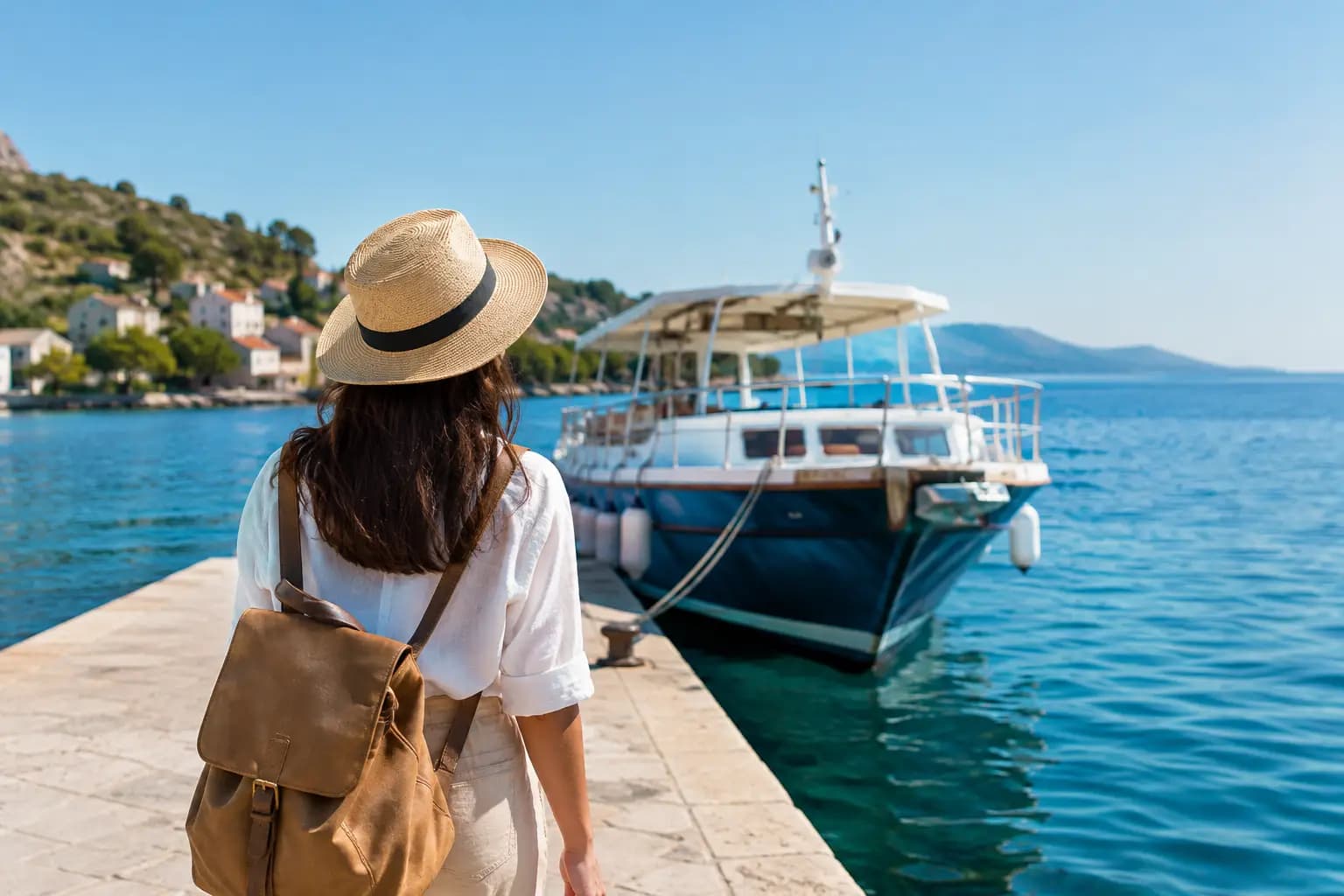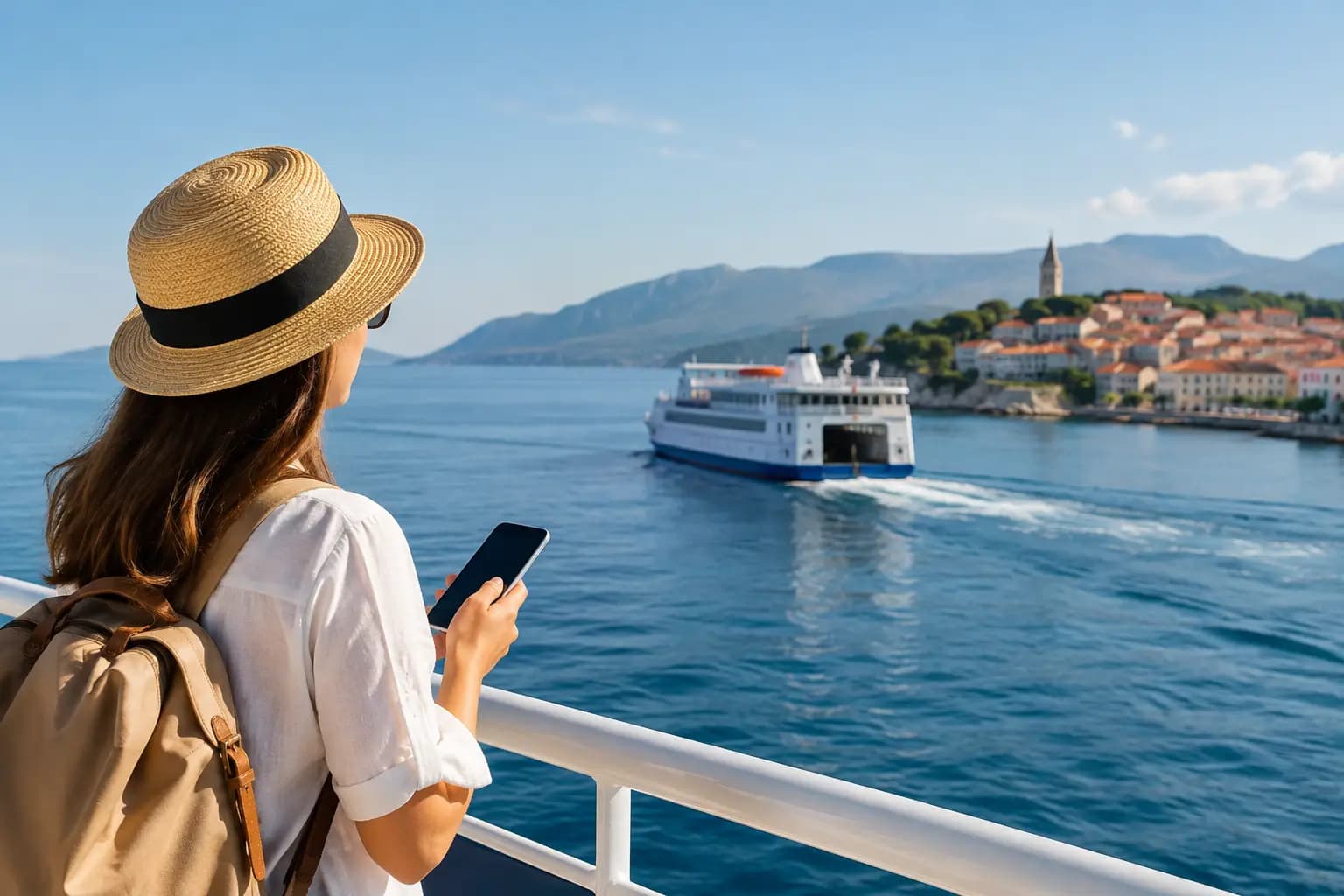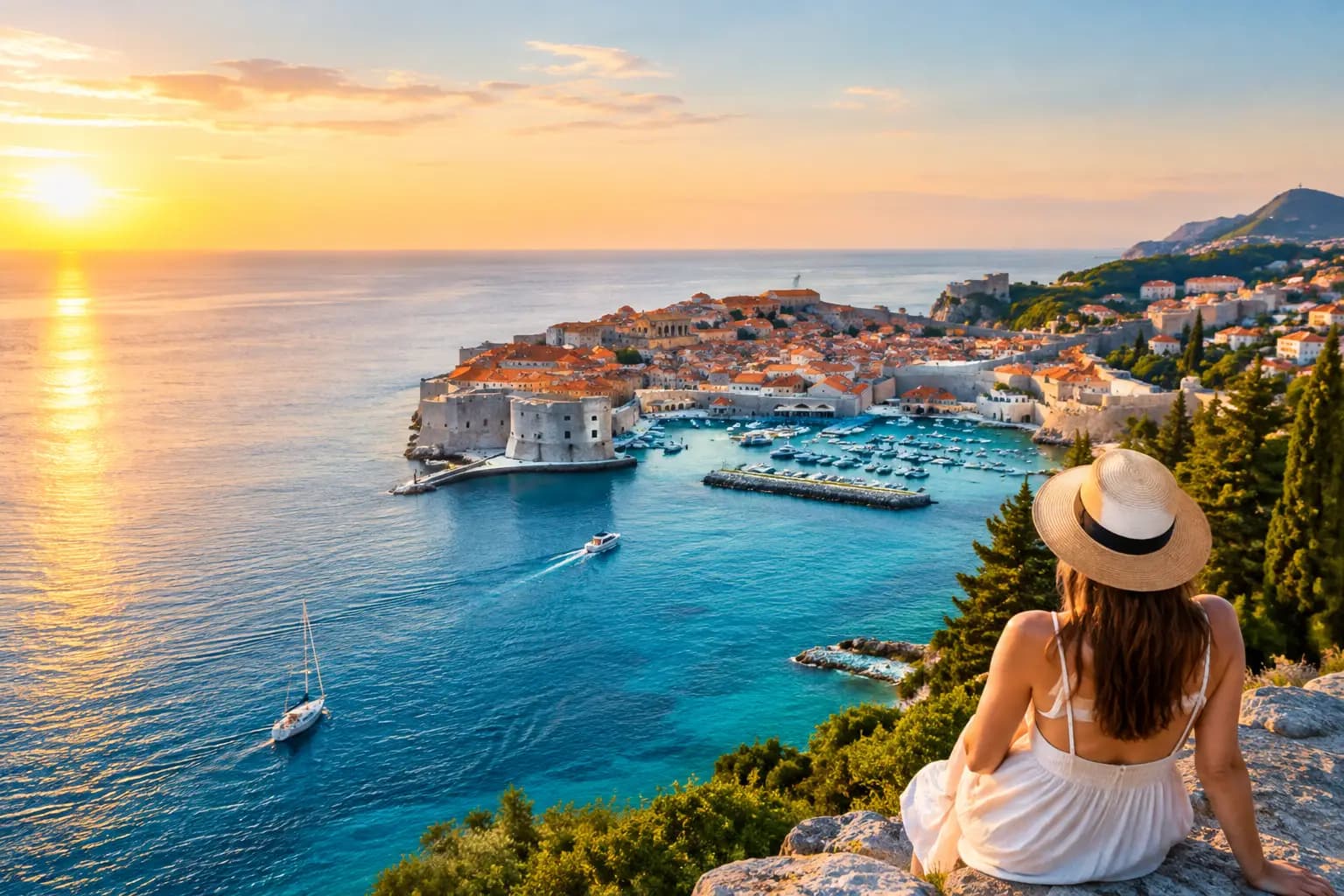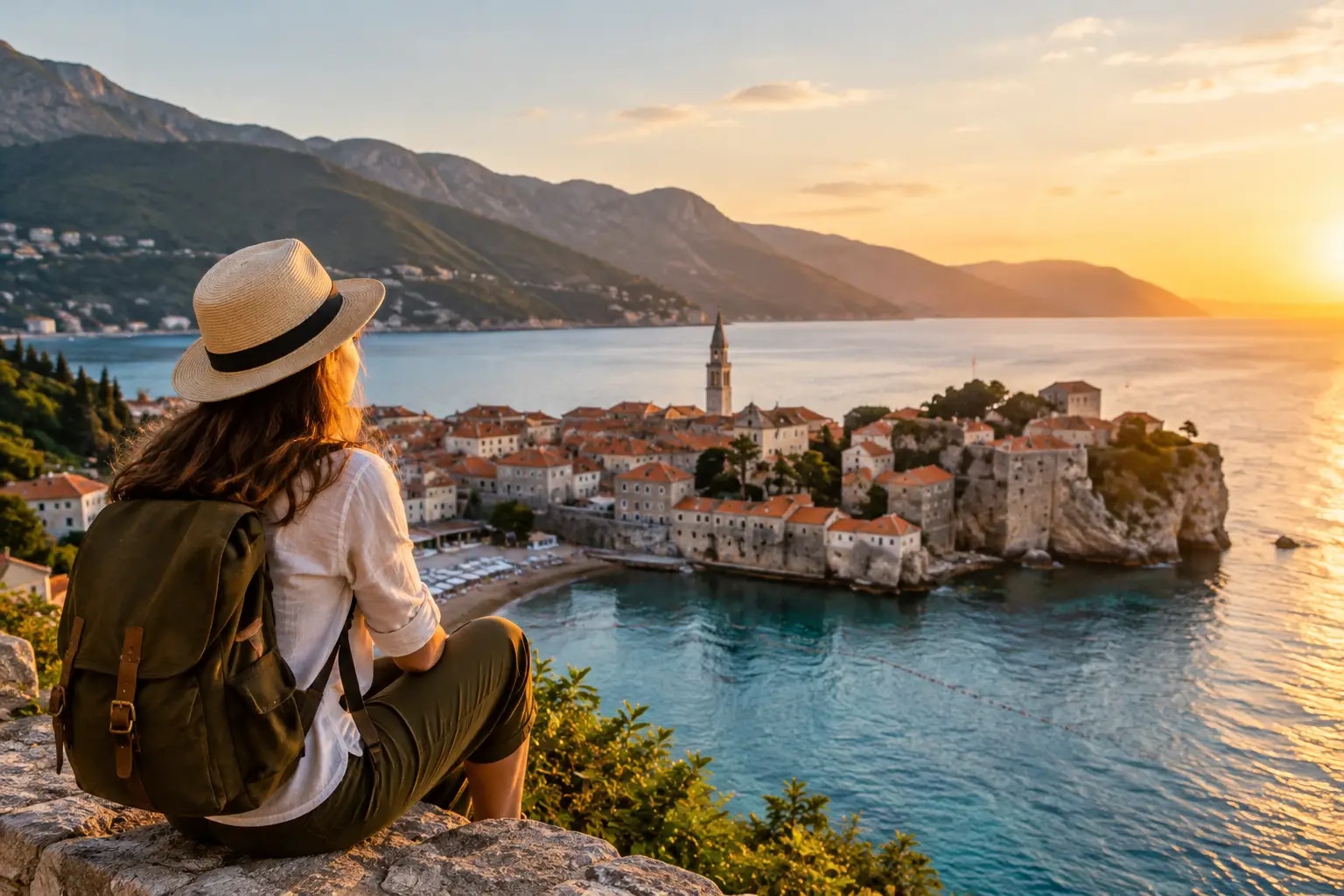
By the second week of September, the Adriatic is often still warm enough for a proper swim, but the pressure is gone. You can park closer to the waterfront, reserve dinner without planning your evening around it, and find apartments that were unavailable or overpriced in August. That is the real appeal of a Balkan shoulder season: not empty destinations, but better room to enjoy them.
For travelers coming from the US, Western Europe, or elsewhere in the diaspora, timing matters as much as destination. A week in Split, Kotor, Ohrid, or the Albanian Riviera can feel completely different depending on whether you arrive in July or late September. Shoulder season is usually the smarter choice, but it is not automatically the right choice for every itinerary.
What Shoulder Season Means in the Balkans
Shoulder season is the period between peak summer and the quieter off-season. Across much of the Balkans, the two main windows are late April through June and September through early October. Exact conditions vary sharply by coast, mountain, and city.
The spring window is about fresh green landscapes, easier sightseeing, and comfortable temperatures for driving or hiking. The sea may still be chilly, especially in northern Croatia and Slovenia, but cities, national parks, and inland wine regions are at their best.
The fall window is usually stronger for a beach-focused trip. The sea has had all summer to warm up, daytime temperatures are often pleasant, and the light is softer. In southern coastal areas, swimming can remain realistic well into October, though weather becomes less predictable as the month goes on.
A useful rule is simple: choose May or early June if you want movement, nature, and cities. Choose September if you want the closest thing to summer without August crowds.
The Two Best Balkan Shoulder Season Windows
Late April through June
Spring works especially well for a Balkan road trip. The coast is lively enough to feel open, yet roads are manageable and parking is less of a daily negotiation. Waterfalls, rivers, and hiking trails are also more impressive after winter rains.
This is a strong period for combining Sarajevo and Mostar, exploring Slovenia's Soča Valley, staying near Lake Ohrid, or taking in the inland side of Croatia. Temperatures are generally better for walking than in midsummer, when old-town stone streets can feel like an oven by early afternoon.
The compromise is swimming. By late May and June, the water can be pleasant in Montenegro, southern Croatia, Greece, and Albania, but it depends on the year and your tolerance for cooler water. If a guaranteed beach-and-swim vacation is the priority, spring requires more flexibility.
September through early October
September is the most reliable shoulder-season month for the coast. Families traveling with school-age children may have fewer options after school starts, but couples, remote workers, and travelers visiting relatives can benefit from a noticeable drop in demand.
Croatia's islands and mainland coast are easier to enjoy once day-trip crowds thin out. Montenegro becomes less intense around Kotor and Budva, while beach towns farther south often settle into a more local rhythm. Albania can be particularly good in September, when the sea remains warm and accommodation availability improves.
October is more selective. It can be excellent for city breaks in Ljubljana, Sofia, Plovdiv, Sarajevo, or Trebinje, as well as food and wine travel in Herzegovina or Bulgaria. For a beach itinerary, however, book it with a plan B. A few warm days can feel like a bonus summer week, but rain and reduced seasonal services are more likely.
What You Gain, and What You Give Up
The obvious benefit is price. Flights, apartments, and hotels often cost less outside school vacation periods, although the difference is not uniform. A well-located apartment in a small coastal town may drop significantly in September, while a boutique hotel in a popular old town can remain expensive through much of the fall.
The bigger advantage is time. You spend less of it in traffic, waiting for tables, or searching for a place to leave the car. This matters on short trips. If you only have five or six days, losing two afternoons to peak-season transfers and parking can change the entire pace of the vacation.
Restaurants are generally easier to book, and local hosts have more time for practical recommendations. You are also more likely to see a place functioning as a real town rather than a summer-stage version of itself. Morning coffee in a harbor, a market stop, or a family-run konoba feels different when every table is not turning over three times a night.
There are trade-offs. Ferry schedules can become less frequent after summer. Smaller beach bars, water-sports rentals, and seasonal restaurants may close earlier than expected. In mountain areas, snow can arrive before winter infrastructure is fully active, while weather at higher elevations changes quickly.
That means shoulder season rewards travelers who prefer a good base over a packed checklist. It is less ideal for those who need every boat line, club, beach service, and attraction to operate at full capacity.
Choose the Destination to Match the Month
The Balkans are not one climate zone, and treating them as one is a common planning mistake. In May, the Dalmatian coast can be sunny while mountain roads in Montenegro or Bosnia and Herzegovina are still cool, wet, or occasionally affected by late snow. In October, the coast may be mild while inland evenings require a jacket.
For a late-spring beach break, look south. Montenegro's coast, Albania, and the Greek islands usually offer better odds of warm weather than northern Adriatic destinations. If you are traveling in September, Croatia is an excellent fit, particularly for islands and smaller towns that feel crowded in July and August.
For an active trip, Slovenia, North Macedonia, inland Bosnia and Herzegovina, and Bulgaria are often better in May, June, September, and early October than at peak summer. Hiking around Triglav National Park, Pelister, Mavrovo, Rila, or Pirin is more comfortable when daytime heat is lower. Still, check trail conditions locally rather than assuming a calendar month guarantees access.
For a culture-and-food itinerary, fall may be the strongest option of all. Sarajevo, Mostar, Skopje, Sofia, and Plovdiv are easier to walk, and harvest season adds a real reason to slow down in wine regions and rural areas. This is when a two-night stop that might feel optional in August becomes one of the trip's best decisions.
How to Plan Without Losing the Shoulder-Season Advantage
Start with transport, not just the destination photo. Flight schedules from diaspora hubs can shrink outside peak summer, particularly for smaller coastal airports. A slightly cheaper fare is not always a better deal if it arrives late at night and adds a long, expensive transfer.
If you rent a car, build breathing room into the route. Shoulder season makes driving easier, but it does not make mountain roads shorter or border crossings irrelevant. Avoid trying to cover multiple coastlines in a few days. Two regions with time to stop will usually feel better than four countries seen through a windshield.
Accommodation is where flexibility pays off. For beach towns, choose a place within walking distance of the waterfront if you are traveling after mid-September, when some local transport and taxi availability can become less convenient. For a mixed itinerary, split your stay between a city or inland base and the coast instead of commuting long distances every day.
Before you commit, confirm four practical details: the latest flight or transfer option, parking arrangements, whether the property has heating or reliable air conditioning for changing weather, and which nearby restaurants or services remain open during your dates. These checks take minutes and prevent the most common shoulder-season disappointments.
Who Should Travel in Shoulder Season?
A Balkan shoulder season is especially good for couples, friend groups, remote workers, and diaspora travelers whose dates are not tied to school holidays. It suits anyone who values a quiet beach morning and a table with a view more than a packed nightlife calendar.
Families can benefit too, particularly in early June or early September, when the weather is often stable and destinations are still fully operational. For families needing school-break dates, the final week of August can sometimes offer a useful middle ground, though prices and crowds may still be high.
If you are visiting family and adding a few days at the coast, shoulder season can be the most natural way to do both. You avoid the high-season scramble while leaving space for the unplanned parts of a Balkan trip: a longer lunch, a recommendation from a cousin, or one more night somewhere that feels better than expected.
The best shoulder-season trip is not about chasing the lowest rate or perfect weather. It is about choosing dates that leave room for the version of the Balkans you actually came to experience.
Ready for your next adventure?
Compare flights, accommodation and activities – ljetovanje.com helps you find the best deals for your perfect holiday.
ljetovanje.com
Travel expert and contributor for Ljetovanje.com