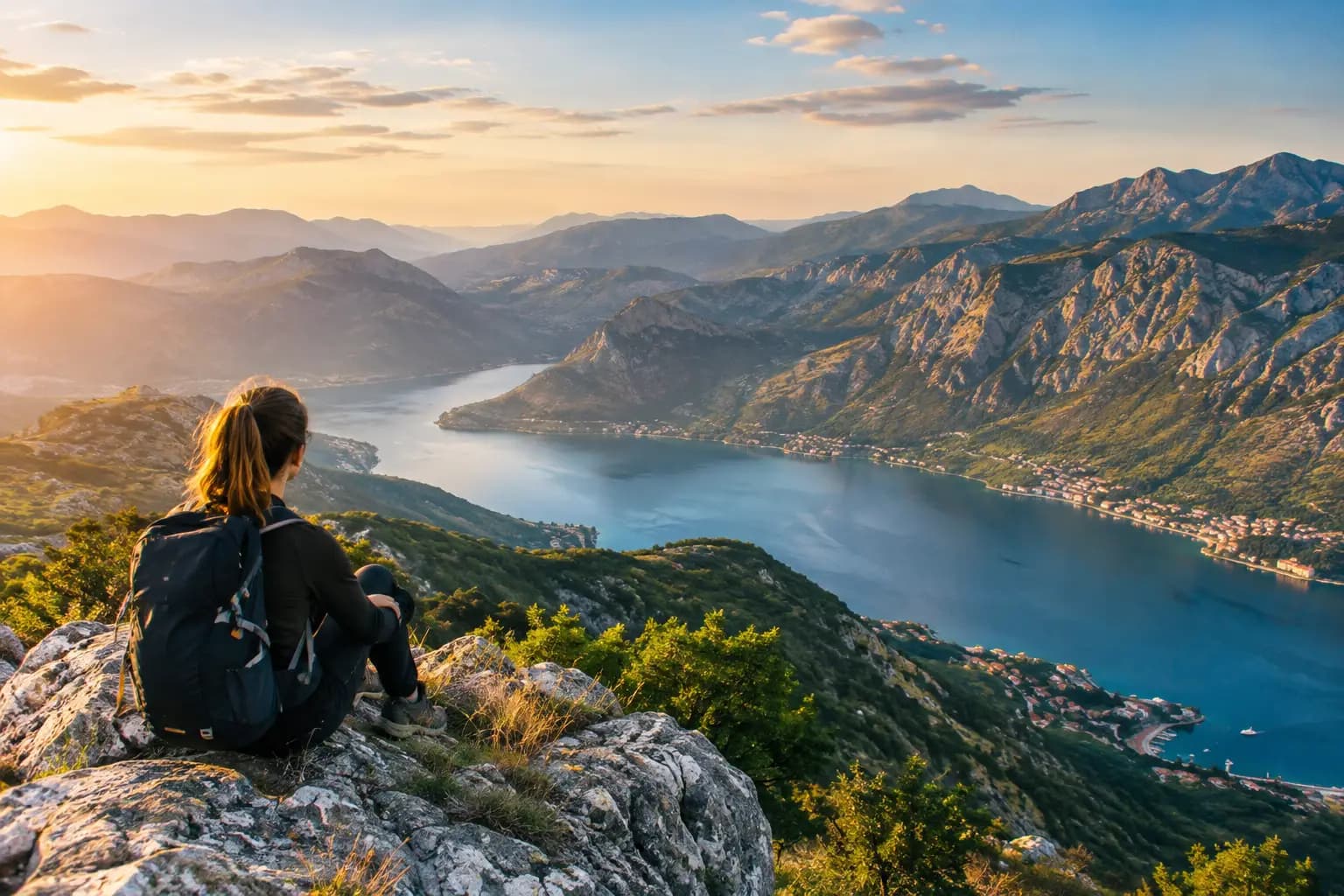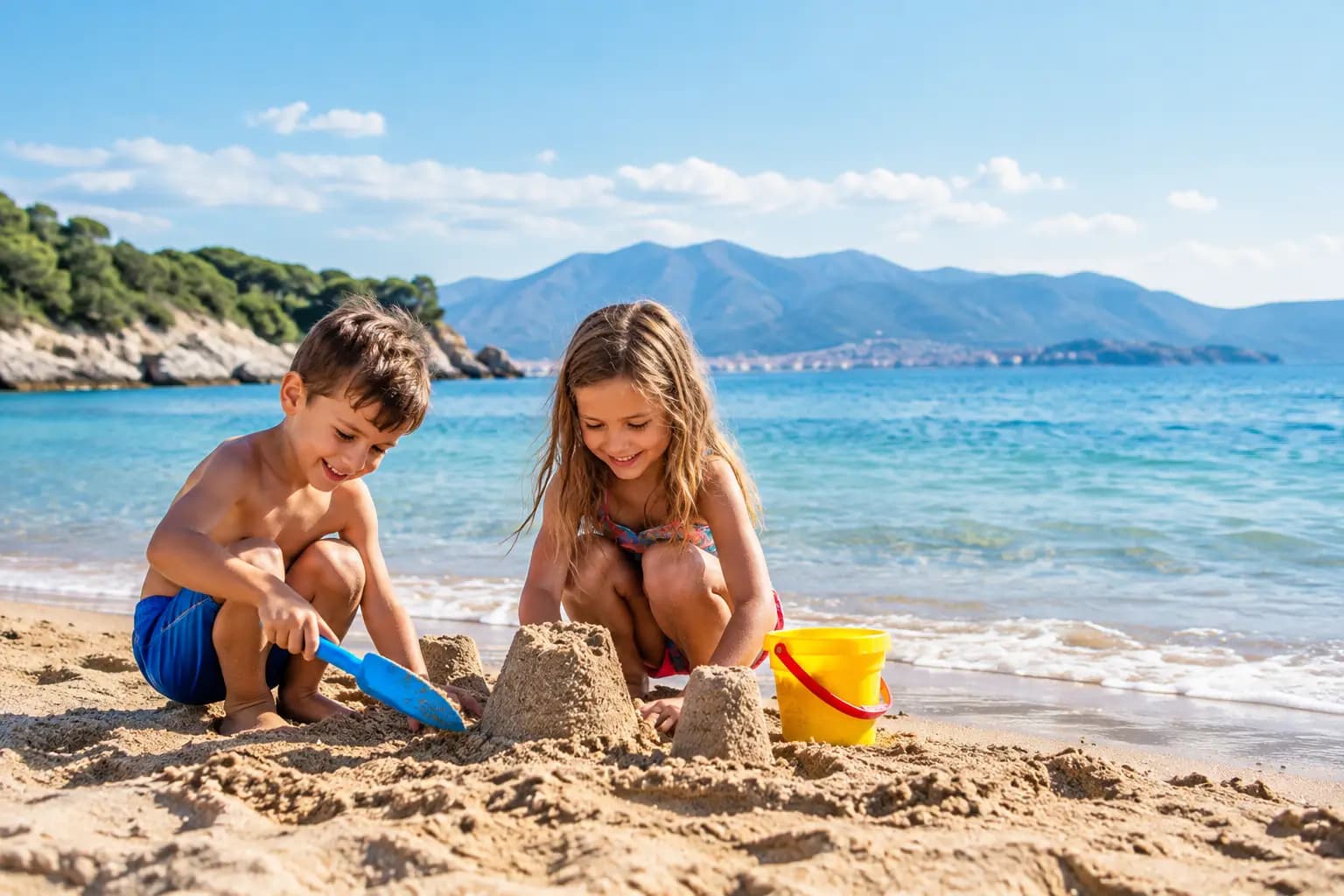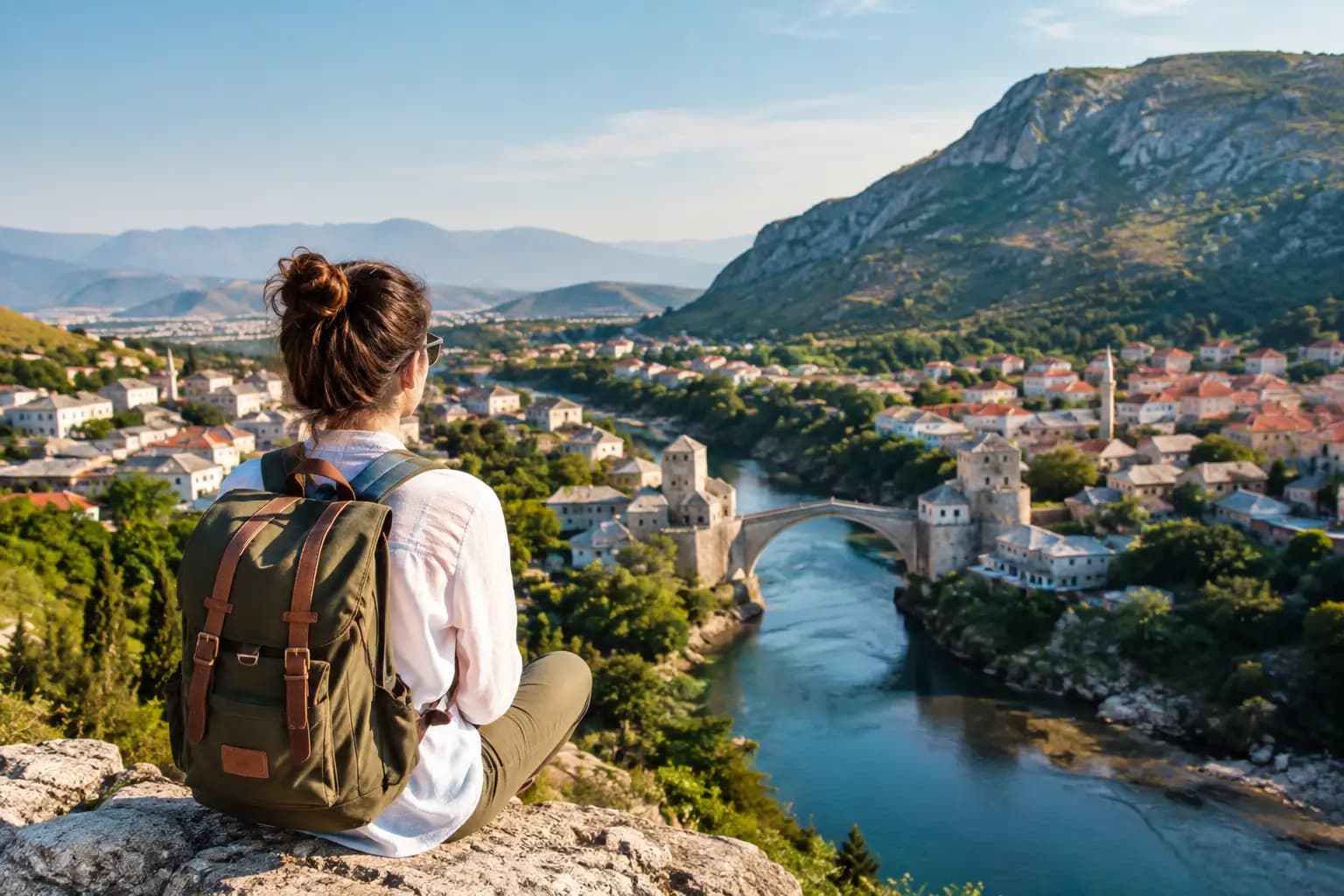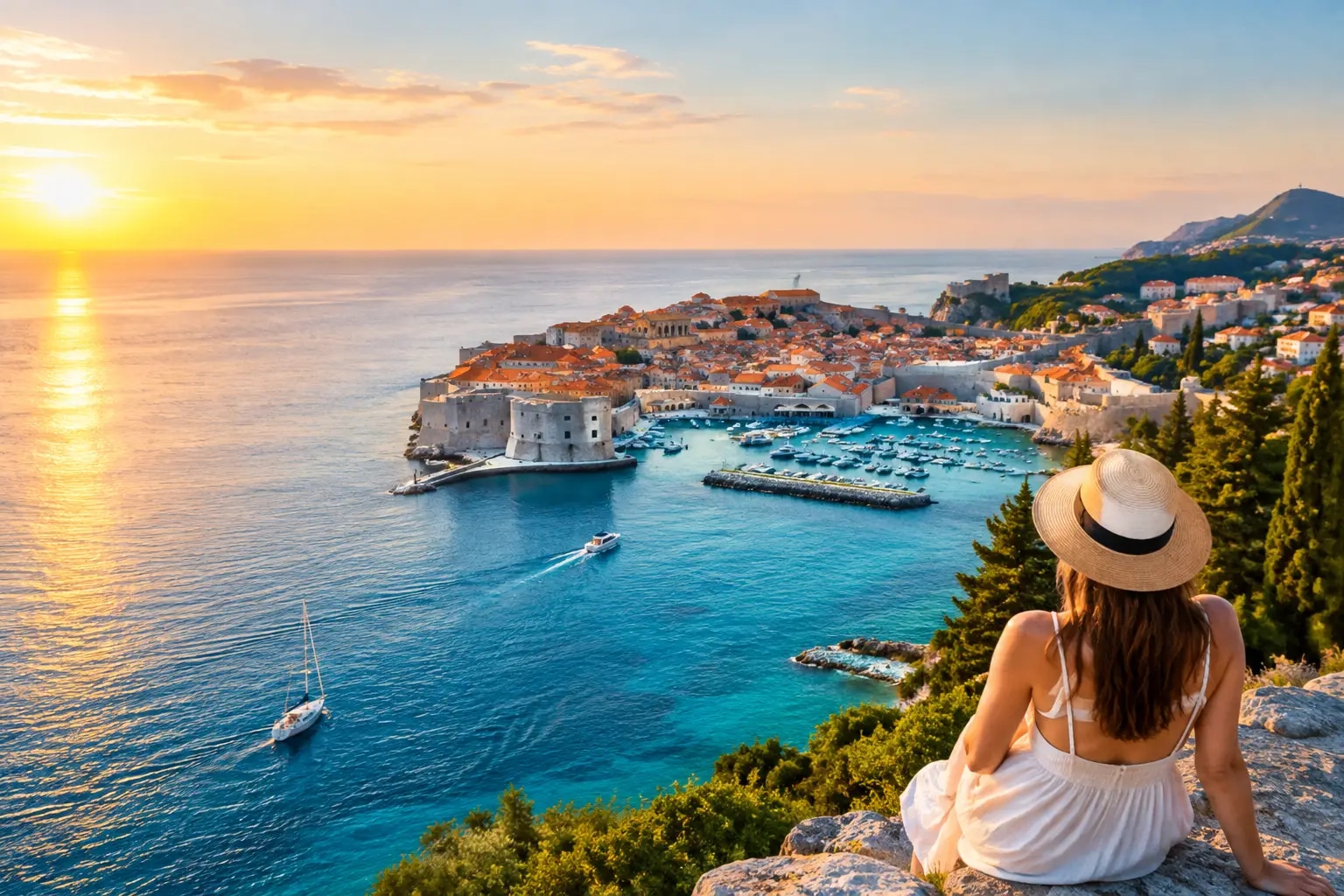
The best Croatia resorts are not necessarily the biggest, newest, or most photographed. The right one is the place that lets you spend less of your holiday coordinating parking, beach bags, dinner reservations, and transfers - and more time actually enjoying the Adriatic. For families, that may mean a resort village near Poreč. For a couple flying in from Zurich, Munich, or the U.S., it may mean a polished waterfront stay close to Split or Dubrovnik airport. The details matter more than the star rating alone.
Croatia is often treated as one long coastline, but its resort experience changes sharply from Istria to Dalmatia and from the mainland to the islands. Before comparing rooms and prices, decide what kind of days you want to have.
Croatia Resorts by Region
Istria: the easy choice for active families
Istria is a practical first choice for travelers who want a resort holiday with fewer moving parts. The peninsula has established resort areas around Rovinj, Poreč, Umag, and Rabac, where hotels, apartments, pools, sports facilities, and beaches tend to sit close together. This is especially useful when traveling with children or grandparents who do not want a daily drive to find a suitable beach.
The coast here is largely rocky or paved rather than sandy, but the water is clear and many resorts have well-designed swimming areas, shaded lawns, and easy sea access. Istria also works for travelers who like to leave the resort for dinner. You can combine beach time with old towns, local taverns, cycling routes, and quieter inland villages without planning an all-day excursion.
The trade-off is atmosphere. Larger resort complexes can feel busy in July and August, and some are more functional than intimate. If you want late dinners by a small harbor and a distinctly Dalmatian island rhythm, look farther south.
Kvarner: calmer water and a classic coastal feel
Kvarner is often overlooked by international visitors, which can be an advantage. Resorts around Crikvenica, Novi Vinodolski, and the islands of Krk, Rab, and Lošinj offer a mix of traditional seaside towns and full-service stays. The area is convenient for travelers driving from Central Europe, particularly those coming through Slovenia or Austria.
Krk is a sensible option for a first island holiday because it is connected to the mainland by bridge. You get island scenery without depending on a ferry schedule. Rab has some of the country’s more family-friendly sandy stretches, while Lošinj appeals to travelers looking for pine forests, promenades, and a quieter wellness-oriented break.
Choose Kvarner if your ideal holiday includes morning swims, evening walks, and the freedom to explore by car. It is less suited to travelers whose priority is big nightlife or a resort that keeps every activity inside its gates.
Dalmatia: for the classic Adriatic postcard, with planning
Dalmatia delivers the Croatia many people picture: pale stone towns, pine-covered coves, island ferries, and water that looks almost unreal before noon. Resort zones around Zadar, Šibenik, Split, Makarska, and Dubrovnik range from family properties with water slides to smaller adults-focused hotels and high-end coastal retreats.
For convenience, the area around Šibenik is one of the strongest all-round choices. It sits between Zadar and Split, has access to national parks and historic towns, and includes resort-style properties designed for families. Split is better for travelers who want city energy, island day trips, and restaurant choice, but the busiest months bring traffic, parking pressure, and crowded beaches.
Makarska has dramatic mountain-and-sea scenery, yet its central promenade can feel packed in peak summer. Dubrovnik is extraordinary, but a resort stay there makes the most sense when you want to balance the Old Town with quieter beach time. Staying outside the historic center can save money and spare you the daily crowds.
Start With Your Holiday Style, Not the Room Type
A resort package can look excellent until you realize the beach is a 15-minute downhill walk, the nearest town requires a taxi, or the advertised family room is simply one room with extra beds. Comparing Croatia resorts becomes much easier when you begin with the people and pace of the trip.
Families should prioritize a shallow-entry beach or pool, shaded outdoor areas, a supermarket nearby, and enough space to sleep properly. A kitchenette is often more valuable than an upgraded view when traveling with younger children. Resorts with kids’ clubs can be useful, but check the age ranges and whether activities operate throughout your travel dates rather than only in high season.
Couples may prefer a smaller hotel, an adults-oriented property, or a resort close enough to walk into town. A private beach platform sounds appealing, but ask whether it offers shade, loungers, and easy water access. Croatia’s beautiful rocky coast is not automatically comfortable for everyone.
For multigenerational trips, a resort apartment or villa-style complex is usually the better compromise. It gives everyone space while keeping pools, breakfast, and the sea nearby. This is a familiar setup for diaspora travelers meeting relatives for a week on the coast: people can be together without having to share one hotel room or follow the same schedule.
Airport Access Can Shape the Whole Stay
A low airfare does not always mean an easier trip. Croatia’s coastal airports are useful, but the final transfer can make a major difference, especially with children, late arrivals, or a short stay.
Pula is practical for Istria, while Rijeka serves parts of Kvarner and the northern islands. Zadar works well for northern Dalmatia, including resorts near Nin, Biograd, and Šibenik. Split is the strongest gateway for central Dalmatia and many islands, though summer road traffic can turn a short map distance into a longer transfer. Dubrovnik airport is close to the city but less convenient for travelers hoping to cover a large part of the coast.
If you are arriving from the U.S. or making a connection through a European hub, do not build a same-day ferry transfer into a tight itinerary. Flight delays happen, and ferry schedules are less forgiving than hotel check-in times. For island resorts, an overnight near the arrival airport may be the calmer choice, particularly with evening landings.
Driving offers more independence, but it also changes where a resort makes sense. Properties with included parking are worth prioritizing in coastal towns, where public spaces can be scarce and expensive. On some islands, bringing a car is useful; on others, it becomes an unnecessary cost if the resort is walkable and transfers are available.
When to Go for Better Value and Better Days
July and August bring the warmest sea, longest nights, and fullest program of events. They also bring the highest rates, the greatest traffic, and the strongest competition for the best-located rooms. For many travelers, especially those not tied to school holidays, early June and September are the smarter months.
In June, the coast feels alive without being overwhelmed. Pools are open, boat trips run regularly, and restaurants have settled into the season. September often offers even warmer water, particularly in Dalmatia, with softer light and less pressure to reserve everything days ahead.
May and October can be excellent for Istria, Kvarner, and city-plus-coast trips, but resort facilities may run on reduced schedules. A heated pool can matter more than a beachfront location at that time of year. Always check what is actually open, including restaurants, children’s programming, beach bars, and shuttle services.
What “All-Inclusive” Usually Means in Croatia
All-inclusive Croatia resorts are less dominant than in some Mediterranean destinations. Many properties offer breakfast and dinner, while others provide half-board, full-board, or drinks-inclusive options. That can be a better fit for travelers who still want to eat in local restaurants rather than stay on-site for every meal.
Do the basic math before choosing a board plan. Half-board can be excellent value for a family that wants predictable evening meals. It may be poor value for a couple planning long day trips or dinners in town. Also check whether beverages are included, whether meals are buffet-only, and how far the dining area is from your accommodation.
The same applies to resort fees and extras. Parking, beach towels, sun loungers, airport transfers, pet stays, and local taxes can change the final price. Price transparency matters most when two properties look similar at first glance.
A Better Way to Narrow the Search
Rather than saving twenty appealing options, start with three non-negotiables: your preferred region, your maximum transfer time, and the type of beach or pool setup you need. Then compare the final total, not only the nightly rate. Add parking or transfer costs, meals, ferry tickets if relevant, and the practical cost of needing a car.
Ljetovanje.com is built around this kind of comparison because Balkan travel rarely follows a simple hotel-search formula. One group may be flying from Germany, another driving from Serbia, and relatives may join from Croatia itself. A good resort choice should work for the actual journey, not only for the photos.
The Adriatic rewards a little restraint in planning. Pick a resort that fits your rhythm, leave room for an unplanned cove or a late lunch in a nearby town, and you will come home remembering the coast rather than the logistics.
Ready for your next adventure?
Compare flights, accommodation and activities – ljetovanje.com helps you find the best deals for your perfect holiday.
ljetovanje.com
Travel expert and contributor for Ljetovanje.com