Slovenia is one of those countries that looks easy on a map and then gets surprisingly hard to narrow down once you start planning. It is compact, yes, but that is exactly why the question of where to go in Slovenia matters. You can combine a lake, a capital city, wine country, and the coast in one trip - but only if you choose the right base and do not try to cram in everything.
For travelers from the Balkans and diaspora visitors coming from the US or Western Europe, Slovenia often works best as a short, efficient trip. Roads are good, distances are manageable, and the country suits both weekend breaks and slower family holidays. The catch is simple: different parts of Slovenia give you very different experiences.
Where to go in Slovenia depends on your travel style
If you want the postcard version of the country, start with the lakes and alpine valleys. If food, walkable towns, and a relaxed urban rhythm matter more, Ljubljana and the west will make more sense. If you are driving with kids, practical details like parking, day-trip range, and hotel prices may matter more than the famous spots themselves.
That is why Slovenia is best planned by mood, not just by landmarks. Some places are beautiful but busy. Others are less famous and easier to actually enjoy.
Ljubljana for a first trip that feels easy
Ljubljana is the safest answer if you are visiting Slovenia for the first time. It is small enough to navigate without stress, but lively enough that it never feels like a stopover. The old town, riverside cafés, castle views, and central market give it character without the chaos of a larger capital.
For couples and short city breaks, Ljubljana is an easy win. You can stay in one place, walk almost everywhere, and use it as a base for day trips. For families, it is practical rather than dramatic - a good choice if you want comfort, restaurants, and manageable logistics more than mountain scenery outside your window.
The trade-off is that Ljubljana is not the part of Slovenia people usually remember most vividly. It is pleasant and balanced, but if your dream trip is all about nature, you may want to limit the capital to one or two nights.
Lake Bled if you want the classic Slovenia image
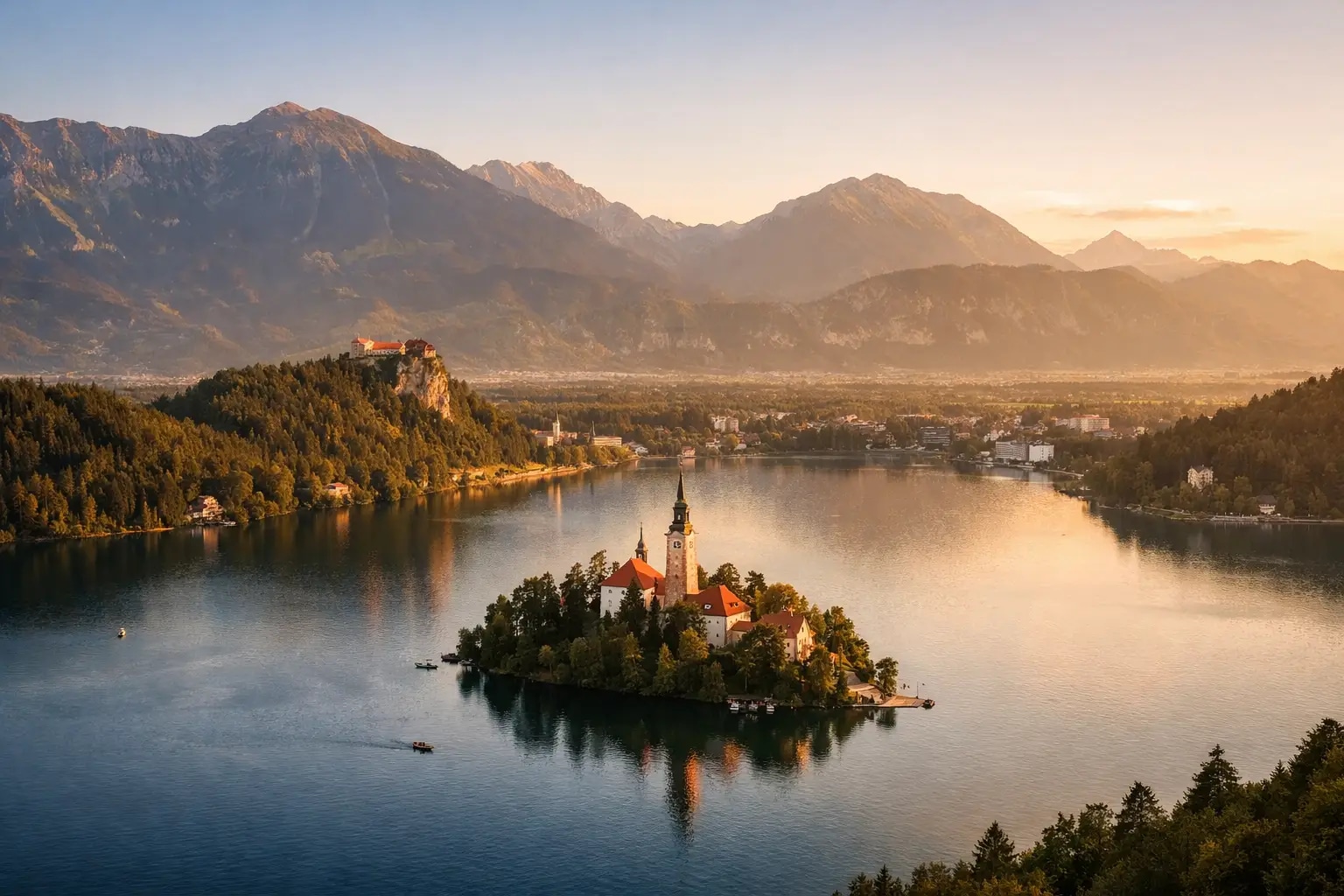
Bled is the place almost everyone sees first, and for good reason. The lake, the island church, the castle on the cliff - it all looks exactly how a short-break destination should look. If your trip is three or four days and you want something simple, scenic, and reliable, Bled makes sense.
It works especially well for couples, first-time visitors, and travelers who want a low-effort nature trip with good accommodation options. You can walk around the lake, rent a boat, head up to viewpoints, and still be back for dinner without turning the day into a hiking expedition.
But Bled also comes with the most obvious downside in Slovenia: popularity. In peak summer, it can feel crowded and polished. If that bothers you, stay nearby and visit early or late in the day instead of sleeping right in the center.
Lake Bohinj for a quieter, more natural stay
If Bled is the polished front room, Bohinj is where Slovenia breathes a little deeper. The lake is larger, the setting feels wilder, and the whole area is better for travelers who actually want time outdoors rather than just a beautiful photo stop.
Bohinj suits hikers, active couples, and families who prefer space over nightlife. It is also a strong choice if you are driving and want access to alpine scenery without paying Bled prices. Swimming, kayaking, cable car views, and hiking routes make it one of the most rounded nature bases in the country.
The compromise is convenience. Bohinj is less polished, less packed with restaurants, and not as immediately dramatic in the postcard sense. That is exactly why many people end up preferring it.
Soča Valley for mountain scenery that feels less touristy
When people ask where to go in Slovenia beyond the obvious names, the Soča Valley is usually the right answer. The river color alone is enough to justify the detour, but the wider area is what makes it memorable - mountain roads, small villages, outdoor sports, and a more rugged atmosphere than around Bled.
This is a better fit for travelers who like movement. Rafting, hiking, cycling, and scenic drives all make sense here. It is less ideal if you want a lazy vacation with lots of urban comforts nearby.
For Balkan travelers used to combining road trips with scenery, the Soča region often feels more rewarding than more famous resort-style spots. It asks for a bit more planning, but it gives more back if you enjoy active days.
Piran if you want Slovenia with a coastal mood
Slovenia’s coastline is short, which makes expectations important. If you are looking for long beach holidays, this is not the best country for that. If you want an Adriatic town with Venetian character, narrow streets, and a slow evening atmosphere, Piran is absolutely worth it.
Piran is best for couples, shoulder-season escapes, and travelers pairing coast with inland Slovenia. It is more about ambiance than beach comfort. You go for the old town, sea views, seafood dinners, and the feeling of being somewhere compact and historic.
In high summer, parking and crowds can be annoying, and families focused on easy beach access may find nearby bases more practical. Still, for charm, Piran punches above its size.
Kranjska Gora for an easy alpine base
Kranjska Gora works well for travelers who want mountain scenery without committing to a remote hiking trip. It is organized, accessible, and practical, with enough infrastructure to make a stay comfortable in both summer and winter.
For families especially, this matters. You get easy access to lakes, passes, short walks, and outdoor activities without constant logistical friction. It also suits travelers arriving by car from Austria or wider Central Europe who want Slovenia to feel straightforward from day one.
It is not the most romantic or most authentic place in the country, but it is one of the easiest to use well.
Maribor and eastern Slovenia for wine and a slower pace
Western Slovenia gets most of the attention, but eastern Slovenia deserves more consideration than it usually gets. Maribor is not trying to impress in the obvious way, and that helps. It is calmer, less tourist-driven, and a good entry point to wine roads, countryside stays, and thermal spa areas.
If your version of a good trip includes local food, vineyards, and less pressure to tick off landmarks, this part of Slovenia may suit you better than the classic alpine route. It is also useful for repeat visitors who want to see a different side of the country.
The downside is simple: if you only have two or three days and want iconic Slovenia, this is probably not where you start.
Ptuj for history without the capital-city pace
Ptuj is one of the oldest towns in Slovenia, and it feels older in the best way. The castle, red roofs, and riverside setting give it personality without the busier rhythm of Ljubljana. It works well as a stop on a road trip or a one- to two-night stay if you prefer historic towns over major attractions.
This is not a place for travelers chasing big-ticket highlights. It is for those who enjoy smaller places that are easy to absorb on foot. If your trips tend to be built around atmosphere, old centers, and good local meals, Ptuj is worth a look.
Postojna and Škocjan if caves are the point
Slovenia’s cave systems are not side attractions. They are major reasons to go. Postojna is more famous and more developed, while Škocjan feels more dramatic and less staged. Choosing between them depends on what kind of experience you want.
Postojna is easier for families and first-time visitors. Škocjan often leaves a stronger impression on travelers who prefer something that feels rawer and more monumental. If you have time, seeing one cave area paired with a nearby town or coastal stop makes more sense than trying to do too much in one day.
Where to go in Slovenia for different trip lengths
If you only have a weekend, keep it simple. Ljubljana and Bled are the easiest pair, especially if you are flying in and do not want long transfers. For a more relaxed version, switch Bled for Bohinj.
With four to five days, Slovenia starts to open up. A smart route might combine Ljubljana, one alpine base, and either the coast or the caves. This gives you contrast without turning the trip into constant packing and driving.
With a full week, you can be more selective. That does not mean adding every famous stop. It usually means choosing two regions and doing them properly - for example, Ljubljana plus Bohinj and the Soča Valley, or Bled plus Piran and the Karst region.
The biggest mistake in Slovenia is treating short distances like no distances. Yes, drives are manageable, but mountain roads, parking, and check-in rhythms still take time. A lighter plan often feels like a better vacation.
If you are still deciding where to go in Slovenia, start with one honest question: do you want your trip to feel scenic, active, urban, or slow? Slovenia can do all four, but not equally well in the same itinerary. Choose the version that fits how you actually travel, and the country becomes much easier to enjoy.
Ready for your next adventure?
Compare flights, accommodation and activities – ljetovanje.com helps you find the best deals for your perfect holiday.
ljetovanje.com
Travel expert and contributor for Ljetovanje.com