You notice it quickly in Slovenia: distances look small on the map, but the riding changes fast. A calm lakeside spin near Bled can turn into a serious alpine climb within an hour, and a relaxed wine-country day can end with a stiff gradient you did not quite bargain for. That is exactly why a good Slovenia cycling holiday guide matters. This is not a destination where you want to plan only by pretty photos.
For travelers from the Balkans and diaspora visitors flying in from Germany, Austria, Switzerland, or farther out, Slovenia works because it feels manageable. Roads are generally well kept, drivers are used to outdoor tourism, and the country is compact enough to combine mountains, valleys, and coast in one trip. But compact does not always mean easy. The best cycling holiday here depends on your fitness, the kind of bike you want to ride, and how much time you want to spend moving between bases.
Why Slovenia works so well for a cycling trip
Slovenia has one big advantage over larger cycling destinations: variety without constant transfer days. You can build a week around one region, or split your stay into two bases and still cover very different terrain. For many travelers, that is a better use of time than changing hotels every night.
The country also suits different riding styles unusually well. Road cyclists come for alpine climbs, quiet secondary roads, and big elevation days. Gravel riders get forest tracks, rural backroads, and less polished but more rewarding routes. Casual leisure cyclists have easier options around lakes, river valleys, and some dedicated cycling paths. Families can plan shorter stages, though Slovenia is better for active families than for very young kids who need flat, traffic-free riding all day.
What makes Slovenia especially appealing is that it rarely feels like a cycling theme park. It still feels lived in. You ride through villages, farm areas, wine hills, and real mountain passes instead of moving from one obvious tourist setup to the next.
Best regions in this Slovenia cycling holiday guide
If you are planning your first trip, choosing the right region matters more than choosing the perfect hotel. Slovenia is small, but the riding character changes sharply from area to area.
Julian Alps and Lake Bled
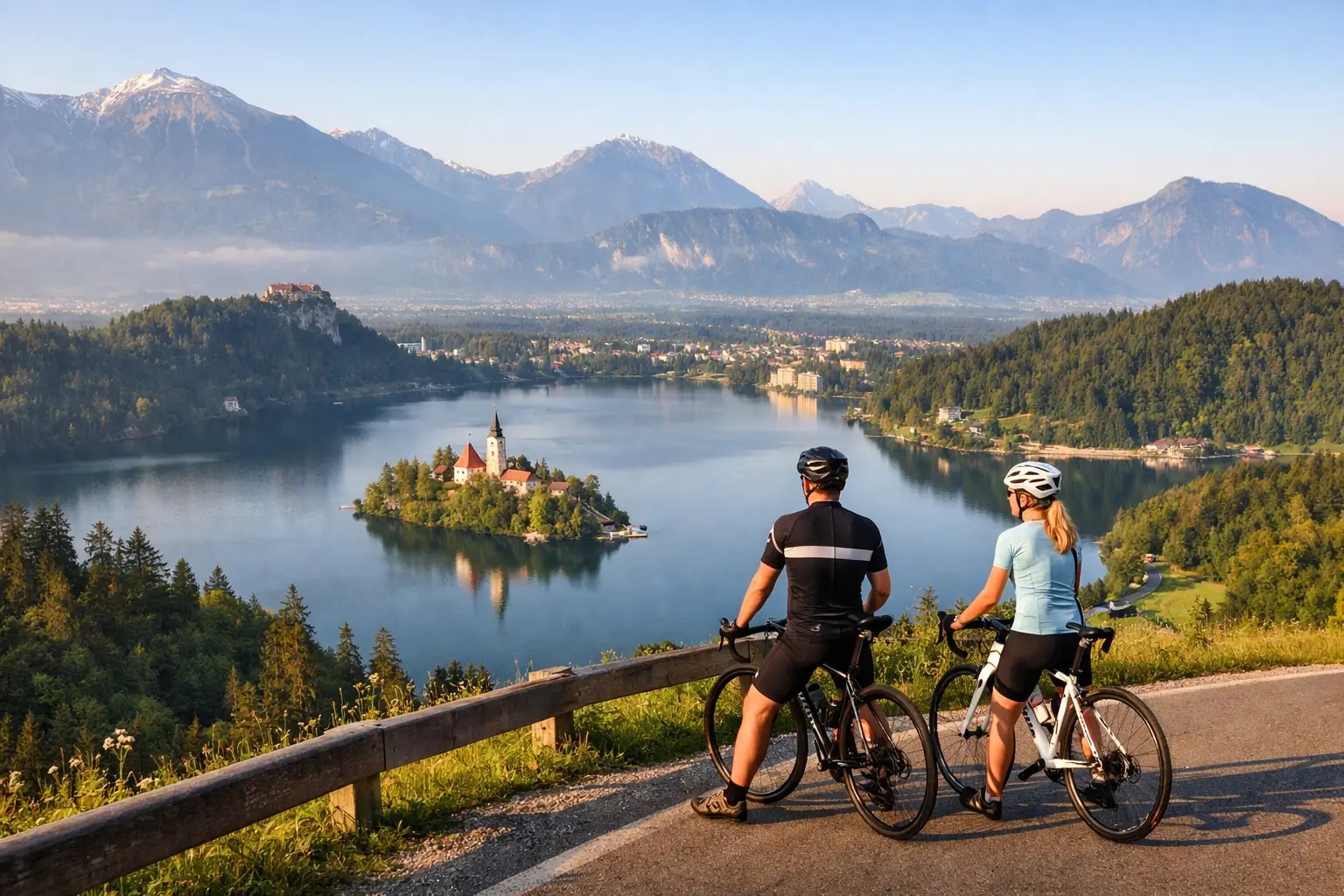
This is the classic choice, and for good reason. Bled gives you easy access to iconic scenery, decent tourism infrastructure, and a mix of gentle and demanding rides. You can warm up with shorter loops around Lake Bled and Lake Bohinj, then move toward tougher alpine roads if that is your goal.
The trade-off is obvious: this is one of the country’s busiest areas in peak summer. If you want quiet roads and lower prices, staying directly in Bled may not be ideal. A nearby base can make more sense.
Soča Valley
For many cyclists, this is where Slovenia gets interesting. The Soča Valley has dramatic scenery, cleaner lines on the road, and a slightly less polished feel than the Bled area. It suits riders who want mountain landscapes without being in the most obvious tourism hub.
It is especially strong for road and gravel riding, but you need to be honest about your legs. A route that looks moderate on paper can still include long climbs and technical descents. This is not the place to underestimate terrain.
Kranjska Gora and the northwest
This area works well if your trip is built around stronger road cycling. Mountain passes, border-region riding, and high-alpine scenery are the main draw. It is a good fit for riders who want challenge first and sightseeing second.
For beginners, though, it can feel demanding. If you want a holiday with one hard day and several easy days, there may be better bases.
Ljubljana and central Slovenia
If you want balance, Ljubljana is often overlooked. It gives you city access, easier logistics, and a good mix of day rides in different directions. This is useful for couples or groups where not everyone wants every day to be a full cycling day.
The riding is less dramatic than the alpine regions, but that is also the point. It is more flexible, often less expensive, and easier to combine with food, culture, and short transfers.
Wine regions and the southeast
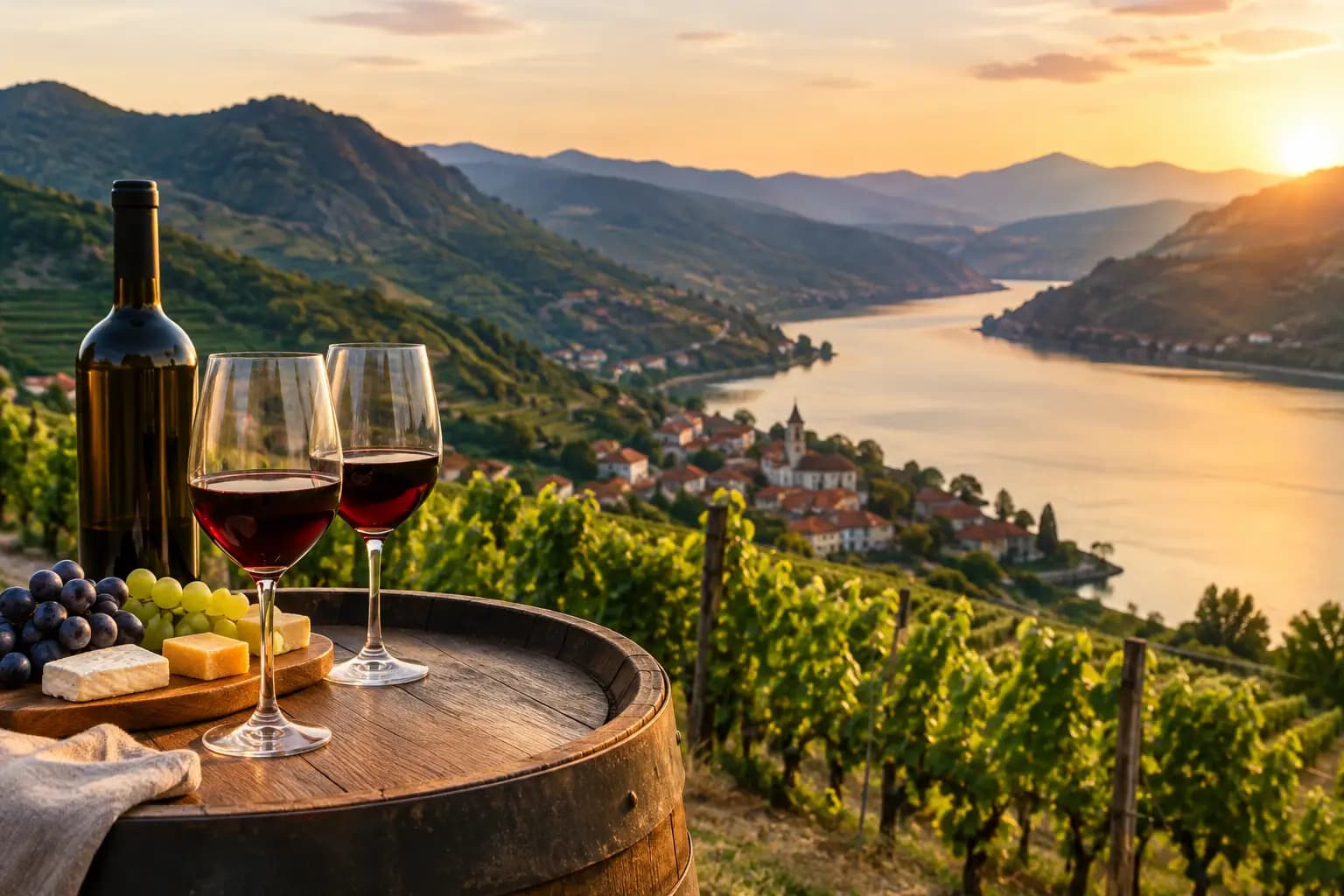
For a slower cycling holiday, this part of Slovenia deserves more attention. Rolling roads, vineyard landscapes, and lighter traffic can make for excellent touring. The climbs are still there, but they are usually more manageable than in the northwest.
This is a strong choice for couples, mixed-ability groups, and travelers who care as much about where they stop for lunch as how many vertical feet they climb.
When to go
The best time depends on the kind of riding you want. Late spring and early fall are usually the smartest picks. May, June, and September often give you the best balance of temperatures, road conditions, and crowd levels.
July and August can still work, especially if that is when your family schedule allows travel. But popular areas become more crowded, accommodations cost more, and midday heat can make harder climbs much less enjoyable. If you are traveling in peak summer, start early and plan shorter rides.
April can be beautiful in lower regions, though high mountain routes may still be unpredictable. October can be excellent for wine-country riding, but daylight gets shorter and alpine weather becomes less reliable. In Slovenia, a small forecast change can affect an entire riding day.
Choosing the right bike for Slovenia
A road bike is ideal if your plan centers on alpine roads, major climbs, and smoother paved routes. A gravel bike is arguably the most versatile choice if you want freedom to take secondary roads, forest sections, and quieter detours. If you are not chasing speed, gravel often gives the better holiday experience.
An e-bike changes the trip completely, especially for couples with different fitness levels. In Slovenia, that can be a smart decision rather than a compromise. It lets you enjoy tougher regions without turning every day into a test.
If you are bringing your own bike, check airline fees and transfer logistics carefully. For shorter trips, renting locally can be easier. For longer trips, your own setup may still be worth the effort, especially if fit and comfort matter to you.
Real planning questions people forget to ask
The first is not where to ride, but where to sleep. A cycling holiday in Slovenia works best when you reduce unnecessary moving. Two bases in a week is often enough. Three can be fine. More than that usually starts eating into your riding time.
The second is how you will handle weather. In mountain regions, one stormy day can force a complete route change. Build your itinerary with some flexibility. Do not schedule every day as if conditions will be perfect.
The third is transfer practicality. If you are flying in, Ljubljana is usually the simplest gateway, but depending on your route, nearby airports in surrounding countries can also make sense. For diaspora travelers already doing a broader Balkan or Central European trip, Slovenia fits well as one strong cycling segment rather than a standalone two-week stay.
Costs and what to expect
Slovenia is not the cheapest cycling destination in the region, but it often justifies the price with easier logistics and consistent quality. In major tourist areas, summer accommodation can feel expensive for what you get, especially near Bled. Smaller towns and inland bases usually offer better value.
Food is not usually the problem. You can still eat well without overspending, especially if you mix restaurant meals with bakery stops, grocery runs, and simple local spots. For cyclists, that matters more than people admit. A destination becomes much more affordable when lunch does not need to be a full sit-down production every day.
Rentals, guided tours, and luggage transfer services can raise the budget quickly. Whether they are worth it depends on your style. If you like independence and can read routes confidently, self-planning is realistic here. If this is your first cycling holiday in a mountain destination, a bit of support may save you both time and stress.
A practical 5 to 7 day approach
For first-timers, the smartest structure is usually one alpine base and one softer, more flexible base. That could mean a few days around Bled or the Soča Valley, followed by a few days in central or wine-region Slovenia. You get the headline scenery without spending the whole week grinding through climbs.
If your fitness is strong and the trip is bike-first, you can stay in the northwest for the entire holiday. If you are traveling as a couple and only one of you is fully committed to hard riding, split the trip more strategically. Slovenia rewards honest planning much more than ambitious planning.
Final advice from this Slovenia cycling holiday guide
The best Slovenia cycling holiday is usually not the one with the biggest climbs or the longest route file. It is the one paced well enough that you still want to get back on the bike the next morning. Leave room for weather, for long lunches, for an unplanned stop in a small town that was not on your list. In Slovenia, that is often where the trip starts feeling less like logistics and more like a real holiday.
Ready for your next adventure?
Compare flights, accommodation and activities – ljetovanje.com helps you find the best deals for your perfect holiday.
ljetovanje.com
Travel expert and contributor for Ljetovanje.com