You can do Transylvania badly in three days - rush from Bran to Brasov, buy a Dracula souvenir, post one foggy castle photo, and leave thinking you have seen it. A better transylvania travel guide starts with a simple truth: this region is not one attraction. It is a patchwork of medieval towns, mountain roads, fortified churches, Saxon villages, and cities that still feel lived in, not staged.
For travelers from the Balkans and diaspora visitors coming from Western Europe or the US, that matters. Transylvania is close enough for a road trip, affordable compared with many Western European breaks, and varied enough to work for couples, families, and travelers who want culture without spending the whole trip in museums. The catch is that distances, seasons, and expectations shape the experience more than people think.
How to use this Transylvania travel guide
The smartest way to plan Transylvania is to choose a base style first, not just a list of sights. If you want a city break with easy day trips, Brasov or Sibiu make the most sense. If you want a broader route with more road time, combine Brasov, Sighisoara, and Cluj-Napoca. If your priority is scenery and mountain driving, the Carpathians and the Transfagarasan area deserve more attention than another castle stop.
This is where many itineraries go wrong. On a map, everything looks close. In practice, roads can be slower than expected, parking in old towns is not always effortless, and some of the most memorable places are the ones between the headline stops.
Where to go in Transylvania
Brasov for a first trip
Brasov is the easiest starting point for most travelers. It has a postcard-ready old town, enough restaurants and cafes to keep evenings relaxed, and straightforward access to Bran, Rasnov, and mountain areas nearby. If you are visiting Transylvania for the first time, this is usually the safest base.
It is also one of the more practical choices for families and shorter trips. You can see a lot without constantly changing hotels, which matters if you are driving in from Serbia, Croatia, or Bosnia and want less friction once you arrive.
Sibiu for atmosphere and a slower pace
Sibiu feels more composed than Brasov. The architecture is elegant, the center is easy to walk, and the city works well for travelers who prefer long dinners, good day trips, and fewer crowds. It is less about ticking off attractions and more about enjoying the rhythm of the place.
If you are deciding between Brasov and Sibiu, the difference is simple. Brasov is better for classic first-time sightseeing. Sibiu is better if you want a calmer base with strong food, culture, and access toward the mountains.
Sighisoara for one night, not three
Sighisoara is beautiful, compact, and worth seeing. It is also small. Many people overestimate how much time they need there. One night is usually enough unless you are building a slower rural route through the region.
That is not criticism - it is planning reality. Sighisoara works best as part of a broader itinerary, especially if you are moving between Brasov and Cluj-Napoca.
Cluj-Napoca for a modern city break
Cluj-Napoca does not fit the old-school Transylvania fantasy in the same way as Brasov or Sibiu, but that is exactly why some travelers prefer it. It is youthful, lively, and more urban. If you want nightlife, cafes, and a city that feels current rather than preserved, Cluj has a different energy.
For a pure Transylvania first-timer, it is usually not the only stop. But for return visitors or travelers combining cities with road trips, it adds balance.
What is actually worth seeing
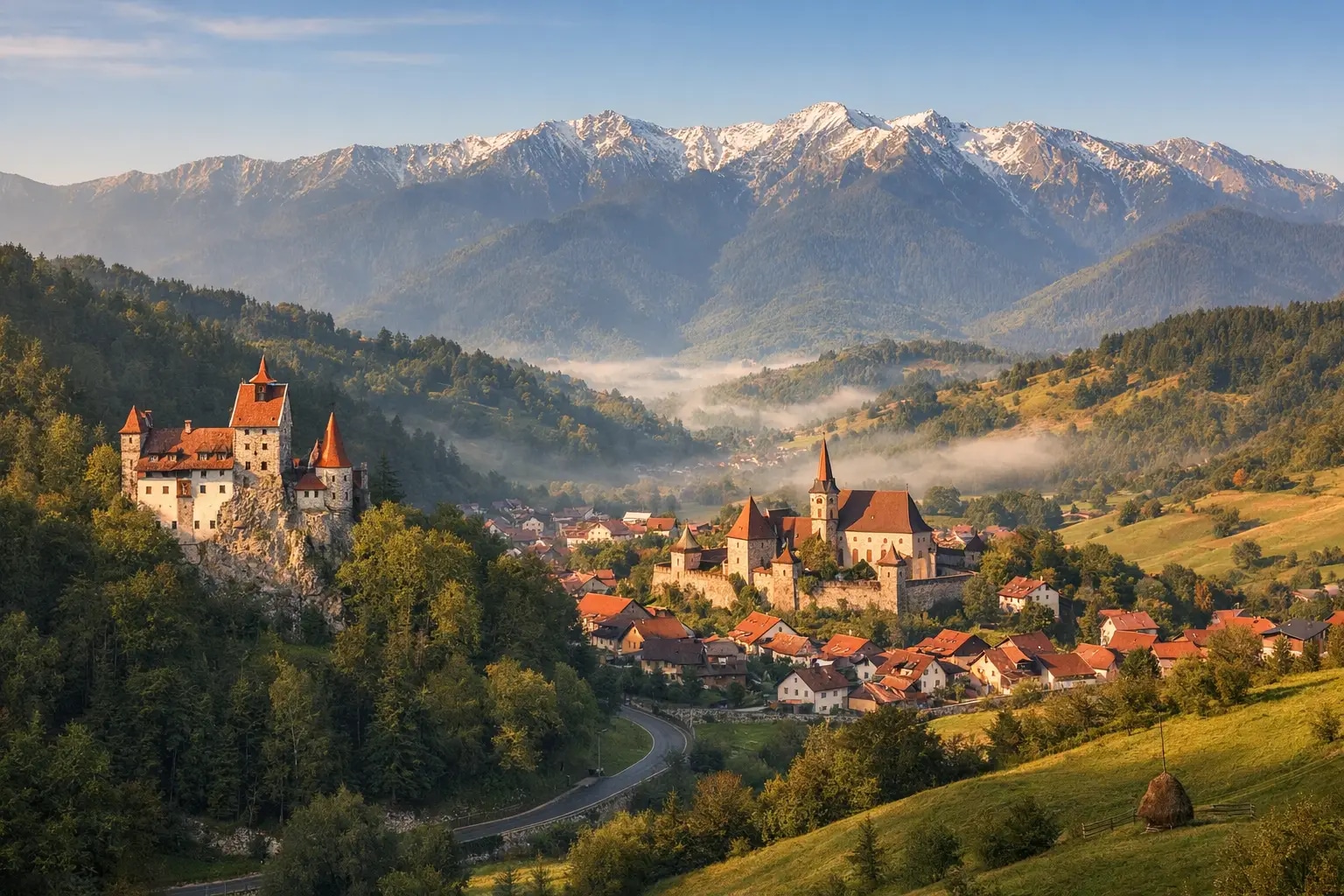
Bran Castle gets the attention, and yes, it is worth visiting if you accept it for what it is - a dramatic castle with a strong tourism machine around it. The mistake is making it the emotional center of the trip. Transylvania is stronger when you treat Bran as one stop, not the whole story.
Brasov's old town, the Black Church area, and the surrounding mountain backdrop leave a more lasting impression for many people. Sibiu's squares and rooftops are equally memorable in a quieter way. Sighisoara stands out because it still feels compact and intact rather than expanded for modern tourism.
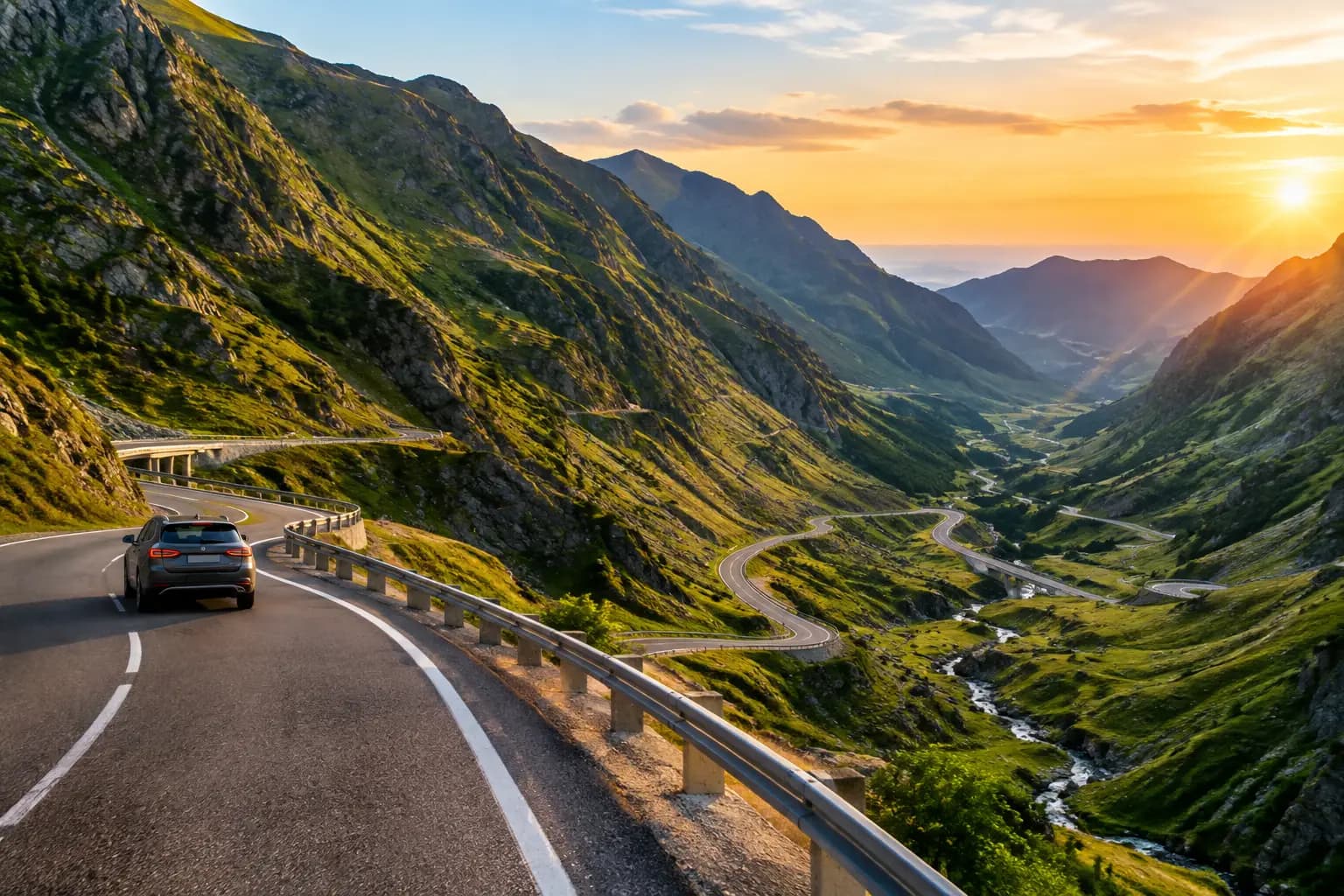
Then there are the places that often make a trip feel more personal: rural villages, fortified churches, and the stretches of road where the scenery changes from soft hills to serious mountain views. If you have your own car, those in-between moments are part of the reason to come.
When to go - and what changes by season
Late spring through early fall is the easiest period for most travelers. May, June, and September are especially good if you want mild weather and fewer crowds than peak summer. July and August are lively, but town centers are busier and accommodation prices can rise in the most popular bases.
Winter changes the mood completely. Christmas markets in cities like Sibiu and Brasov can be a strong reason to visit, and nearby mountain areas add another layer if you want snow. But winter is less flexible for road-based exploring, and short daylight hours make fast itineraries feel even faster.
If your main goal is scenic driving, especially in mountain areas, check seasonal road conditions carefully. Some routes people associate with Romania are not equally practical year-round.
How many days you really need
For a short trip, three to four nights is enough for one base and a few day trips. This works well for travelers flying in or driving from nearby countries who do not want to spend the whole break unpacking and repacking.
For a proper regional route, five to seven nights is the sweet spot. That gives you time for two or three bases, some flexibility for weather, and at least one day that is not overplanned. Transylvania rewards breathing room. If every day is timed to the minute, the trip can feel like logistics instead of travel.
Getting there and getting around
For US-based travelers, the easiest route is usually to fly into Bucharest and continue inland, or to use another major Romanian airport depending on your itinerary. For diaspora travelers coming from Germany, Austria, Switzerland, or other parts of Europe, a mix of low-cost flights and road travel often makes sense.
Once you are in the region, the transport question is simple. If you want flexibility, rent a car. Public transportation works between major cities, but it is less convenient if your plan includes villages, scenic detours, or multiple smaller sites in one day.
Driving is not difficult in the old towns themselves if you plan parking in advance, but mountain and rural routes take longer than many navigation apps suggest. Build in extra time. That is not just a comfort issue - it affects whether a day feels enjoyable or exhausting.
Where to stay
Small apartments, guesthouses, and boutique hotels usually fit Transylvania better than large generic properties. In cities like Brasov and Sibiu, staying close to the old center saves time and makes evenings much easier. You can walk out for dinner instead of negotiating parking again.
In rural areas, the trade-off is different. You get more quiet, more character, and often better value, but you become more dependent on the car and less spontaneous with meals or evening plans. For couples, that can be ideal. For families with young kids, a central city base is often simpler.
Food, budget, and the reality on the ground
Transylvania is still good value by broader European standards, though popular spots are no longer as cheap as older travel guides suggest. A comfortable mid-range trip is realistic without overspending, especially if you avoid peak weekends and book early in the most in-demand towns.
Food is another reason not to rush. Romanian meals in this region are filling, meat-heavy in many places, and often best in traditional restaurants that do not look polished from the outside. At the same time, cities like Cluj and Sibiu give you more modern dining options if you want a break from heavier local dishes.
The only thing to watch is timing. In smaller places, lunch and dinner rhythms can be less forgiving than in bigger tourist capitals, so it helps to eat before you are desperately hungry and stuck with the nearest option.
A practical route that works
If you want a balanced first trip, start with two nights in Brasov, continue with one night in Sighisoara, and finish with two nights in Sibiu. That gives you classic landmarks, medieval town atmosphere, and a more relaxed finish. If you prefer one base only, choose Brasov and keep the schedule lighter.
If you are traveling with kids, fewer hotel changes usually win. If you are traveling as a couple and enjoy road trips, splitting the stay across two or three places makes the region feel richer. It depends less on what is "best" and more on how you like to travel when the driving day is over.
A good Transylvania trip is not built around vampire clichés or maximum sightseeing efficiency. It works when you leave space for old towns after dark, long coffee stops, mountain weather, and the kind of detours that do not fit neatly into a checklist. Plan it with a practical head, but leave a little room for the road to surprise you.
Ready for your next adventure?
Compare flights, accommodation and activities – ljetovanje.com helps you find the best deals for your perfect holiday.
ljetovanje.com
Travel expert and contributor for Ljetovanje.com