You usually notice missing travel documents at the worst possible moment - airport check-in, a land border crossing at midnight, or the rental car desk after a long flight. If you are wondering what documents for Balkan travel you actually need, the short answer is this: it depends on your passport, your route, and whether you are flying, driving, or traveling with children.
That is exactly why Balkan travel catches people out. The region is close-knit geographically, but not administratively. A trip that looks simple on the map can involve different entry rules, insurance expectations, and vehicle paperwork from one border to the next. For diaspora travelers coming from the US, Germany, Austria, or Switzerland, that matters even more because you are often combining a holiday with family visits, road trips, and multiple stops.
What documents for Balkan travel matter most
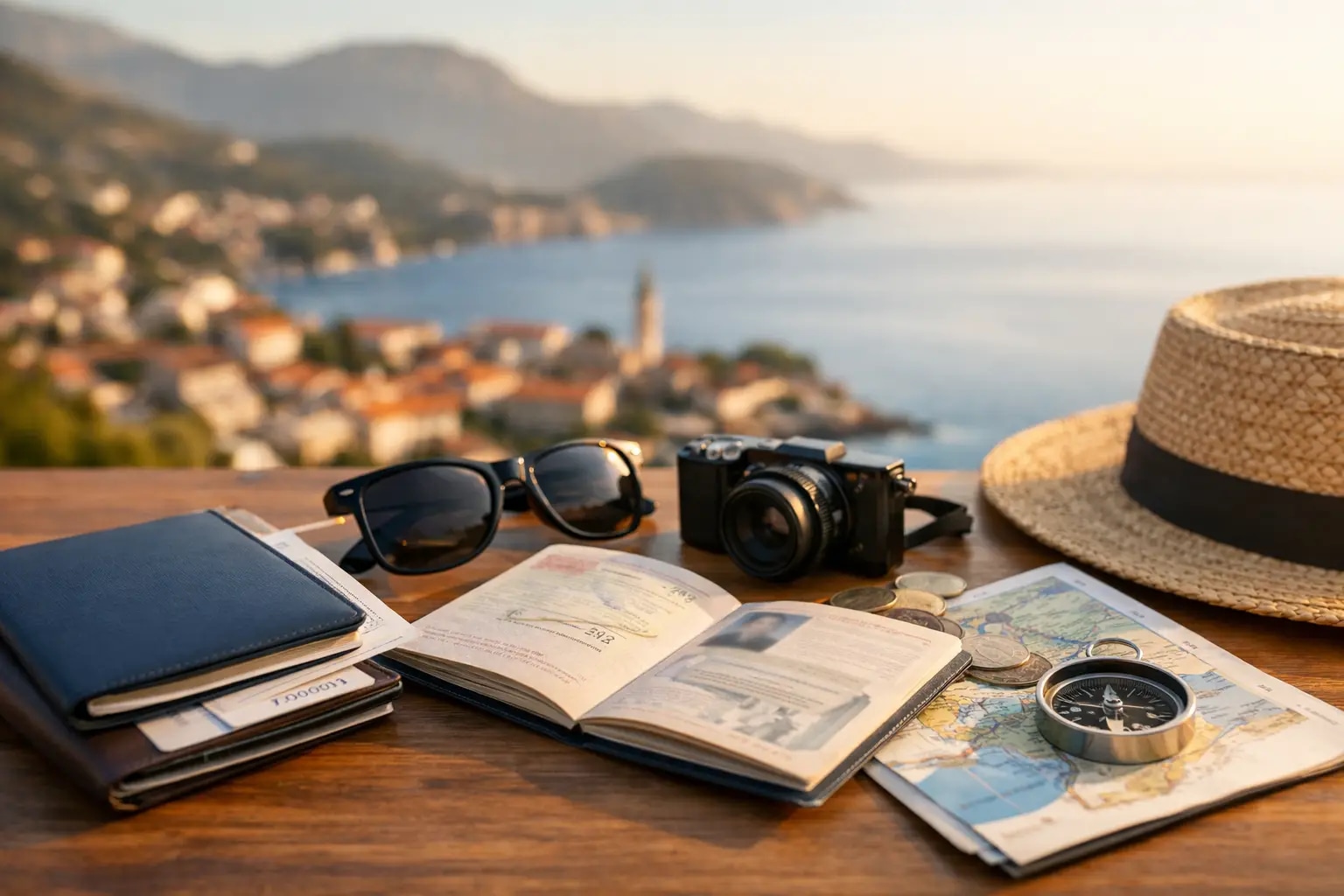
Start with the one document that overrides everything else: your passport. For most non-Balkan residents and diaspora travelers, a valid passport is the safe baseline even if some countries may allow entry with an ID card for certain nationalities. If you are crossing several borders in one trip, relying on the most flexible document is usually the smarter move.
The second point is passport validity. Many travelers assume that if the passport is valid on the day of arrival, they are fine. Border authorities often expect more than that. A common rule is that your passport should remain valid for at least three to six months beyond your planned departure date. Not every country applies the same standard in the same way, but treating six months as your personal minimum removes a lot of risk.
Then comes the visa question. Some travelers do not need a visa for short stays in many Balkan countries, while others do. This is where nationality matters more than destination popularity. A US passport holder, a Serbian passport holder living in Chicago, and a Bosnian citizen with German residence may all face different requirements depending on where they are going and how long they plan to stay. Never assume one rule covers the whole region.
Passport, ID card, or both?
For regional travelers, especially those with citizenship in an EU or Western Balkan country, the temptation is to travel light with just a national ID card. Sometimes that works. Sometimes it creates unnecessary friction, particularly if you are transiting through airports, renting a car, or entering a country with stricter identification checks.
In practice, carrying both a passport and your national ID card is often the best setup if you have them. The passport is your primary travel document. The ID card is useful backup for hotels, local identification, and situations where you do not want to carry your passport around all day.
If you hold dual citizenship, be consistent about which passport you use for entry and exit. Mixing documents can create confusion in border records, especially on multi-country itineraries.
Visa rules are not regional rules
One of the most common planning mistakes is treating the Balkans as a single travel zone. It is not. Some countries are in the EU, some are not. Some are in Schengen, some are not. That affects not just visas but also how entry is recorded and what kind of overstay issues can appear.
For example, a traveler may move easily between certain countries and then hit a completely different rule at the next border. If your plan includes Croatia, Montenegro, Albania, or North Macedonia in one trip, you should check each country individually rather than relying on a general Balkan assumption.
This matters even more for longer summer stays. Many diaspora families stay for several weeks, split time between the coast and inland family visits, and cross borders more than once. A visa-free short stay in one country does not automatically mean the same allowance elsewhere.
If you are driving, your paperwork changes
Flying into the region is one thing. Driving across it is another. Road trips are common because they make sense - more luggage, more flexibility, easier family visits, and often better value for groups. But the document checklist gets longer fast.
You will usually need your driver’s license, passport, vehicle registration, and proof of car insurance. If the car is not registered in your name, carry written authorization from the owner. If it is a company car or a leased vehicle, check in advance whether cross-border use is allowed and what proof you need.
Insurance is where people get sloppy. Your domestic policy or rental agreement may not automatically cover every Balkan country on your route. Some border crossings may ask for proof of international motor insurance or country-specific coverage. Even when nobody asks, that is not the same as being properly covered.
Rental cars deserve extra attention. Many rental companies restrict travel into certain countries or charge extra for cross-border permission. You do not want to learn that at the border with a line of cars behind you.
Do you need an international driving permit?
Sometimes yes, sometimes no. It depends on your license country and where you are driving. Many travelers can drive with their regular license, but an international driving permit is cheap, easy to carry, and helpful if local authorities or rental desks want a translated format. It is not always legally required, but it can reduce hassle.
Traveling with children means extra checks
Family travel across the Balkans often looks simple until one parent is missing from the trip. Border officials may ask for additional proof when a child is traveling with only one parent, with grandparents, or with family friends.
The safest approach is to carry the child’s passport and a consent letter from the absent parent or legal guardian if applicable. Some countries may want that consent notarized or formally translated, especially if surnames differ. Not every officer asks for it, but if one does, you will be glad you packed it.
Birth certificates can also help when family names do not match or when guardianship questions come up. You may never need them. That is fine. They are still worth having in your folder or as secure digital copies.
Health insurance and travel insurance are not optional in practice
Legally, travel insurance is not always mandatory. Practically, it is one of the smartest documents to carry. Medical care standards vary, private clinics are common in tourist areas, and unexpected treatment can get expensive faster than people expect.
If you are visiting family and staying in one place, you may think you can skip it. That is the exact mindset that turns a minor injury, stomach issue, or driving accident into a budgeting problem. Carry your health insurance card if it applies, but do not assume it covers everything abroad. A separate travel policy with medical coverage, trip interruption protection, and roadside support is often the safer choice.
Keep a copy of the policy number and emergency contact details with you, not just buried in your email inbox.
Keep digital and paper copies
Phones die. Roaming fails. Airport Wi-Fi is unreliable when you need it most. That is why document backup still matters.
Carry printed copies of your passport identity page, travel insurance, accommodation confirmations, and return or onward travel details. Keep digital copies in a secure cloud folder and on your phone. If you lose the original documents, replacement gets much easier.
Do not pack everything in one bag. Split originals and copies between bags if possible, especially on longer trips involving buses, ferries, or multiple overnight stops.
The documents people forget most often
Most problems do not come from forgetting a passport. They come from smaller things that seem unimportant until someone asks for them.
That usually means proof of travel insurance, consent letters for minors, car authorization documents, and visa or residence permits for the country you are returning to. Diaspora travelers should pay special attention to that last one. If you live in the US or Western Europe but travel on a Balkan passport, border staff may also want to see proof that you can legally re-enter your country of residence.
Accommodation details can matter too. Some border officers ask where you are staying, especially if your trip looks open-ended. A booking confirmation, family address, or written itinerary is usually enough.
A realistic checklist before you leave
Before any Balkan trip, check your passport validity, visa status for every country on your route, health and travel insurance, and all car-related paperwork if you are driving. If children are traveling, review consent requirements early rather than the night before departure.
That may sound like over-preparing, but Balkan travel often mixes holiday logic with family logic. You are not always going from one resort to another. You might land in one country, drive through another, stay with relatives, head to the coast, and return by a different route. The more flexible the trip, the more document discipline helps.
The good news is that once your paperwork is in order, the rest feels much easier. You stop second-guessing every border, every rental desk, and every check-in counter - and that is exactly how travel in this region should start.
Ready for your next adventure?
Compare flights, accommodation and activities – ljetovanje.com helps you find the best deals for your perfect holiday.
ljetovanje.com
Travel expert and contributor for Ljetovanje.com