Some Adriatic places look perfect in photos, then feel overcrowded, expensive, or harder to reach than expected. That is why choosing the best small towns on Adriatic coast is less about postcard beauty and more about fit - who you’re traveling with, how you’re arriving, and what kind of summer you actually want.
For travelers from the Balkans and diaspora alike, that difference matters. A couple flying in for four nights, a family driving from Austria, and someone combining beach time with a visit to relatives will not choose the same town. The Adriatic has no shortage of beautiful spots, but the smaller towns are where the coast often feels more personal, more manageable, and more worth repeating.
What makes a small Adriatic town truly worth it?
A good small town on the Adriatic usually gets four things right. It has a coastline that is pleasant without needing a full-day excursion, a center you can walk without effort, enough apartments and konobas to keep things simple, and access that does not turn arrival day into a logistical problem.
That last point is often overlooked. Some places are lovely but better for people arriving by car. Others work surprisingly well for short trips because they are close to an airport, a ferry port, or a major coastal road. If you are booking around school holidays or traveling in late July and August, that practical side matters almost as much as the beach.
Best small towns on Adriatic coast for a quieter, smarter summer
Cavtat, Croatia
Cavtat is one of the easiest recommendations on the Adriatic for travelers who want a polished, low-stress base. It has a waterfront promenade, clear swimming spots, good restaurants, and a more relaxed rhythm than Dubrovnik, without feeling empty or sleepy.
Its biggest advantage is access. If you are flying in, especially from Western Europe, staying here makes more sense than forcing yourself into Dubrovnik’s old town prices and crowds. For couples and shorter summer breaks, Cavtat is one of the strongest options on the whole coast.
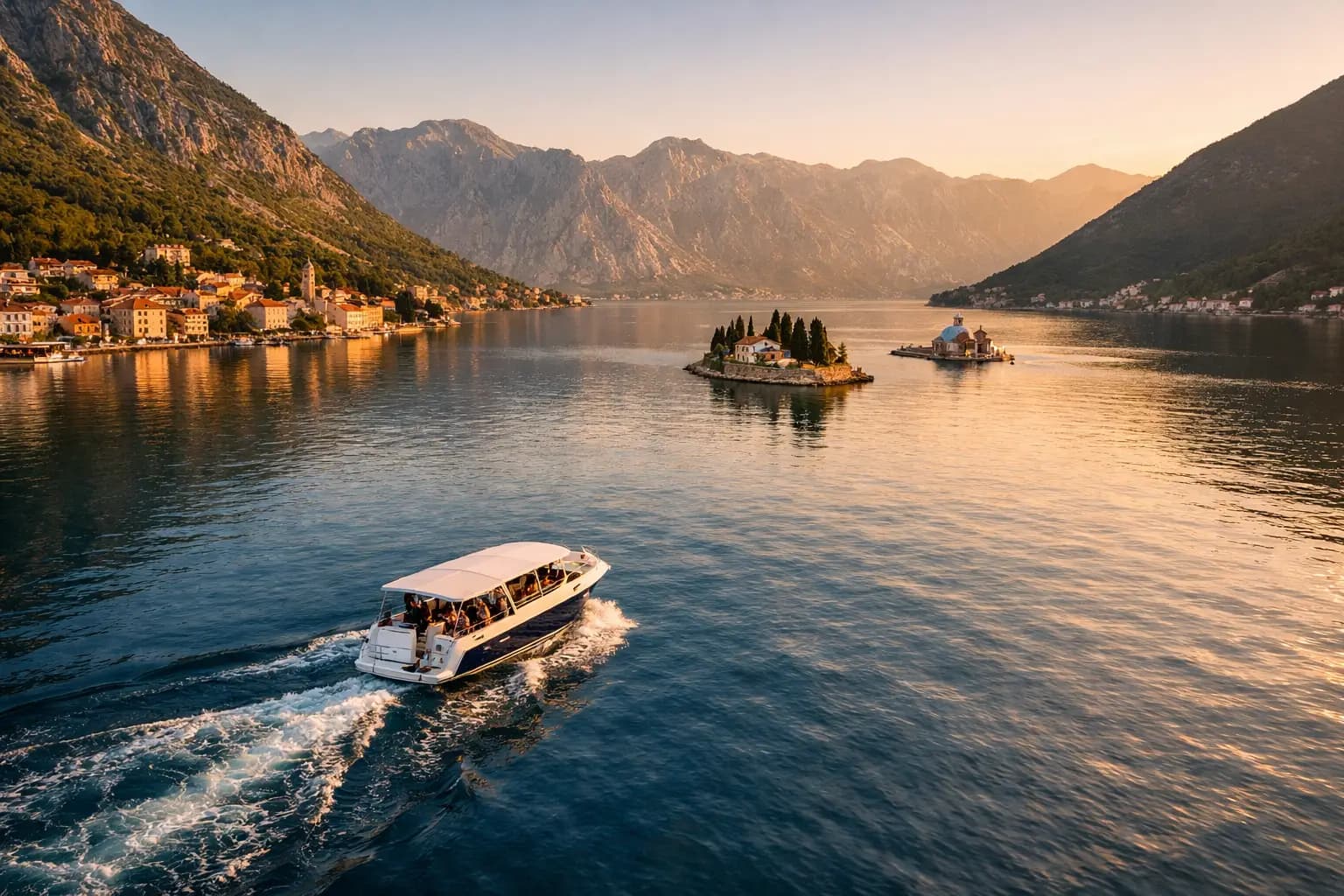
Perast, Montenegro
Perast is small in the strictest sense. You are not coming here for nightlife or a packed itinerary. You are coming for stone houses, a calm bay setting, and a place that feels older and slower than most of the coast.
The trade-off is obvious - it is beautiful, but it is tiny. That makes it better for a one- or two-night stay, or for travelers who genuinely want quiet. Families with teenagers may find it too still, while couples tend to love it.
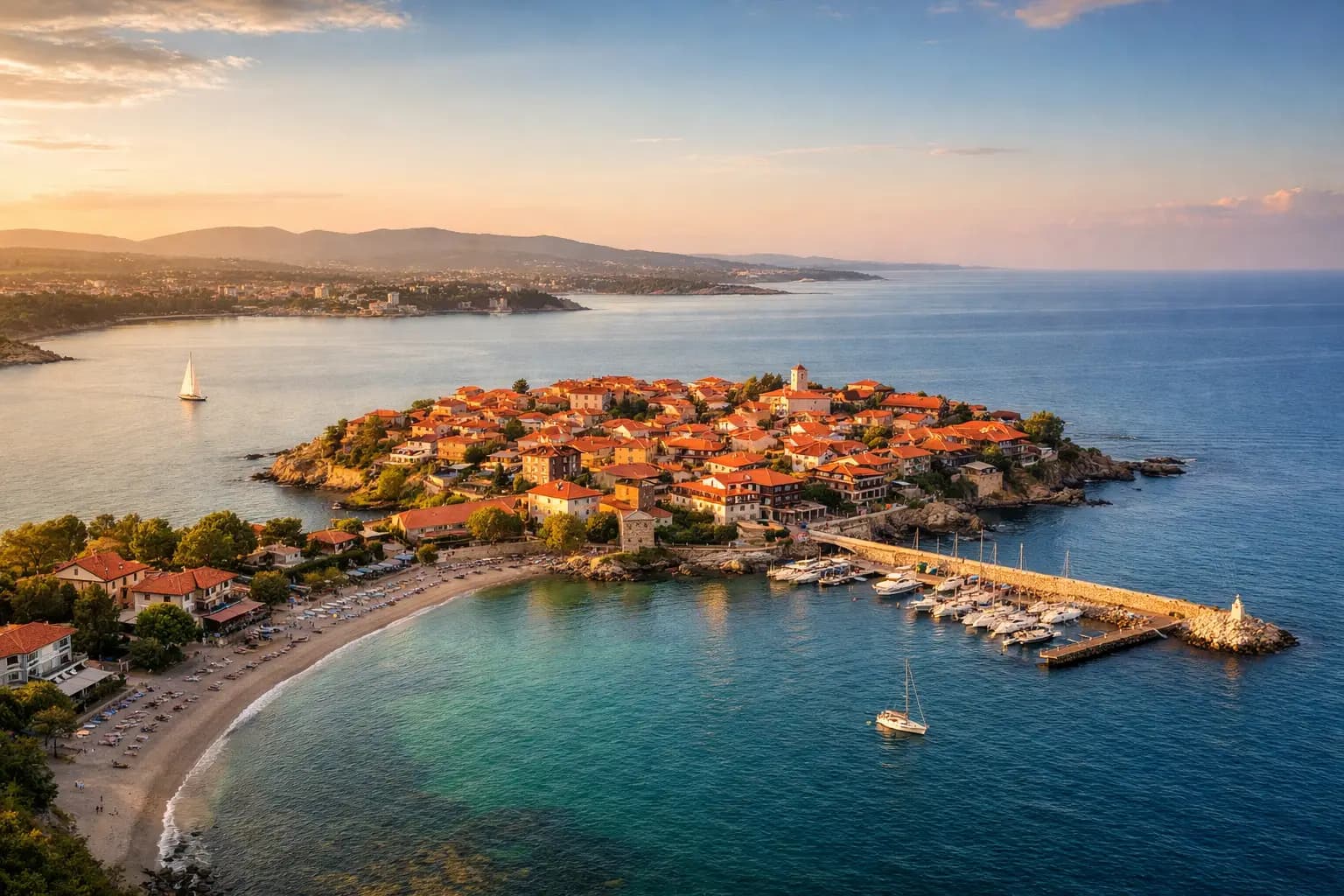
Primošten, Croatia
Primošten gets the balance right. It looks distinctive, with its compact old-town peninsula and stone streets, but it is also practical. Beaches are close, the atmosphere is lively without being chaotic, and it works well for both drivers and travelers combining several Dalmatian stops.
It is especially good for people who want a classic Croatian coastal feel without stepping into the busiest headline destinations. In peak season it is not exactly hidden, but it still feels more manageable than larger neighbors.
Petrovac, Montenegro
Petrovac is often overshadowed by louder names, which is part of its appeal. It has a straightforward beach-town feel, a walkable center, and a pace that suits families well. If your priority is a simple summer where everything is close and daily costs stay more reasonable, Petrovac deserves attention.
It is not the most dramatic town on this list, and that is fine. Some travelers want beauty with convenience, not beauty with effort. Petrovac usually delivers that.
Rovinj, Croatia
Rovinj is no secret, but it still belongs here because it keeps its charm better than many popular destinations. The old town rises directly from the sea, the lanes are atmospheric, and the surrounding coast offers plenty of swimming spots.
The only reason to hesitate is budget. In high season, Rovinj can be expensive compared with other small towns on the Adriatic. If you are traveling in June or September, though, it becomes much easier to justify. For many people, that is the sweet spot.
Herceg Novi, Montenegro
Herceg Novi feels more lived-in than curated, which many regional travelers actually prefer. The town has stairs, layers, old fortifications, and a long seafront that works well for evening walks. It is not as polished as some Croatian favorites, but it has character and better value than many better-known alternatives.
This is a strong choice if you want a real town first and a resort second. It also works well for travelers entering through the Bay of Kotor area but wanting somewhere less manicured.
Brela, Croatia
Brela is ideal for travelers who care more about sea and scenery than old-town atmosphere. The beaches are among the strongest on the Adriatic, with pine shade, clear water, and a long coastal walkway that makes the whole stay feel easy.
It is particularly good for families and couples who want a beach holiday without needing much else. If you want more nightlife or urban energy, you may prefer a larger base nearby. But if your definition of a good vacation is swim, lunch, rest, repeat, Brela is hard to argue against.
Stari Grad, Hvar Island, Croatia
If Hvar town feels too obvious or too expensive, Stari Grad is the smarter island choice. It has history, a calmer harbor, and a more grounded atmosphere. You still get the appeal of the island, but in a way that suits longer stays and travelers who do not need the social scene.
The ferry logistics mean it works best for people planning ahead rather than improvising day by day. That said, once you arrive, it is one of the most rewarding small-town bases on the Croatian coast.
Tivat, Montenegro
Tivat divides opinion, which is exactly why it is worth mentioning honestly. Parts of it are polished and modern, and not everyone wants that on the Adriatic. But from a practical travel perspective, it makes a lot of sense. The airport is close, the waterfront is accessible, and it can be a very efficient base for exploring the bay.
If you want old-stone romance, choose Perast. If you want convenience, good infrastructure, and an easy arrival, Tivat is often the better answer.
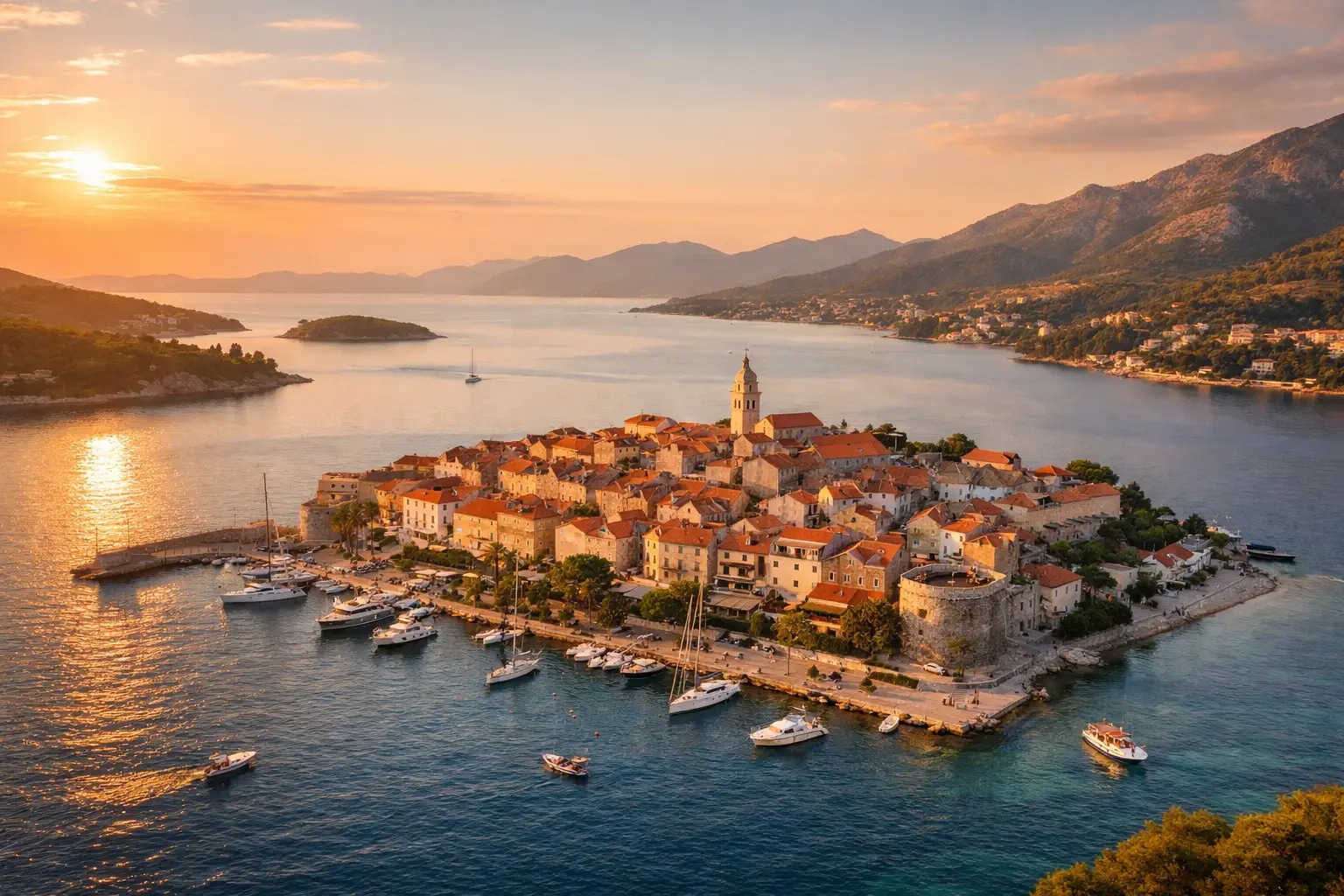
Orebić, Croatia
Orebić has a quieter Pelješac identity that many repeat visitors appreciate. It gives you beaches, sea views toward Korčula, and a more relaxed base than the island towns directly across the channel. It is well suited to travelers arriving by car and staying for a week rather than a quick weekend.
What makes it appealing is space. Even in summer, it can feel less compressed than more famous Dalmatian towns. For families, that often translates into a better holiday.
Ulcinj Old Town area, Montenegro
Ulcinj is not small in the same neat, polished way as Cavtat or Primošten, but parts of it still offer the kind of layered coastal experience many travelers are looking for. The old town has a different character from much of the Adriatic - more rugged, more mixed, less staged.
It is a better choice for travelers who enjoy variety and do not need everything to feel curated. The wider area also gives you more beach options than many compact towns on this list.
Novigrad, Croatia
Novigrad tends to be underestimated because Istria has stronger headline names. That works in its favor. It is tidy, walkable, and easy to enjoy, with a compact center and a waterfront that feels relaxed rather than performative.
It is a particularly good option for travelers driving in from Central Europe or combining several Istrian stops. You may not come home saying it was the most dramatic town you have ever seen, but you are quite likely to say the trip worked.
How to choose the right town for your trip
If you are traveling as a couple, Cavtat, Perast, and Stari Grad usually give the strongest mix of atmosphere and ease. For families, Brela, Petrovac, and Orebić are often safer bets because the daily rhythm is simpler and the space feels more forgiving.
If airport access matters most, Cavtat and Tivat stand out. If you are driving from Germany, Austria, Slovenia, or inland Croatia and want to avoid overcomplicating things, Istrian towns like Rovinj and Novigrad are often easier than deep southern routes in peak season.
Timing also changes the answer. In July and August, the best town may be the one that still feels functional under pressure. In June and September, more places open up because prices soften, roads are easier, and even popular towns regain some breathing room.
A quick reality check before you book
No Adriatic town is perfect for everyone. The prettiest place may have difficult parking. The easiest base may lack that old-town feel. The quietest village may leave you driving every evening for dinner or a better beach.
That is why the best choice is rarely the most famous one. It is the town that matches your route, your budget, and your actual summer habits. For many travelers, especially those planning from abroad and trying to get it right in one booking window, that practical match matters more than chasing the place everyone else posted last August.
The Adriatic rewards people who choose well, not just widely. Pick a town that makes your days easier, and the coast usually does the rest.
Ready for your next adventure?
Compare flights, accommodation and activities – ljetovanje.com helps you find the best deals for your perfect holiday.
ljetovanje.com
Travel expert and contributor for Ljetovanje.com