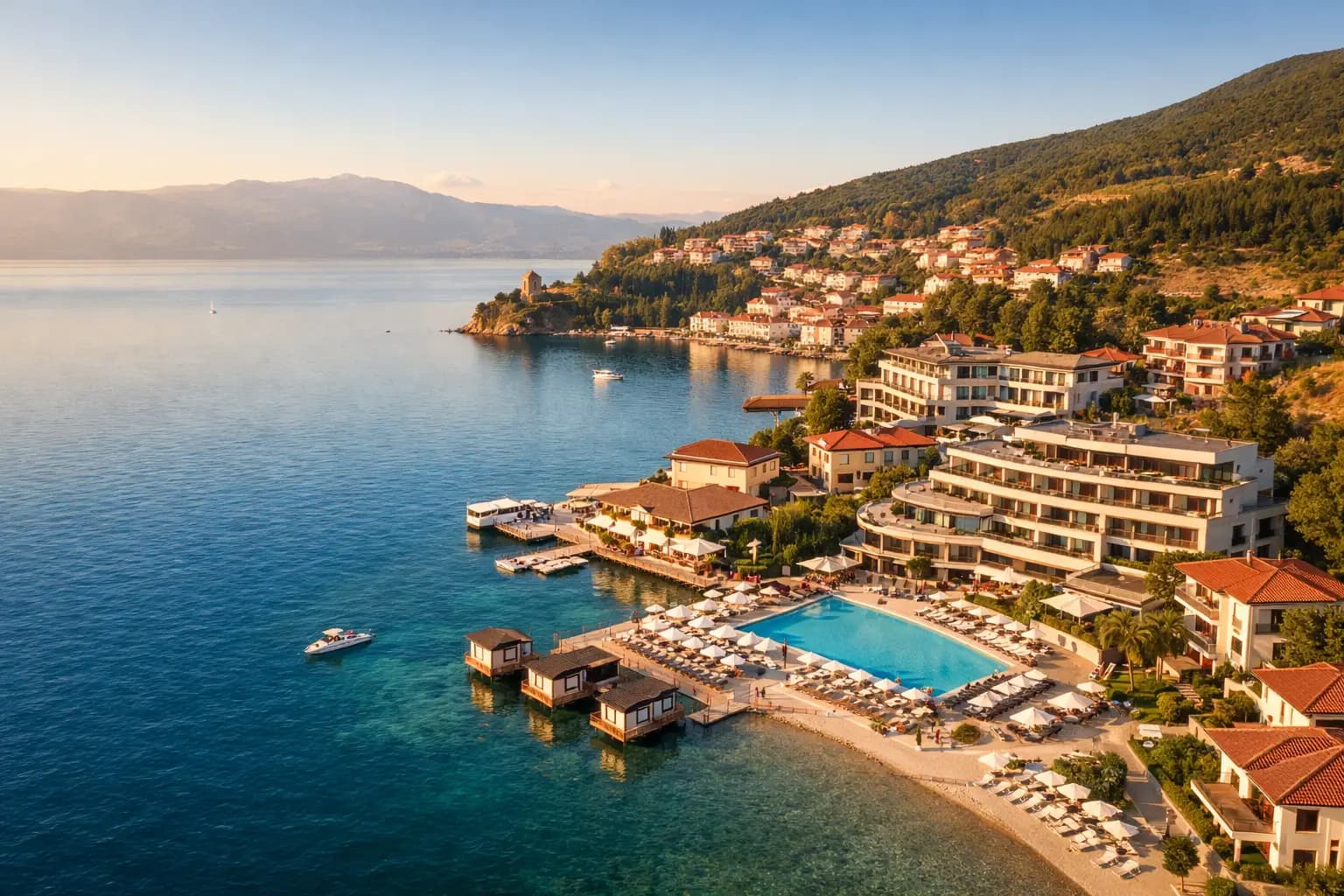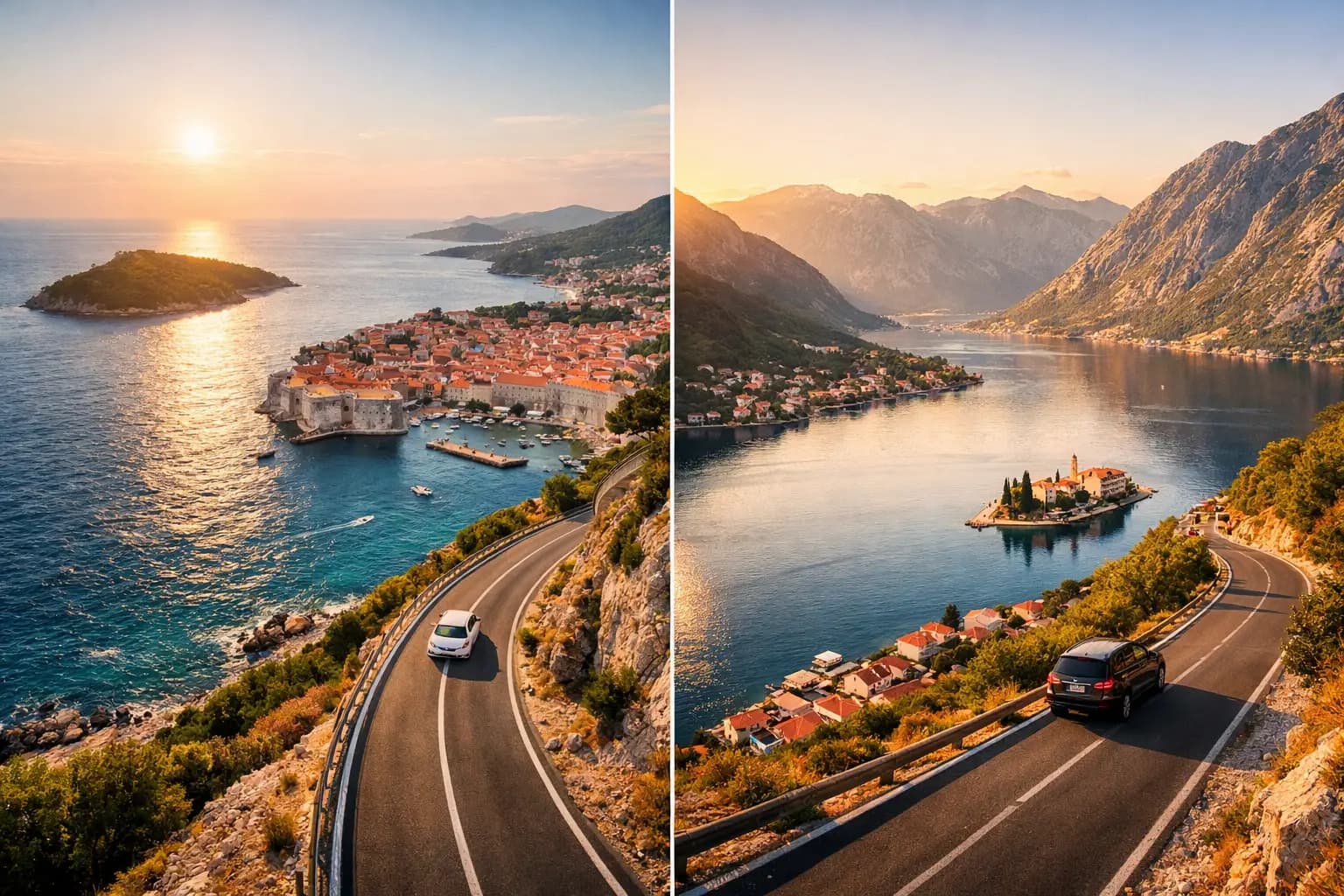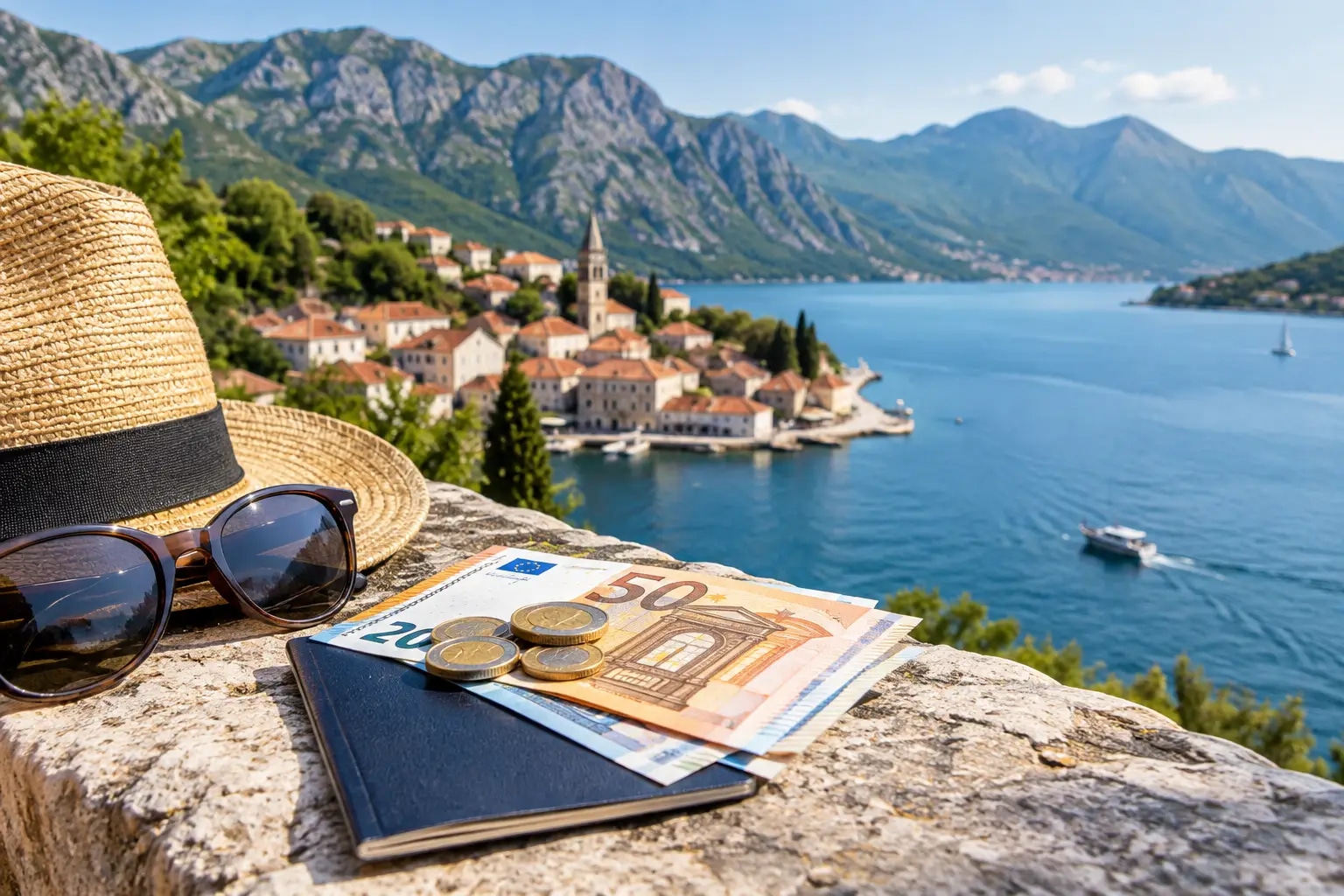
Landing in Tivat with a beach apartment booked, a rental car waiting, and a late dinner planned is not the moment to wonder which currency to use. Montenegro euro usage is refreshingly straightforward: prices are in euros, payments are made in euros, and travelers arriving from much of Europe can skip the currency-conversion routine altogether.
That simplicity matters on a trip where the practical details add up quickly: parking by the coast, groceries for the apartment, a boat ride from Kotor, road tolls, or coffee stops while driving toward the mountains. Still, Montenegro is not a place where you should rely on a card for every small expense. The best approach is simple - use a card where it is convenient, keep a sensible amount of cash, and avoid paying extra for poor exchange rates.
Montenegro Euro Usage: Why the Euro Is Used
Montenegro uses the euro as its everyday currency. You will see euro signs on restaurant menus, accommodation bills, fuel prices, supermarket shelves, and tour offers. There is no separate local currency to exchange once you arrive.
A useful distinction for travelers is that Montenegro uses the euro without issuing its own euro banknotes or coins. For your holiday budget, however, the practical result is the same: bring euros or withdraw euros locally.
For visitors coming from Germany, Austria, Slovenia, Croatia, or other euro-using countries, this makes budgeting much easier. A meal, taxi, or apartment deposit can be compared without mentally converting from dollars, pounds, Swiss francs, or another currency. For diaspora travelers flying in from the United States, Canada, or the United Kingdom, it means one clear step before departure: understand your bank’s euro conversion and cash withdrawal costs.
Cards Work Well, but Cash Still Has a Job
In coastal towns and larger cities, card payments are widely accepted at hotels, better-equipped apartments, restaurants, supermarkets, pharmacies, fuel stations, and many tourist businesses. Visa and Mastercard are generally the most useful cards to carry. Contactless payment is common, especially for ordinary purchases.
But cash remains part of daily travel in Montenegro, particularly outside the most polished visitor areas. Small family-run konobas, market stalls, beach vendors, taxis, parking attendants, local bakeries, and rural cafés may prefer or require cash. Even where a terminal is available, an unreliable connection can turn a card payment into a delay.
This is less about Montenegro being difficult and more about traveling realistically. If your plan includes staying in an apartment, taking local transport, exploring small villages, or spending a day beyond the main coast, do not arrive with only a phone wallet and one card.
A practical split is to keep enough cash for one or two days of small expenses while using a card for accommodation balances, supermarket runs, fuel, and restaurant meals. Do not carry your entire holiday budget in cash. Keep some euros separate from your everyday wallet, especially on busy promenades, beaches, or bus journeys.
How much cash should you carry?
There is no universal number because it depends on how you travel. A couple staying in a hotel near Budva and eating at established restaurants may need very little cash. A family in a private apartment, cooking some meals and making short local trips, will use it more often.
For many travelers, starting with around €100 to €200 in small notes is comfortable. That is usually enough for arrivals, taxis, tips, bakery stops, parking, and the occasional cash-only purchase. Replenish from an ATM if needed rather than carrying a large amount for the full trip.
Ask for and keep smaller denominations. A €50 note is accepted in many places, but it can be awkward for a small coffee, beach chair, or bakery purchase. Notes of €5, €10, and €20 are easier for everyday spending.
Withdrawing Euros From ATMs
ATMs are easy to find in Podgorica, Tivat, Kotor, Budva, Bar, Herceg Novi, and other larger towns. In high season, they are especially visible around marinas, old towns, bus stations, and shopping areas. Availability is less predictable once you head inland or into smaller mountain communities, so withdraw before leaving a main town.
Use bank-operated ATMs where possible. They are usually the more reassuring choice for security and may offer clearer fee information. Read the screen carefully before confirming any transaction, since fees can vary by machine and by card issuer.
The key decision comes when an ATM offers to convert the withdrawal into your home currency. In most cases, choose to be charged in euros. This is often described as declining the ATM’s conversion or choosing the local currency. Your own bank or card network will then handle the conversion, which is commonly better than the rate offered on the screen.
The same principle applies at card terminals. If a restaurant or shop gives you the choice between euros and dollars, pounds, or another home currency, select euros. Paying in your home currency may feel familiar, but it can include a less favorable exchange rate.
Before travel, check three things in your banking app or card terms: foreign transaction fees, cash withdrawal fees, and daily withdrawal limits. A card with no foreign transaction fee can make a meaningful difference over a week or two, especially for travelers paying for meals and activities by card.
Exchanging Cash Before or During Your Trip
If you already hold euros, bring them. There is no advantage in exchanging euros again after arrival. If you hold U.S. dollars, British pounds, Swiss francs, or another currency, compare the cost of exchange at home with withdrawing euros in Montenegro using a low-fee card.
Exchange offices exist in tourist areas, but rates and service charges are not always equally attractive. They can be useful if you have cash from another currency and need euros quickly, yet they should not be your automatic first choice. Compare the displayed buy and sell rates, and confirm whether commission is included before handing over money.
Avoid changing money through unofficial offers, however convenient they sound. A legitimate ATM, bank, or established exchange office gives you a clear transaction record and reduces the chance of confusion over rates or notes.
For travelers crossing several countries on one Balkan road trip, the euro can simplify the Montenegro portion of the journey, but it does not remove the need to plan for other currencies elsewhere. Keep your funds organized by destination rather than assuming one wallet setup works everywhere.
Paying for Accommodation, Cars, and Deposits
Accommodation is where payment expectations can differ most. Hotels typically accept cards, but private apartments may ask for a cash balance on arrival, particularly when a deposit was paid earlier by transfer or card. Confirm the payment method with your host before departure, not while standing outside the building with luggage.
Rental cars are usually charged by card, and the security deposit often requires a physical credit card in the main driver’s name. A debit card may be accepted for payment but not always for the deposit hold. Bring the required card even if you plan to use another card or cash for everyday spending.
When reserving boat trips, airport transfers, guided activities, or restaurant tables in summer, ask whether the quoted price includes all charges and whether payment is cash or card. This is not about mistrust. It is basic planning in a destination where small independent operators are a major part of the experience.
Tips, Tolls, and Small Everyday Costs
Tipping is appreciated for good service but is not a rigid calculation. In casual cafés, rounding up or leaving a small amount in cash is common. In restaurants, a modest tip is welcome when service has been attentive, especially if you have lingered over a long family meal. Check the bill first, since some venues may include a service charge.
For driving, keep cash available for smaller practical costs such as parking. Fuel stations and larger roads are generally card-friendly, but a little cash removes friction when plans change. If you are picking up a car at the airport, make your first ATM stop before heading out to a more remote stay.
The advantage of Montenegro euro usage is not that you can forget about money. It is that money should not complicate your trip. Set up one reliable card, carry a small cash reserve, choose euros whenever a conversion screen appears, and leave room in the budget for the unplanned stop that ends up being the best part of the day.
Ready for your next adventure?
Compare flights, accommodation and activities – ljetovanje.com helps you find the best deals for your perfect holiday.
ljetovanje.com
Travel expert and contributor for Ljetovanje.com