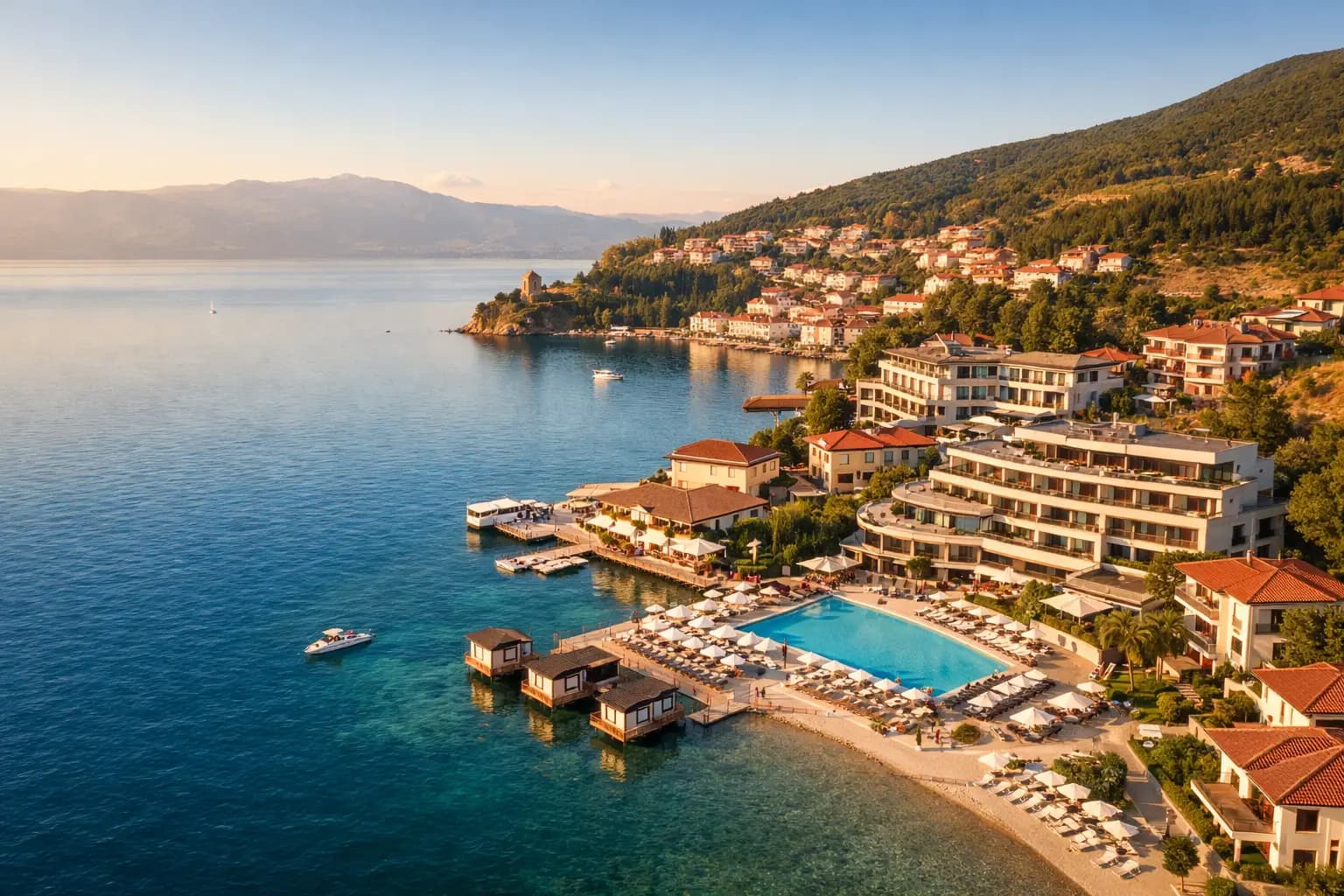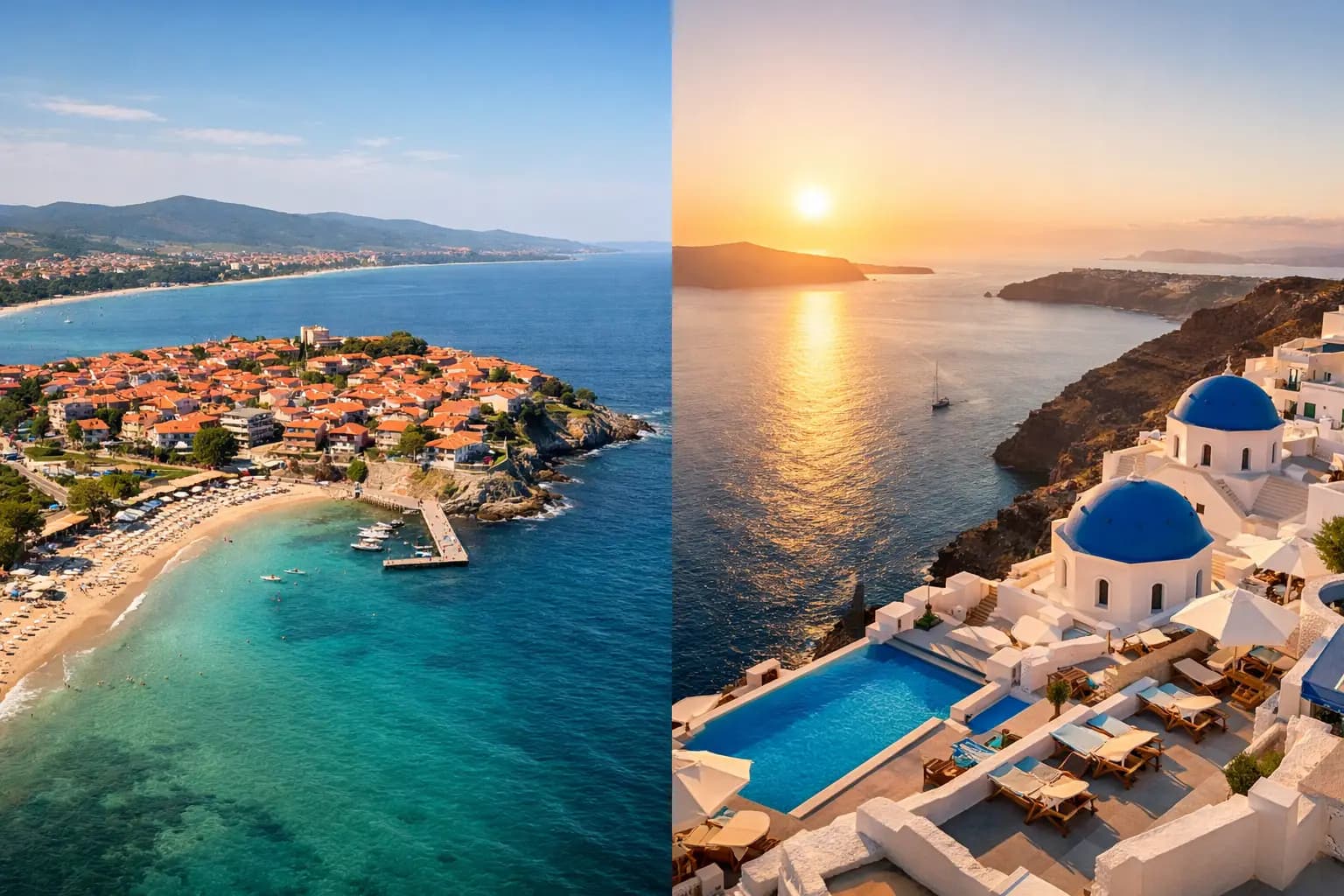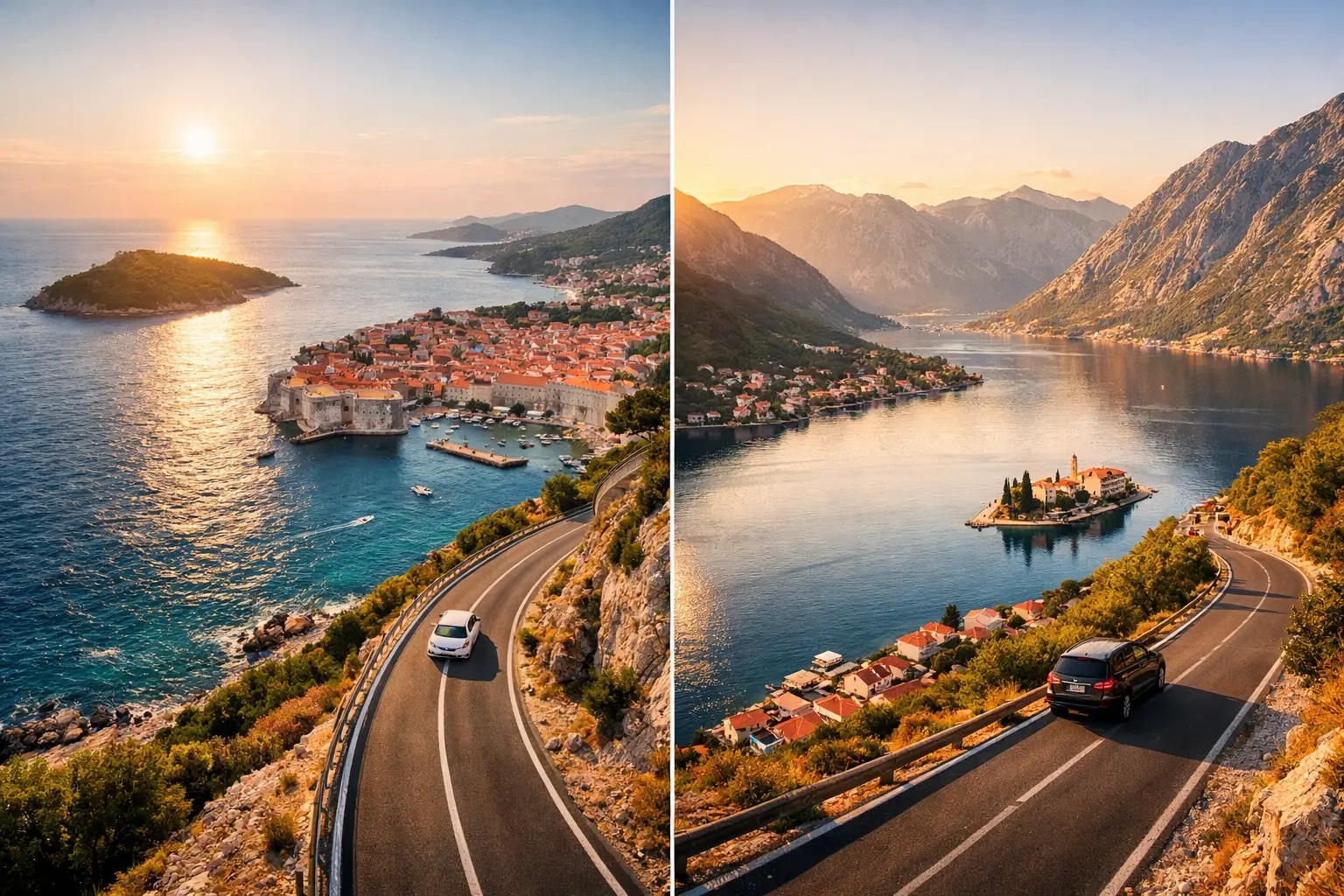
A Croatia versus Montenegro roadtrip is not really a contest between two neighboring coastlines. It is a choice between two very different travel rhythms. Croatia rewards people who want a polished route with islands, historic towns, and plenty of accommodation choices. Montenegro suits travelers who want big scenery in a compact area, where a morning swim can be followed by mountain roads and dinner beside the bay.
For many travelers from the US or the Balkan diaspora coming from Germany, Austria, or Switzerland, the practical question is simpler: where will your available days go further? The answer depends on whether you value easy-to-plan variety or a shorter, more dramatic drive.
Croatia versus Montenegro roadtrip: the quick decision
Choose Croatia if you have at least seven to 10 days, want to mix cities, beaches, islands, and national parks, and prefer a wider choice of apartments, hotels, restaurants, and ferry connections. It works especially well for families who do not want every transfer to feel like an expedition.
Choose Montenegro if you have four to seven days, want coastal views with mountain detours, and do not mind slower roads in exchange for more concentrated scenery. It is a strong option for couples, friends, and travelers who would rather stay in two or three bases than unpack every night.
Neither country is automatically cheaper or calmer. A highly popular Croatian island in August can cost more than expected, while a sought-after bayfront stay in Montenegro can quickly use up a budget. Timing and location matter more than the country label.
The roadtrip experience is fundamentally different
Croatia is built for a longer route. The coast stretches far enough that a drive from Istria to Dubrovnik becomes a genuine journey, not just a transfer. You can pair Rovinj with Plitvice Lakes, continue through Zadar and Split, then decide whether to add Hvar, Brač, Korčula, or the southern coast. The route has many logical stopping points, which makes it flexible for different ages and travel styles.
That flexibility comes with a trade-off. Distances add up. A map can make the coast look straightforward, but summer traffic near major towns, ferry schedules, and check-in times can turn a modest drive into most of a day. Croatia works best when you resist the temptation to see every famous place in one trip.
Montenegro feels more compressed. Kotor Bay, Budva, Lake Skadar, Cetinje, Durmitor National Park, and the Adriatic coast can all fit into a relatively small itinerary. The visual contrast is immediate: stone waterfront towns give way to steep slopes, then open plateaus and mountain lakes.
The trade-off is driving intensity. Many roads are scenic rather than fast, with curves, narrow stretches, and limited opportunities to make up time. If someone in your group gets carsick or dislikes mountain driving, build a slower schedule. Montenegro is not difficult to enjoy, but it is a poor place for an itinerary that assumes every kilometer takes the same amount of time.
Best for beach time
Croatia has more variety for a beach-first vacation. Families often appreciate the clear water, well-organized seaside towns, and the ability to choose between lively promenades and quieter coves. The coast around Makarska is convenient for combining beaches with day trips, while islands offer a more relaxed pace if you are willing to work around ferries.
Montenegro's beaches are better treated as part of a broader trip rather than the entire point of it. The Budva Riviera offers an active summer scene, while the Bay of Kotor is more about atmosphere, views, and evening walks than long, wide beach days. For a traveler who wants mountains and water in the same week, that is exactly the appeal.
Best for historic towns and evening atmosphere
Croatia has the deeper bench. Split has energy and easy access to islands, Zadar is compact and enjoyable after sunset, and smaller places can offer a more local feel once day visitors leave. Dubrovnik is undeniably striking, but it needs careful timing and a realistic budget in high season.
Montenegro has fewer historic towns, but the strongest ones feel unusually close together. Kotor's old town and Perast make a compelling pair, particularly outside the busiest midday hours. Stay nearby for an evening rather than treating the bay as a quick photo stop. That is when the place makes more sense.
Costs: Croatia is easier to predict, Montenegro can stretch further
Croatia generally has a larger supply of accommodation, from simple apartments to resort hotels, which makes comparison easier. You may pay more in July and August, but there are more alternatives if you are flexible about exact location. A base a short drive from the waterfront can be much better value than insisting on a front-row address.
Montenegro can feel more affordable on food, local transport, and casual stays, particularly outside the most famous coastal spots. But do not assume every part of the country is a bargain. Kotor Bay, Budva, and popular beach areas command high-season prices, and a limited inventory can make last-minute choices expensive.
For both countries, the biggest money-saving decision is usually the calendar. Late May, June, September, and early October often offer better value, easier parking, and more comfortable sightseeing. The sea may still be warm well into September, especially farther south.
A roadtrip budget also needs to account for parking, tolls, fuel, ferry tickets, and the occasional expensive mistake of arriving late in a town with few available spaces. In Croatia, toll roads can save time on longer inland stretches. In Montenegro, fuel may be less of the issue than the time spent on winding roads.
Route planning: one country or both?
Combining Croatia and Montenegro is tempting, and it can be excellent when done with restraint. A south Croatia route ending around Dubrovnik can naturally continue toward Kotor Bay. However, this is not the moment to add every island, every beach, and a mountain loop. Peak-season border waits can be unpredictable, and rental-car rules require attention.
Before booking, confirm that your rental agreement permits cross-border travel and that the vehicle documentation and insurance requirements are in order. Do not assume a car picked up in one country can cross without prior approval. Travelers bringing their own car should also check current documents, roadside assistance coverage, and any required equipment before departure.
If you have only a week, choose one country. Croatia could be Split, one island, and the Makarska coast. Montenegro could be Kotor Bay, the coast, and a two-night mountain stay. You will see more by leaving room for a slow lunch, a swim that lasts longer than planned, or a viewpoint that was not on the itinerary.
If you have 10 to 14 days, a combined route becomes realistic. Start in Split or Dubrovnik, travel south, spend several nights around Kotor Bay, then move inland toward Durmitor if mountain scenery is a priority. Keep the final night close to your departure airport rather than betting on a long drive before a flight.
Who should pick Croatia?
Croatia is the safer choice for first-time Adriatic travelers, multigenerational groups, and anyone who wants reliable variety without constant route decisions. It is also better for travelers who prefer to settle into an apartment for a week and take optional day trips. The country gives you more ways to adjust when weather, ferry timing, or family energy levels change.
It can feel busy in its best-known places, particularly in August. The answer is not to skip Croatia altogether, but to choose your base carefully. Smaller coastal towns, inland stays, and less obvious islands often provide a more balanced trip than trying to sleep beside the busiest old town.
Who should pick Montenegro?
Montenegro is for travelers who want their roadtrip to feel cinematic without covering huge distances. It is a particularly good match if you enjoy scenic driving, want to combine the sea with cooler mountain air, or prefer a trip that feels less structured.
It asks more from the driver and rewards patience. Plan fewer stops, avoid treating every beach as a separate destination, and give yourself time to enjoy Kotor Bay after the day-trip crowds thin out. For the right traveler, that slower pace is the entire point.
Your best route is not the one with the most pins saved on a map. It is the one that leaves enough room to stop when the coast looks good, the table is still free, and nobody in the car is asking, “How much longer?”
Ready for your next adventure?
Compare flights, accommodation and activities – ljetovanje.com helps you find the best deals for your perfect holiday.
ljetovanje.com
Travel expert and contributor for Ljetovanje.com