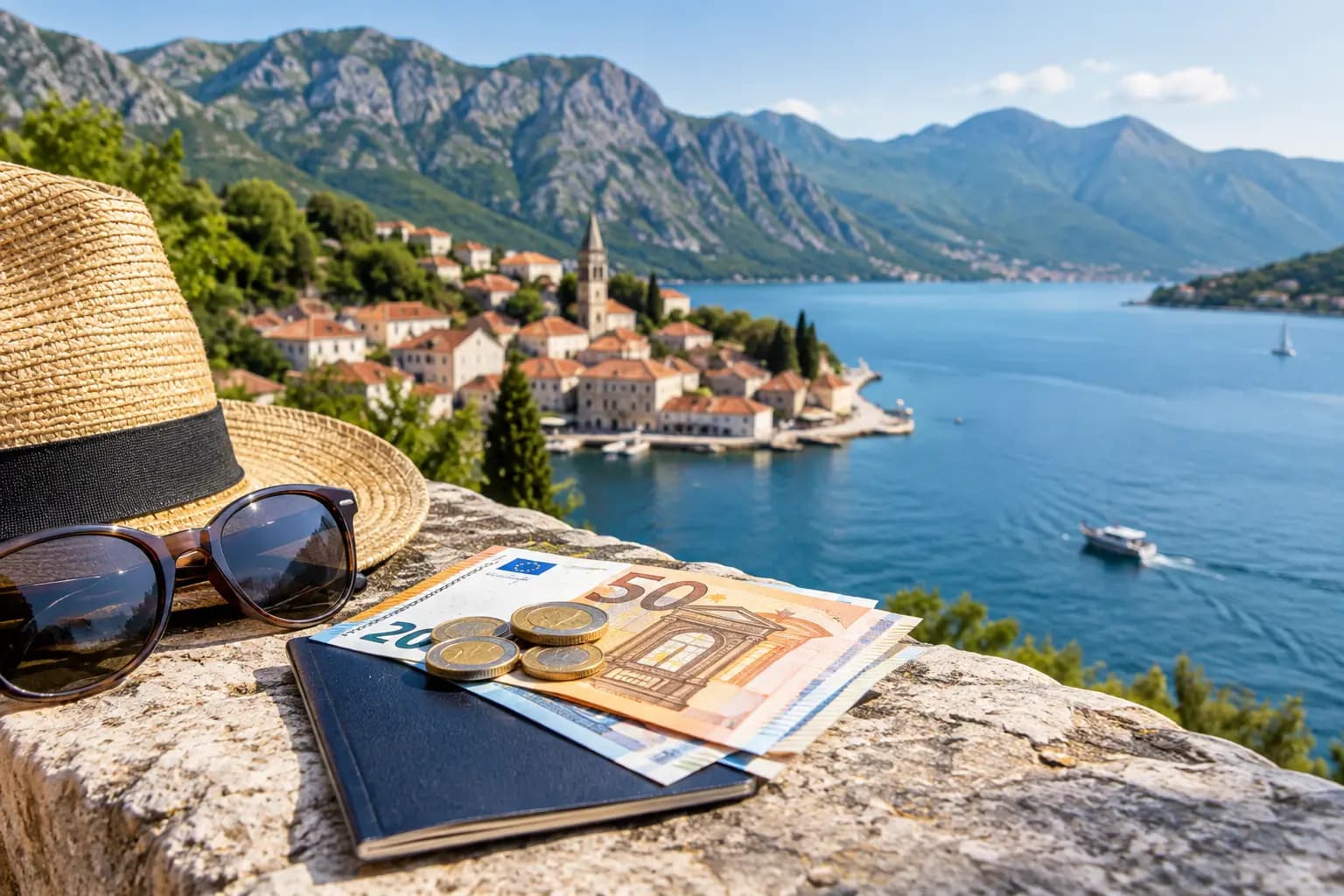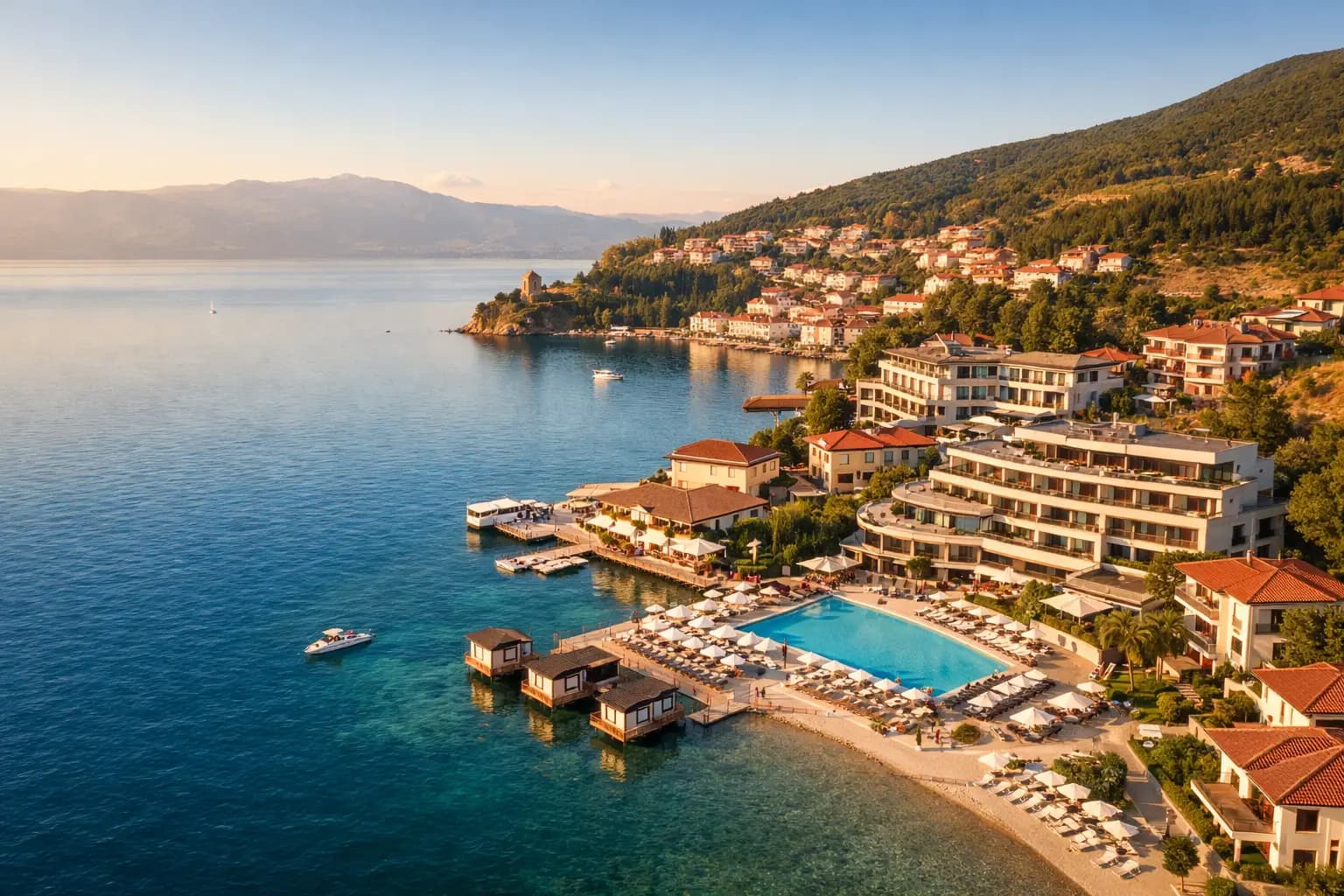
You can drive the Montenegro coast in a few hours, but planning it badly can waste half your holiday in traffic, parking stress, and overpriced stops. A good Montenegro coast travel guide is less about ticking off every town and more about knowing where to base yourself, when to move, and what kind of coast trip actually fits your budget and pace.
The coastline is short, but it changes quickly. Bay towns feel different from open-sea resort strips. Some places are made for slow dinners and evening walks, others are better if you want beaches first and nightlife second. That matters if you're coming from the US, flying in from Western Europe, or doing a regional road trip where every extra transfer starts to feel like work.
Montenegro coast travel guide: choose the right base
The most common planning mistake is treating the whole coast as one destination. It isn't. If you pick the wrong base, you spend your days in the car instead of in the water.
Kotor works best for travelers who care more about atmosphere than beaches. The old town is compact, photogenic, and busy for a reason. You stay here for stone lanes, bay views, and easy access to Perast, not for long sandy beach days. In peak summer, it can feel crowded and parking can be frustrating, so it suits couples and short stays better than families with a lot of beach gear.
Tivat is more practical than romantic, and that is not a criticism. The airport is nearby, transfers are easier, and the town works well if convenience is high on your list. For travelers arriving late, leaving early, or not wanting a complicated first day, Tivat is a smart base. The trade-off is that it has less old-world character than Kotor or Perast.
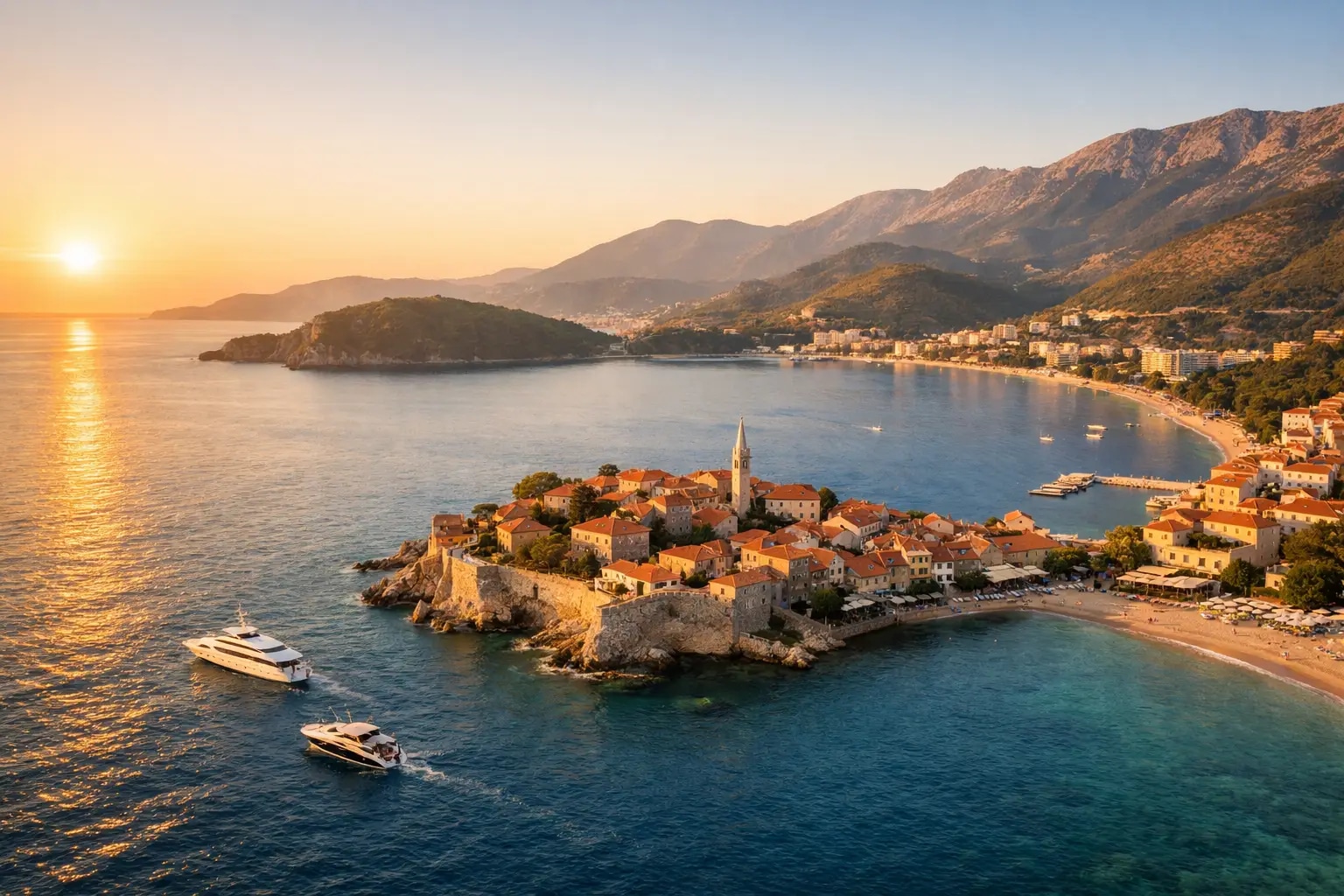
Budva is the easiest choice if you want variety. You get beaches, restaurants, nightlife, and a large range of apartments and hotels. It is also one of the easiest places for first-time visitors because everything is obvious and close at hand. The downside is equally obvious - in July and August, Budva can feel loud, packed, and more commercial than many travelers expect.
Bečići and Rafailovići usually make more sense for families than central Budva. You are close enough to Budva when you want it, but your immediate environment is calmer and more beach-oriented. If your ideal day includes swimming, lunch nearby, and an easy walk back to the apartment, these areas are often a better fit.
Petrovac is for travelers who want a slower rhythm. It is smaller, easier to manage, and generally less intense than Budva. Families with younger children, couples avoiding party areas, and diaspora travelers who want a more familiar Adriatic holiday feel often end up happier here than in Montenegro's busier hotspots.
Ulcinj is its own thing. It has a different energy, broader beaches, and a stronger appeal for travelers who prioritize space and sandy stretches over postcard bay views. Velika Plaža is especially attractive if you dislike cramped beaches. But if your picture of Montenegro is stone villages and dramatic bay scenery, Ulcinj may feel far from that image.
When to go and what changes by month
June and September are the sweet spots for many travelers. The sea is warm enough, prices are usually more reasonable than in high season, and the coast is easier to enjoy without constant crowd management. If your schedule allows flexibility, these are the months that often deliver the best balance.
July and August are the classic summer period, but they come with trade-offs. The atmosphere is livelier, beach clubs and restaurants are in full swing, and everything feels open. At the same time, roads slow down, parking becomes a daily issue, and accommodation prices rise fast, especially in the most popular towns.
May can work for sightseeing-heavy trips, especially around the Bay of Kotor, but it is less reliable if your whole vacation depends on swimming. October is pleasant for slower coastal breaks, though many travelers will find it too late for a proper beach holiday.
If you are traveling with school-age kids or have fixed annual leave, peak season may be unavoidable. In that case, the smarter move is not trying to beat the crowds completely, but choosing a base that lets you avoid moving around too much.
Best coastal route and travel logistics
For a short trip, the best route is usually simple: fly into Tivat if possible, stay in one main base, and do short day trips instead of changing hotels. Montenegro's coast looks compact on a map, but summer driving can be much slower than expected.
If you have four to five days, splitting time between the Bay of Kotor area and the Budva Riviera gives you two different versions of the coast without overcomplicating things. One gives you scenery and old towns, the other gives you easier beach days and more evening options.
If you have a full week, adding Petrovac or Ulcinj can make sense, especially if you prefer less crowded beach time. But this depends on your style. Travelers chasing five locations in seven days usually end up remembering parking lots and check-in times more than the destination itself.
For road trippers arriving from the region, border timing and weekend traffic matter as much as distance. Late morning and early afternoon arrivals on summer Saturdays can eat into your first day. If you can shift your departure by a few hours, you often save more time than you would by obsessing over route details.
Beaches: what to expect, not just what looks good in photos
The Montenegro coast is strong on scenery, but beach expectations need to be realistic. Not every famous town has the kind of beach that works for a full, comfortable day.
Around Kotor and Perast, the appeal is the setting. Swimming is possible, but these are not the easiest beach bases if you want broad, classic beach infrastructure. People choose this area for the bay atmosphere first.
Budva, Bečići, and nearby stretches are more practical for standard beach holidays. You will find organized beach areas, loungers, restaurants, and easier day-to-day convenience. That also means less privacy in peak season.
Sveti Stefan is one of the most photographed spots on the coast, but many visitors misread what it offers. It is worth seeing, and the surrounding area is beautiful, but not every traveler needs to stay there. Often it works better as a stop or a view than as the center of the trip.
Petrovac offers a friendlier middle ground - easier than the bay towns, quieter than Budva, and generally more relaxed for repeat beach days. Ulcinj, especially Velika Plaža, is the better call if you want long sandy sections and more room to spread out.
Costs and where your budget goes fastest
Montenegro can still be good value, but the coast in summer is not the bargain some travelers expect. The biggest difference in total trip cost usually comes from timing and location, not from whether you skip a coffee or two.
Kotor, Budva, and sought-after waterfront areas rise quickly in price during peak weeks. Apartments a little outside the center often offer much better value, especially if you have a car and do not mind a short drive or walk. For families, that difference can be significant.
Eating out ranges widely. You can still find solid, straightforward meals at fair prices, especially outside the most polished promenades, but premium-looking seafront spots often charge more for the view than for the food. A practical approach is simple: book accommodation with a kitchen if you are staying longer, eat one main meal out, and avoid making every dinner a waterfront event.
Parking is another hidden cost, both financially and mentally. Travelers often focus on nightly accommodation rates and forget that a "cheap" apartment with difficult parking can become annoying fast.
Who Montenegro's coast is best for
Couples do especially well with Kotor, Perast, or Petrovac, depending on whether they want atmosphere, quiet, or beach time. Families usually find the easiest rhythm in Bečići, Rafailovići, Petrovac, or parts of Ulcinj where beach access is straightforward.
Groups and younger travelers often lean toward Budva because it gives them flexibility. That makes sense if nightlife matters. If it does not, there is little reason to pay for the busiest part of the coast just to spend your holiday looking for quiet.
Diaspora travelers returning to the Adriatic region often appreciate Montenegro because it still feels accessible and familiar, but with enough variation to make it feel like a proper break. That balance is one reason it works well for multi-generational summer trips.
A practical Montenegro coast travel guide for first-timers
If this is your first Montenegro coastal trip, resist the urge to do too much. Pick one base that matches your real holiday style, not the most famous place on social media. If you want beaches, stay where beaches are easy. If you want old-town atmosphere, accept that beach comfort may come second.
The coast rewards simple planning. Book early for peak dates, keep transfer days light, and leave space for unplanned stops rather than building a military schedule. That is usually how Montenegro works best - not as a race down the shoreline, but as a compact coast where the right base changes the whole trip.
If you get that one decision right, the rest becomes much easier, and your holiday starts to feel like a holiday from day one.
Ready for your next adventure?
Compare flights, accommodation and activities – ljetovanje.com helps you find the best deals for your perfect holiday.
ljetovanje.com
Travel expert and contributor for Ljetovanje.com