A morning burek eaten standing up, a family lunch that quietly becomes a three-hour event, tomatoes that actually taste like tomatoes: the best food destinations in Balkans are rarely about chasing a single famous dish. They are places where eating explains the rhythm of the town, the season, and the people around the table.
For travelers coming from the US or returning from Western Europe, the practical advantage is just as real. Many of these stops work well as a long weekend, a road-trip pause, or the food-focused part of a beach or mountain vacation. The trick is choosing a destination whose table matches the kind of trip you actually want.
How to choose food destinations in Balkans
A great meal alone does not make a useful food trip. Consider how much time you have, whether you want city energy or slower countryside, and what happens outside restaurant hours. Sarajevo and Belgrade suit travelers who want markets, cafés, and dinner options within walking distance. Istria and Herzegovina reward a rental car and a looser schedule. Ohrid works particularly well when food is one part of a lake vacation rather than the sole reason for traveling.
Season matters more than many visitors expect. Summer brings coastal produce, outdoor tables, and busy kitchens, but it also brings reservations and higher prices. Spring and fall are often better for wine regions, truffle menus, and towns where you want to talk to the person serving you rather than compete for a table. Winter has its own appeal in Sarajevo, Belgrade, and mountain areas, where heavier dishes make much more sense.
1. Sarajevo, Bosnia and Herzegovina
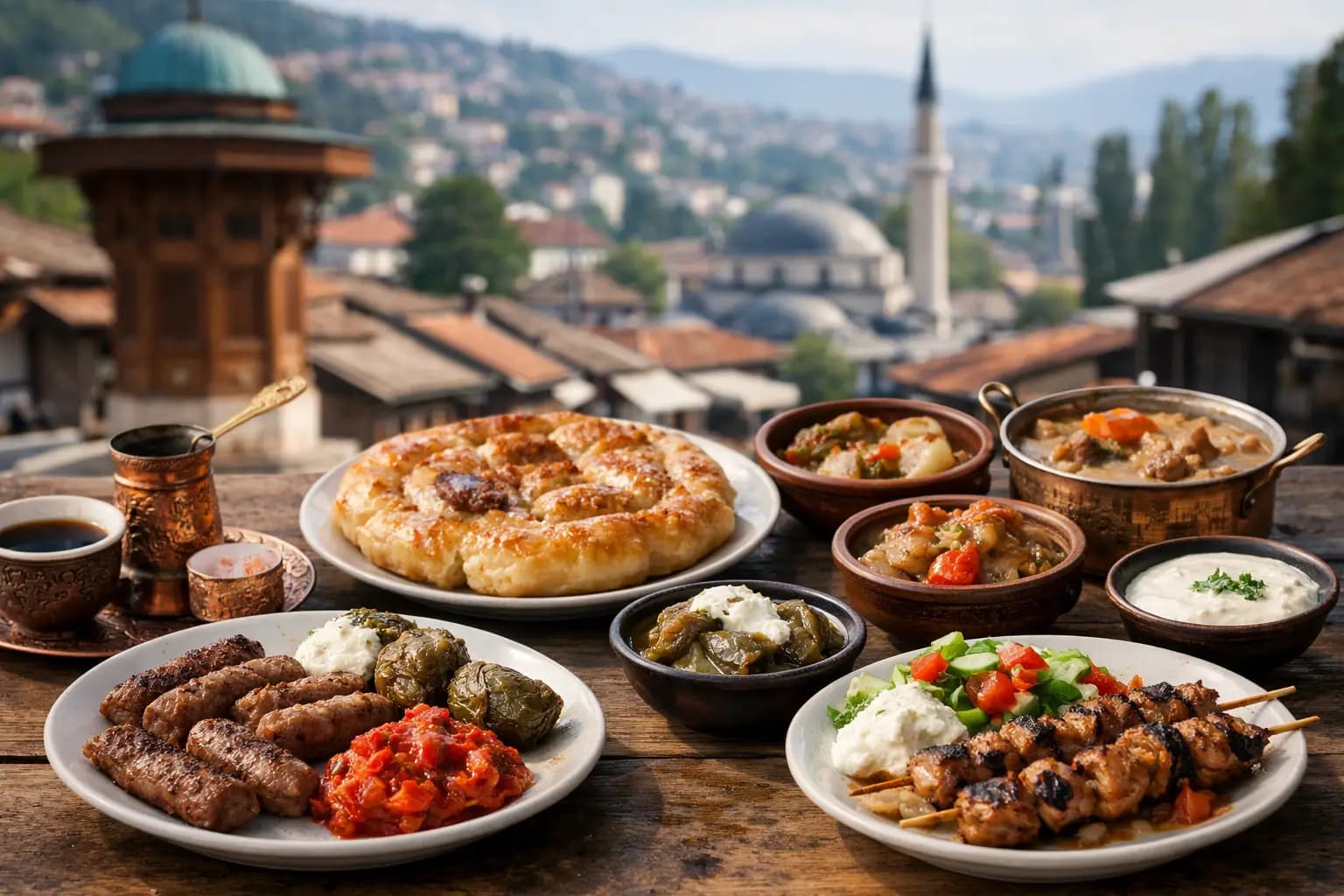
Sarajevo is one of the region's strongest choices for travelers who want flavor without building their day around transport. Start with ćevapi in a small traditional grill house, then make room for burek, pita, soups, strong coffee, and sweets such as baklava or tufahija. The city is not polished into a food theme park, which is part of its appeal. Good food is woven into normal daily life.
The smart approach is to eat small portions across the day rather than commit to one oversized lunch. A coffee stop is not a quick caffeine transaction here, and a bakery can be a proper meal. Sarajevo is especially good for a three- or four-day break, though it also fits naturally into a wider Bosnia and Herzegovina itinerary that includes Mostar or the Una River.
2. Istria, Croatia
Istria is for travelers willing to pay more for ingredients with a clear sense of place. Truffles, olive oil, seafood, wild asparagus in spring, handmade pasta, and local wines give the peninsula a culinary identity that is more refined than much of the Adriatic coast. The best meals are not always in the most obvious seaside centers. Inland hill towns and family-run konobas can be the more memorable choice.
There is a trade-off. Istria is not the budget option, especially in July and August, and a car makes the region far easier to enjoy. Visit in late spring or early fall if possible. You will find more comfortable driving, better availability, and menus that reflect the season instead of a generic summer offering.
3. Belgrade, Serbia
Belgrade does not ask you to plan your eating with military precision. It is a city where a late breakfast can drift into lunch, dinner can begin after 9 p.m., and a casual recommendation from a local can lead somewhere excellent. Look beyond grilled meat, although pljeskavica and ćevapi deserve their place. The city's strength is range: bakeries, old-school kafanas, modern bistros, neighborhood roasteries, and desserts that draw on a broad regional pantry.
For diaspora travelers visiting relatives, Belgrade can be an easy place to add a few food experiences without turning a family visit into an itinerary. Reserve sought-after restaurants on weekends, but leave space for spontaneous stops. The city rewards curiosity more than a rigid checklist.
4. Ohrid, North Macedonia
Ohrid is a better food destination than its postcard image suggests. Lake views are the obvious draw, but the local experience becomes richer once you look for taverns serving Macedonian salads, grilled vegetables, beans, cheeses, breads, and regional wines. The food is direct and generous, relying more on fresh produce and careful cooking than elaborate presentation.
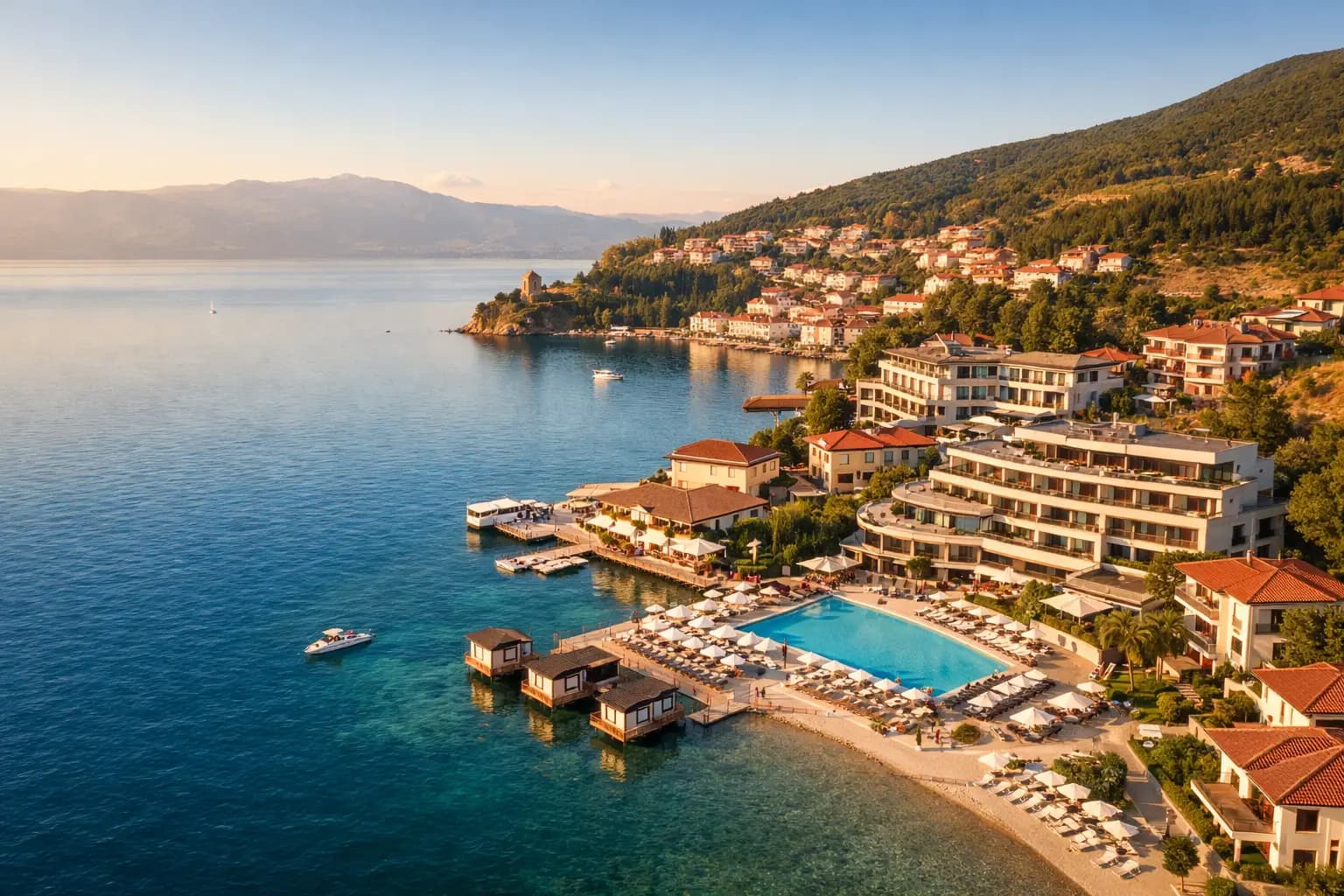
This is a sensible choice for couples and families who want a slower vacation with meals built into the day. Eat lakefront once for the view, then step back into the older streets for a more relaxed atmosphere and often better value. High summer is lively and convenient, while September offers warm water, calmer tables, and a gentler pace.
5. Trebinje, Bosnia and Herzegovina
Trebinje is the kind of place that changes the idea of what a food stop can be. Its Mediterranean-influenced climate shapes the table: grilled meats, cheeses, seasonal vegetables, figs, honey, and wines from the wider Herzegovina region. The town is compact enough that you can spend the morning at the market, have a long lunch under plane trees, and still have time for an unhurried evening walk.
It works best as part of a road trip or a few quiet days away from the busiest coast. Travelers who want nightlife or a dense list of major sights may find it too calm. Travelers who value a bottle shared at sunset and meals with no pressure to leave will understand the appeal immediately.
6. Plovdiv, Bulgaria
Plovdiv offers a useful combination that many food travelers want: serious local cooking, good wine culture, a walkable historic core, and prices that remain reasonable compared with more famous European city breaks. Seek out shops and casual restaurants serving banitsa, grilled meats, yogurt-based dishes, roasted peppers, and seasonal salads. Bulgarian wine deserves dedicated attention, particularly when paired with regional cheeses and cured meats rather than treated as an afterthought.
The city is an excellent option for a long weekend, especially in spring or fall. It is also a strong base for travelers who like alternating between an urban café morning and an unhurried evening meal. Do not expect every menu in the central area to be equally thoughtful. A short walk away from the busiest streets usually improves both value and character.
7. Ljubljana and the Slovenian wine regions
Ljubljana is compact, orderly, and easy to navigate, making it a comfortable entry point for travelers who prefer food culture with clear logistics. The central market, riverfront cafés, and modern restaurants make a good introduction to Slovenian ingredients: mountain dairy, river fish, forest mushrooms, buckwheat, and excellent wines. It feels less like a destination for huge portions and more like a place for well-made, seasonal meals.
For the deeper experience, add a day or two in a wine region. The Vipava Valley and other vineyard areas offer a slower, more rural counterpoint to the capital. A car helps, but if you are only staying in Ljubljana, you can still eat very well on foot. This is a good fit for travelers who want quality and calm rather than late-night bustle.
8. The Albanian Riviera and inland markets
Albania is often approached as a beach destination first, yet its food can be the reason to slow down. Along the coast, expect grilled fish, mussels, olive oil, salads, yogurt, and simple dishes that let the ingredients do the work. Inland, market towns and family restaurants reveal another side of the country through lamb, pies, vegetables, preserved foods, and local cheeses.
The key is managing expectations around pace. Service may be relaxed, menus may be less standardized, and the most memorable meal may come from a place with no polished online presence. That is not a drawback if you are comfortable asking a host or local shopkeeper where they would eat. For travelers combining beach time with a road trip, Albania offers some of the best value among Balkan food experiences.
Eat with a little room in the schedule
The most satisfying Balkan food trips leave room for the unplanned bakery, the market stall, and the recommendation that sends you ten minutes off route. Book the restaurant that truly matters, especially in peak season, but do not schedule every meal. A destination reveals more at a neighborhood table than it does through a list of dishes checked off in a weekend.
Plan around the season, choose accommodations within easy reach of the places you want to eat, and treat lunch as an event when the destination calls for it. That small adjustment often turns a good vacation into one you keep talking about after you are home.
Ready for your next adventure?
Compare flights, accommodation and activities – ljetovanje.com helps you find the best deals for your perfect holiday.
ljetovanje.com
Travel expert and contributor for Ljetovanje.com