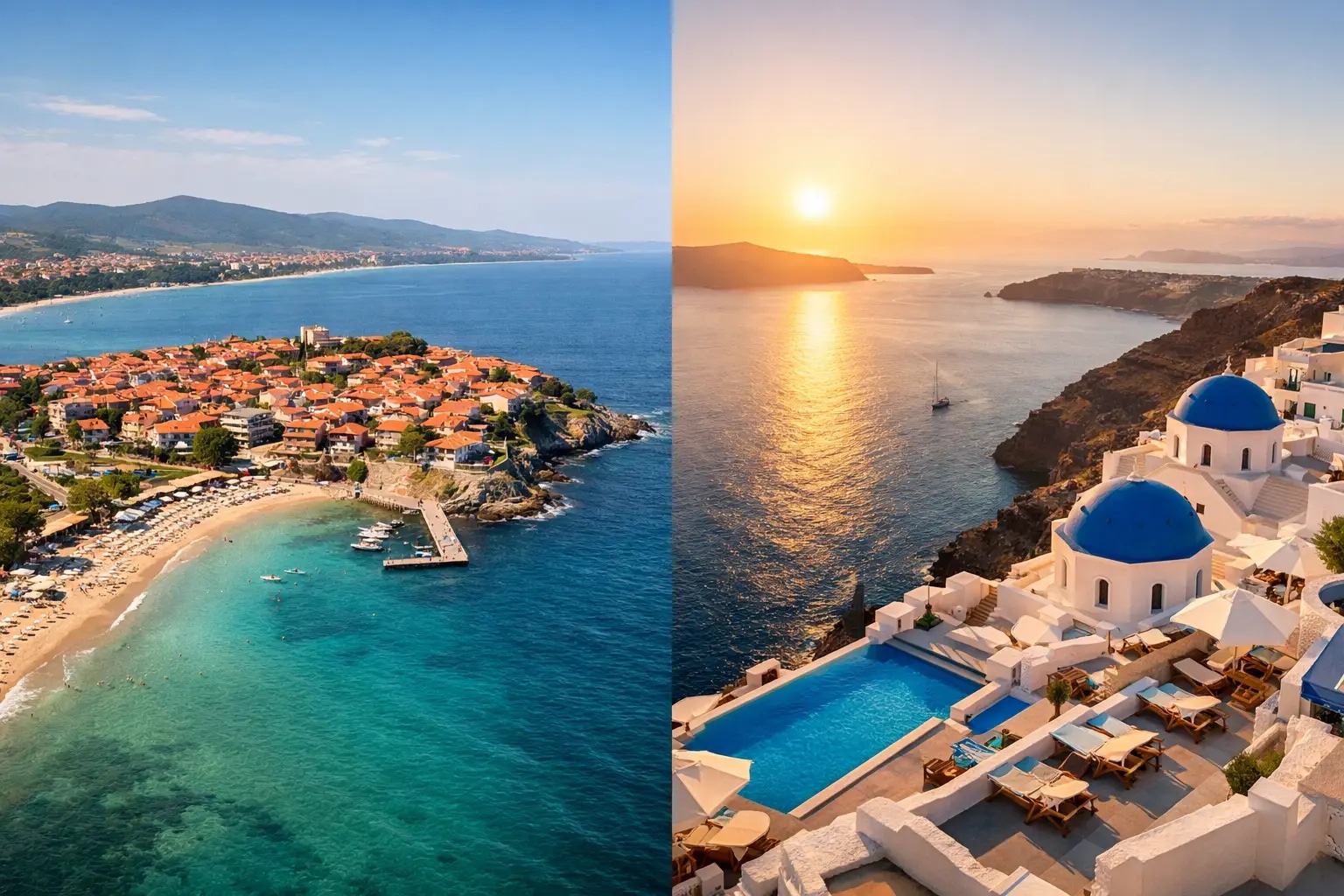
A Bulgaria vs Greece seaside decision is rarely just about which beach looks better in photos. For travelers from the Balkans and diaspora families planning one precious week away, the real questions are usually simpler: How much will it cost? Can the kids swim comfortably? Is the drive realistic? And will the resort still feel good after day three?
Bulgaria’s Black Sea coast and Greece’s mainland and island shores can both deliver a proper summer break, but they do it differently. Bulgaria is often the practical choice for a value-focused beach holiday with wide sandy shores and straightforward resort infrastructure. Greece tends to win when the trip is as much about coves, tavernas, village evenings, and a more varied coastal landscape as it is about swimming.
Bulgaria vs Greece Seaside: The Quick Difference
Choose Bulgaria if you want a lower-cost trip, broad sandy beaches, easy family resorts, and a holiday where a pool, beach, dinner, and evening walk are all close together. Areas around Nessebar, Sozopol, Varna, and Burgas offer different versions of that formula, from lively resort zones to more atmospheric old-town settings.
Choose Greece if you value clearer water, more dramatic scenery, stronger food culture, and the freedom to combine beach days with small towns, archaeological sites, or island-hopping. The trade-off is that Greece can demand more planning and a larger budget, especially in peak summer and on well-known islands.
Neither is automatically better. A family driving from Serbia may find Bulgaria’s resort geography easier and more predictable. A couple flying from Germany, Switzerland, or the United States may get more from a Greek itinerary built around a nearby airport, rental car, and a quieter peninsula or island.
Beach Style: Wide Sand or Coves and Character?
Bulgaria’s biggest advantage is its beaches. The Black Sea coast has long stretches of soft sand and a gentle entry into the water, particularly useful for families with younger children or anyone who prefers swimming without negotiating rocks, steep drops, or beach shoes. Large resorts can feel busy, but the physical beach experience is easy: rent an umbrella, settle in, and let the day unfold slowly.
Sunny Beach is the obvious example of a large-scale resort and may suit travelers looking for nightlife and constant activity. It is less appealing if your idea of vacation is quiet mornings and local atmosphere. Nessebar, nearby, offers a better balance for many visitors: beach access plus an old town worth walking in the evening. Farther south, Sozopol has a more relaxed, artistic feel and is often a better fit for couples or families who do not need a huge resort scene.
Greece offers greater variety. You can find long sandy beaches in Halkidiki, family-friendly shorelines in parts of Thassos, and beautiful but less convenient pebble coves on many islands. The water is frequently clearer and more intensely blue, especially in sheltered bays, but the beach setup may be less uniform. One beach may be perfect for children, while the next is rocky, windy, or reached by a steep road.
For travelers who want an effortless beach routine, Bulgaria has the edge. For those who are happy to explore different beaches each day, Greece has more range and more memorable scenery.
Cost: Bulgaria Usually Wins, but Check the Full Trip
On day-to-day spending, Bulgaria is generally the easier destination on the budget. Apartments, casual meals, beach services, and drinks are often more affordable than in popular Greek coastal areas. This matters most for families booking two rooms, larger apartments, or a longer stay during school vacations.
The difference becomes clearer in July and August. In Greece, a well-located apartment near a good beach can rise sharply in price, particularly where supply is limited. Island trips also bring extra costs: ferry tickets, car rentals, airport transfers, and sometimes higher restaurant prices. A cheap flight is not necessarily a cheap vacation once those pieces are added.
That said, Greece is not only for bigger budgets. Mainland destinations and less publicized islands can offer good value, especially in June or September. The key is to compare the complete trip rather than the nightly room rate. Include fuel or flights, tolls, parking, ferry tickets, breakfast, beach rentals, and whether you will need a car every day.
Bulgaria can also become expensive in the most built-up resort zones, where prime beachfront hotels charge for convenience. A self-catering apartment a short walk from the sea is often the better value, especially for Balkan travelers who prefer having space, a kitchen, and flexible meal times.
Getting There and Moving Around
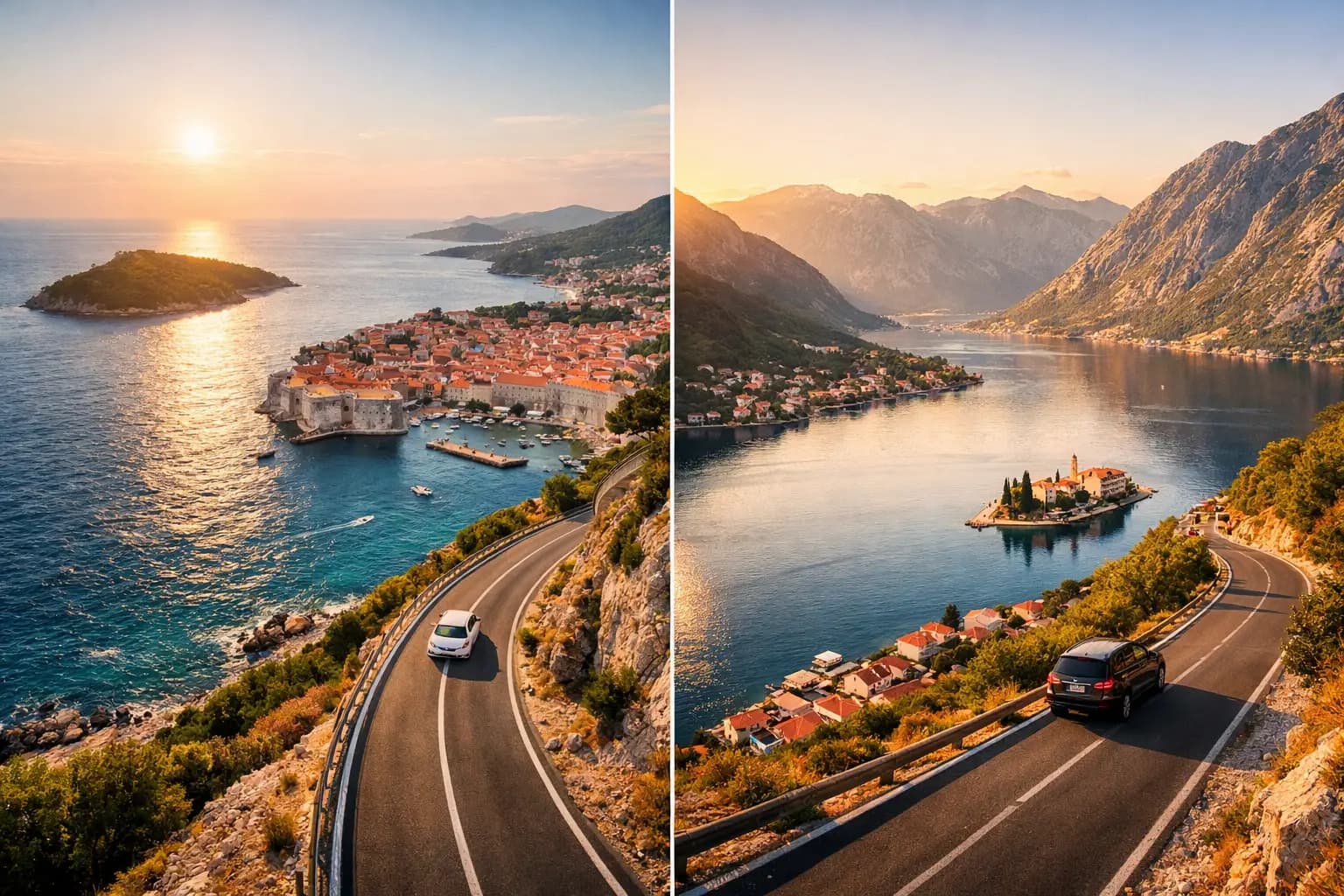
For travelers arriving by car from Serbia, North Macedonia, Romania, or nearby parts of the region, Bulgaria often feels more direct for a beach-first vacation. Once you arrive on the coast, many resort areas are compact enough that you can park the car and use it only for day trips.
Greece can be equally practical by road, especially for northern coastal regions. But its geography requires a more deliberate choice. A stay in Halkidiki is very different from an island holiday, where a ferry schedule can shape the entire arrival day. If you are traveling with small children, late flights, rental car pickups, and a two-hour ferry transfer can turn a beautiful destination into an unnecessarily tiring first day.
For diaspora travelers flying in, airport distance deserves more attention than most booking pages give it. A beachfront hotel may look excellent, but a long transfer after an evening flight can erase the benefit. Greece has more airport-and-island combinations, which creates options but also more ways to overcomplicate the trip. Bulgaria’s coastal airports can make a straightforward resort stay easier, particularly around Varna and Burgas.
Food and Evenings: Where Greece Pulls Ahead
Bulgaria has good seafood, grilled meats, fresh salads, and casual restaurants that work well for family meals. You can eat comfortably without turning every dinner into a planning exercise, and familiar Balkan flavors make it an easy destination for mixed-age groups.
Greece usually has the stronger food-and-evening experience. A simple meal of fish, vegetables, grilled meats, cheese, and local wine can become the center of the night rather than a break between beach activities. Smaller Greek towns also tend to reward wandering: a harbor walk, a quiet square, a bakery in the morning, a taverna where dinner lasts longer than expected.
This is not a reason to dismiss Bulgaria. It is a question of what you want your vacation rhythm to be. If your ideal evening is a relaxed promenade with ice cream, a children’s play area, and an early night before another beach day, Bulgaria works very well. If you want dinner and local atmosphere to carry equal weight with the sea, Greece has an advantage.
Families, Couples, and Different Travel Styles
Families with younger children often get more certainty in Bulgaria. Sandy beaches, shallow water, large apartments, and resort services reduce friction. Look beyond the loudest resort strips and prioritize a property within walking distance of the beach, grocery stores, and restaurants. That small location choice matters more than another hotel star.
Couples may prefer Greece, particularly if they want beach time without spending the whole week inside a resort bubble. A small coastal base allows for day trips, different swimming spots, and unhurried dinners. Greece is also a better match for travelers who get restless after two identical beach days.
Groups should be honest about priorities. Bulgaria is usually easier when everyone wants nightlife, beach clubs, and shared accommodation at a manageable price. Greece works better when the group is willing to pay more for atmosphere and accepts that transport, beach access, and dinner plans may take more coordination.
When to Go
July and August bring the warmest water and the highest demand in both countries. Bulgaria’s Black Sea coast can feel especially crowded in major resort areas, while Greece’s popular islands can feel both crowded and expensive. Booking early is sensible if you need a large apartment, connecting rooms, or a property directly on the beach.
June and September are the smarter months for many travelers. Prices are often more reasonable, roads and restaurants are less pressured, and the heat is easier to handle. Greece generally performs better at the edges of the season because its southern location keeps conditions reliably warm. Bulgaria can still be lovely in September, but the weather becomes less predictable later in the month.
The Better Choice Depends on Your Vacation Math
Pick Bulgaria when the priority is uncomplicated seaside time, a controlled budget, and a beach that works for everyone from toddlers to grandparents. Pick Greece when you want the coast to feel like a wider journey, with better odds of memorable meals, varied landscapes, and places worth leaving the sunbed for.
Before booking, make one decision first: do you want a stay where everything is close and easy, or a trip where getting around is part of the pleasure? Once you answer that honestly, the right coast becomes much clearer. Vaš odmor, jednostavno, starts with choosing the rhythm that actually suits your people.
Ready for your next adventure?
Compare flights, accommodation and activities – ljetovanje.com helps you find the best deals for your perfect holiday.
ljetovanje.com
Travel expert and contributor for Ljetovanje.com