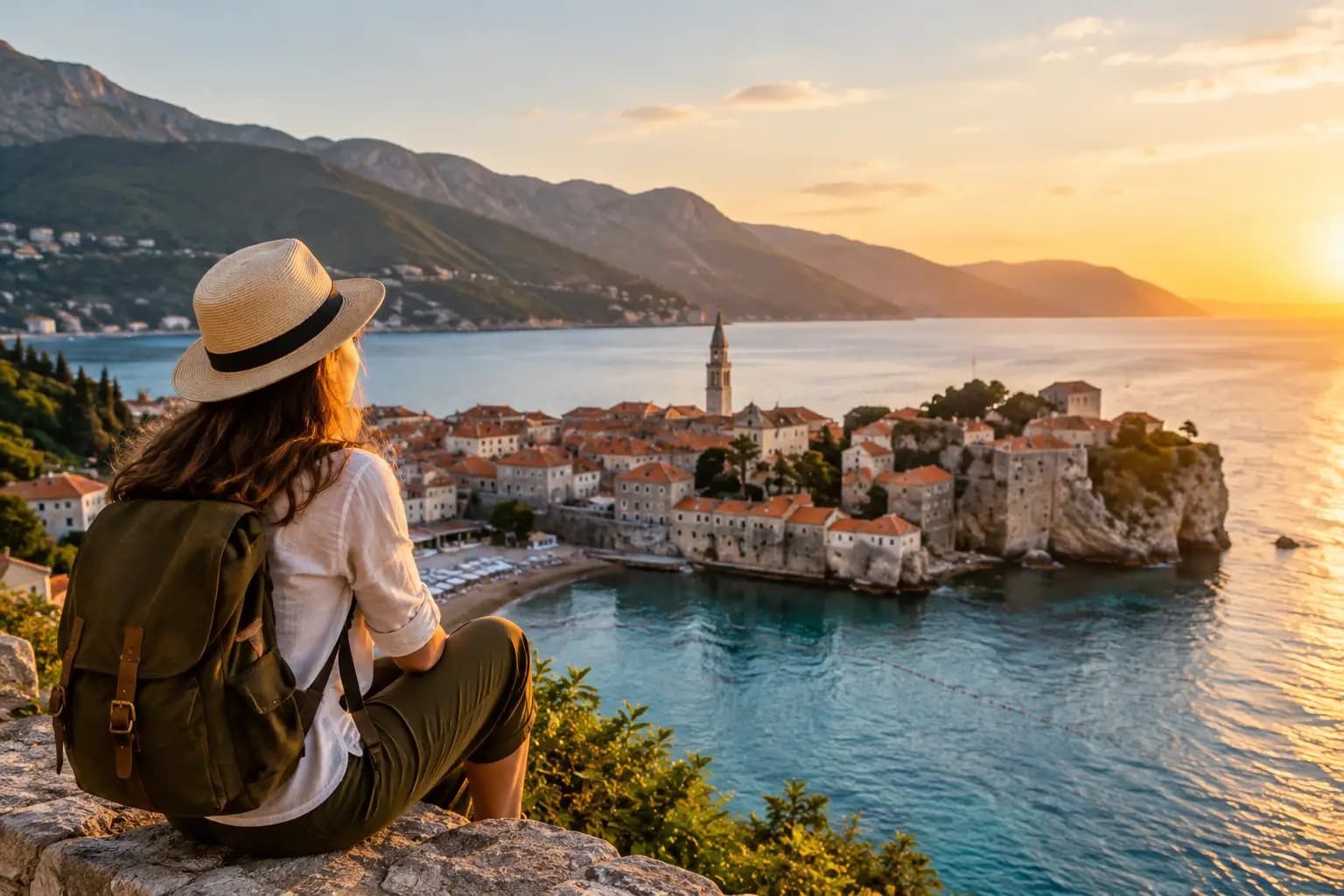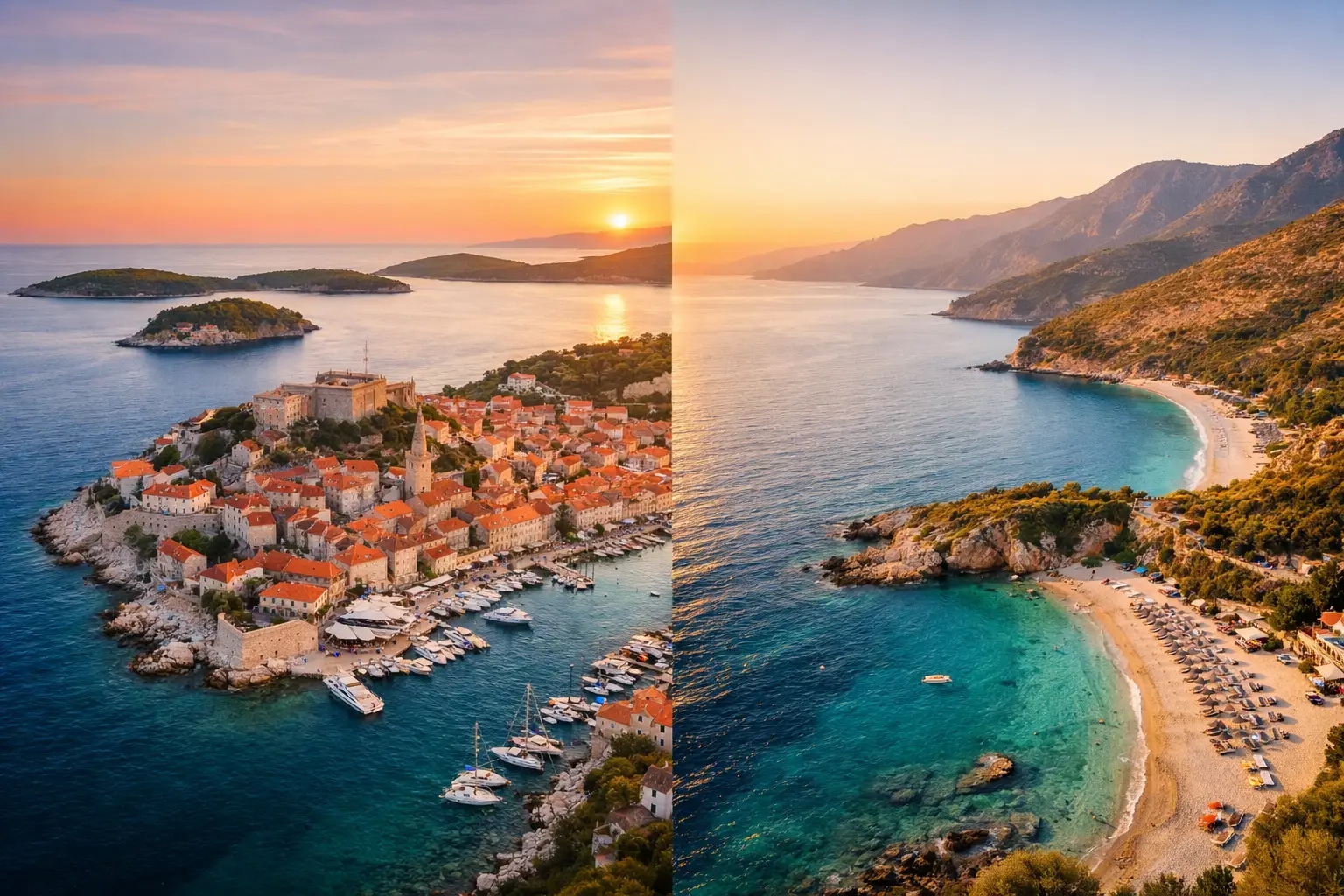
A Croatia or Albania summer can look similar on a map: clear water, coastal drives, grilled fish, apartment terraces, and long evenings by the sea. In practice, they offer two very different holiday rhythms. Croatia is easier to plan, more polished, and usually more expensive. Albania feels less packaged, often better value, and rewards travelers who are comfortable with a little more spontaneity.
For families coordinating flights, a rental car, and a week in one apartment, that distinction matters more than the color of the water. The better choice depends on whether you want predictability or discovery, a classic Adriatic setup or a warmer, more relaxed southern coast.
Croatia or Albania Summer: The Fast Answer
Choose Croatia if easy logistics, reliable accommodation standards, walkable old towns, and island hopping are high on your list. It works especially well for first-time visitors, multigenerational trips, and anyone arriving from the diaspora with limited vacation days. You can land near the coast, pick up a car, settle into a familiar-style apartment, and start swimming the same afternoon.
Choose Albania if your budget needs to stretch further, you prefer broad beaches and lively beach towns, or you are happy to trade some polish for more variety. Albania is particularly appealing for couples, friend groups, and repeat Balkan travelers who do not need every detail to run on a timetable.
Neither country is automatically the "cheap" or "beautiful" option. Croatia can be surprisingly good value in June or September, especially outside the headline islands. Albania can become expensive in popular Riviera towns during late July and August, when demand is concentrated and good apartments disappear quickly.
Beaches: Pebble Clarity or Sandy Ease?
Croatia’s signature beach experience is a rocky or pebble cove with exceptionally transparent water. It is ideal for swimming, snorkeling, and escaping the heat in a small bay. Pack water shoes, though. They make entering the sea easier and are useful on many beaches, particularly around the islands and parts of Dalmatia.
Croatia also has sandy options, but they are less common than the postcard-blue pebble coves. Families with very young children may prefer areas with shallow water and gentler access rather than choosing a destination based only on photographs. A beach that looks dramatic can be less comfortable with a stroller, inflatable toys, and two tired parents.
Albania gives you more long, sandy stretches, especially along the coast north of Vlore and in several southern resort areas. The Albanian Riviera has clear water and more dramatic coves, while larger beach towns offer easier space for umbrellas, beach bars, and all-day lounging. Sand is simpler for children and easier if your idea of a beach day involves staying put from morning until sunset.
The trade-off is atmosphere. Croatia’s smaller coves can feel intimate but crowded at peak hours. Albania’s larger beaches have room to breathe, yet some areas feel busier and more built up in high season. For quieter swimming in either country, stay outside the most famous town center and drive or walk to different beaches each day.
Cost: Where Does Your Money Go Further?
Albania generally wins on daily spending. Restaurant meals, coffee, beach service, and apartments can cost noticeably less than comparable places on Croatia’s coast. That difference is meaningful for a family of four or a group splitting a villa, particularly during a two-week stay.
Croatia’s prices have risen sharply in popular coastal areas. A central apartment in Split, Hvar, Dubrovnik, or a well-known Istrian town can take up a large share of the budget before you have paid for meals, parking, ferries, and excursions. The quality is often good, but the premium is real.
Still, total trip cost is not only about the dinner bill. Croatia can come out ahead if you find a direct flight to Split, Zadar, Pula, or Dubrovnik and avoid a long transfer. Albania is often best reached through Tirana, followed by a drive to the coast. If flight schedules are inconvenient or your transfer adds a night in the capital, some of the expected savings shrink.
For both destinations, July and August are the most expensive and busiest weeks. Travelers with flexibility should look at mid-June or September. Sea temperatures remain inviting, accommodation availability improves, and you are less likely to spend every evening searching for parking or a dinner table.
Getting There and Moving Around
Croatia is the simpler choice for travelers who want to minimize planning friction. Its coastal airports put you close to established resort areas, and the road network makes point-to-point travel straightforward. Ferries add another layer of choice: you can combine a mainland stay with an island without turning the trip into a major operation.
That convenience also makes Croatia a strong option for a short break. If you have six or seven days between work commitments, a direct flight and one well-chosen base can be enough. There is no need to chase every island. One town, a rental car for a few days, and a couple of boat trips usually create a better vacation than changing accommodation every other night.
Albania benefits from a rental car more than Croatia does. The coast is not one uniform strip, and distances can take longer than they appear on a map. A car gives you the freedom to leave a crowded beach, find a small restaurant inland, or choose accommodation with a view rather than a central location. It also asks more from the driver: road conditions, parking, and travel times deserve realistic expectations.
For a relaxed Albanian itinerary, avoid trying to cover the entire coast in a week. Pick one or two bases. A northern beach town and a southern Riviera stop can work for a longer stay, but packing daily defeats the point of a seaside holiday.
Food, Evenings, and the Feel of the Place
Croatia is built for evenings that begin with a swim and end on a stone-paved promenade. You will find seafood, grilled meat, pasta influences, ice cream, wine bars, and restaurants that are easy to understand even when you arrive without a plan. In heavily visited places, the challenge is sorting out the memorable meal from the merely convenient one. Walk one or two streets away from the waterfront and look for shorter, more local-focused menus.
Albania’s dining scene often feels more informal and generous. Fresh fish, grilled vegetables, salads, lamb, and shared plates suit travelers who enjoy long meals without watching the clock. The best experiences are not always in the most polished beachfront locations. A simple family-run restaurant just outside the main strip may be the meal you remember.
Croatia tends to offer a more consistent visitor experience. Albania has more variation, which can be part of its appeal. If you value certainty, Croatia is easier. If you enjoy finding your own place rather than following a well-worn route, Albania has more room for pleasant surprises.
Which One Works Best for Your Travel Style?
For a family holiday, Croatia is usually the safer recommendation, particularly when children are young or grandparents are joining. Transport is easier, accommodation is more standardized, and coastal towns offer a dependable mix of beaches, supermarkets, restaurants, and evening walks. Choose Albania instead if a sandy beach and a larger apartment for the budget matter more than a tightly organized itinerary.
For couples, Albania can feel more rewarding. A hillside stay, a rental car, and time to explore different beaches create a trip with more contrast than a single resort vacation. Croatia remains excellent for couples who prefer boutique towns, boat days, and an easy dining-and-walking rhythm.
For a first Adriatic-style trip from the US or Western Europe, Croatia removes more uncertainty. For travelers who have already done Split, the islands, or Istria and want a different kind of coast without leaving the region’s familiar food and hospitality behind, Albania is a convincing next step.
A Better Way to Decide Before You Book
Start with the flight, not the beach photo. Check which airport gives you the best arrival time, baggage allowance, and transfer distance for your actual dates. Then compare apartments based on parking, air conditioning, beach access, and cancellation terms - not just the view from the balcony.
If Croatia fits your budget after flights and accommodation, its ease may be worth the higher daily costs. If those numbers feel tight, Albania can give you more space, more meals out, and less pressure to count every expense. Ljetovanje.com is built around this practical comparison: the right summer trip is the one that still feels easy after the booking confirmation arrives.
The useful question is not which coast is better. It is whether you want your holiday to run smoothly from the first landing, or whether you want a little more freedom to take the road that was not part of the original plan.
Ready for your next adventure?
Compare flights, accommodation and activities – ljetovanje.com helps you find the best deals for your perfect holiday.
ljetovanje.com
Travel expert and contributor for Ljetovanje.com