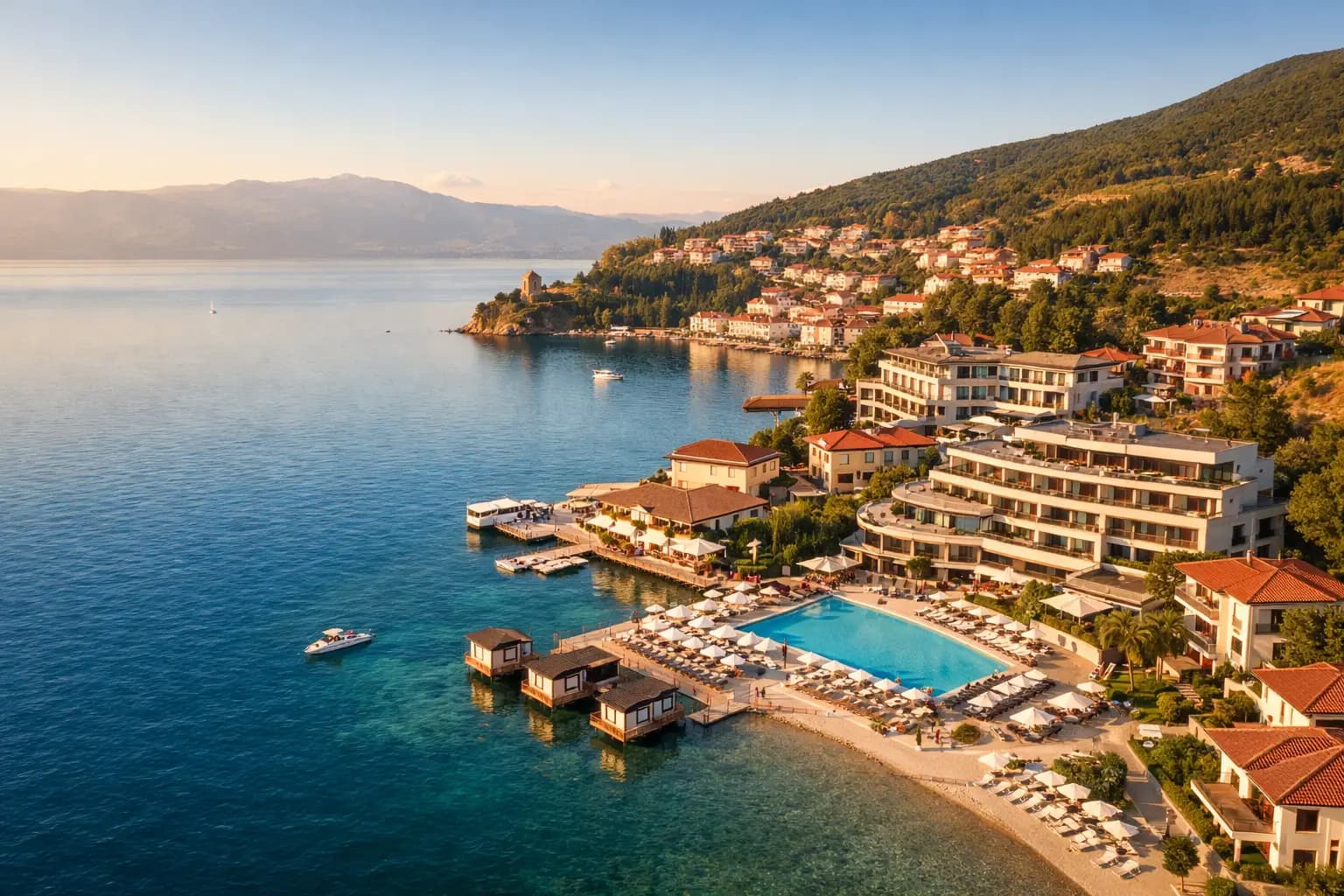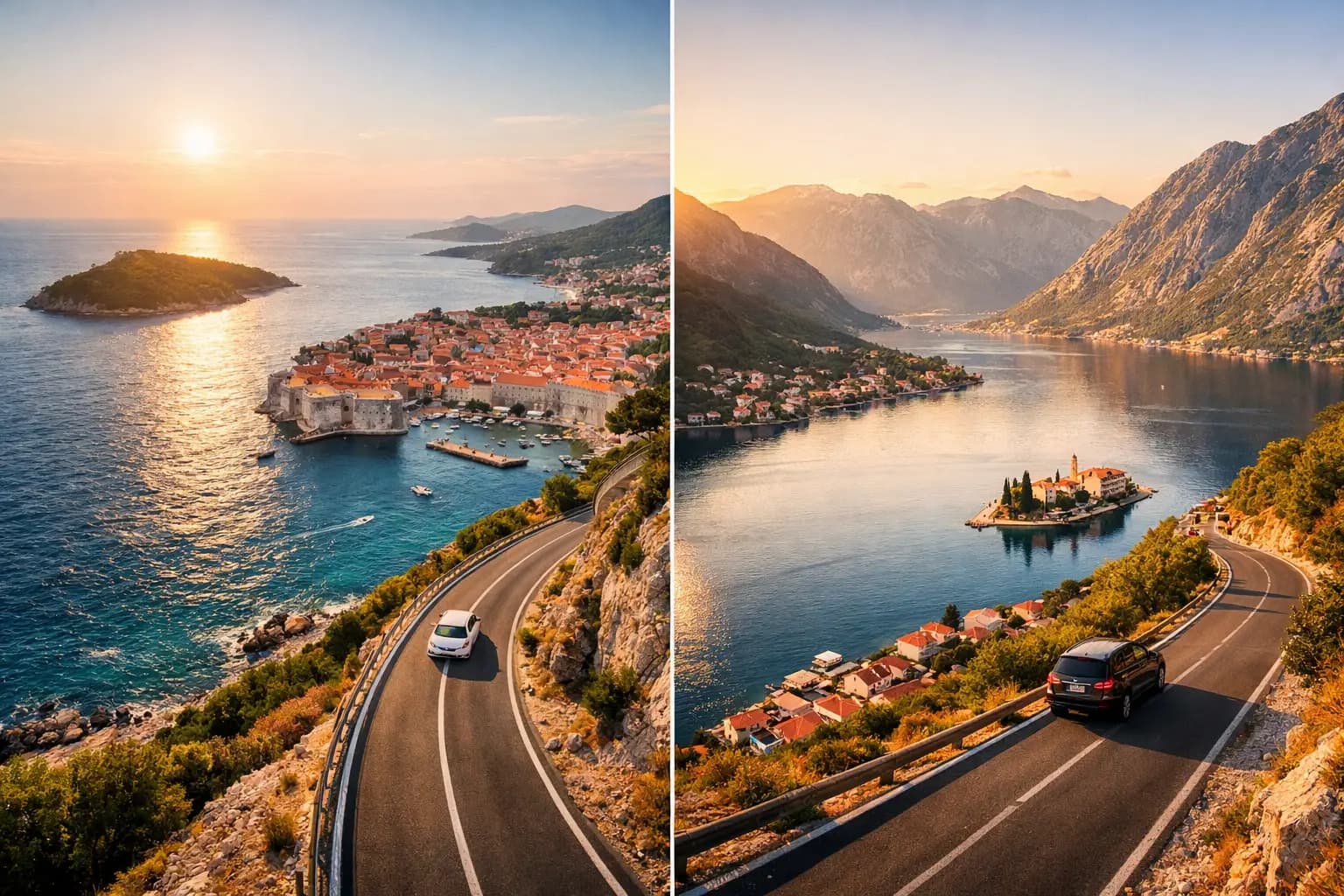
A hotel in Crete can look cheaper than one in Budva at first glance, then end up costing more once breakfast, parking, and cancellation terms show up at checkout. That is why travelers who want to compare hotel prices Mediterranean options properly need more than a quick glance at nightly rates. If you are planning from Chicago, Zurich, Vienna, or Belgrade, the real question is not just what looks cheapest. It is what gives you the best value for your route, dates, and travel style.
Why Mediterranean hotel prices are harder to compare
Mediterranean travel sounds simple until you start pricing it. A beachfront stay in Croatia, a family hotel in northern Greece, and a resort on the Albanian coast may all sit in the same rough price range on paper, but they are rarely equivalent.
The first reason is seasonality. In this region, prices do not just rise in summer. They spike around school holidays, long weekends, and local peak periods that many travelers miss if they are only watching broad monthly averages. A room in late June can cost much less than the same room in mid-July, even when the weather feels nearly identical.
The second reason is accommodation type. In the Mediterranean, many travelers from the Balkans and diaspora do not only book classic hotels. They compare hotels with aparthotels, family-run guesthouses, and stays that function more like private apartments. If you narrow your search too early, you can miss better-value options that fit how regional travelers actually vacation.
Then there is the location trap. A hotel marked as being in Split, Budva, or Corfu may be 20 to 40 minutes from the part of town or beach you actually want. The lower price may be real, but so is the daily taxi bill, the parking hassle, or the lost time.
How to compare hotel prices Mediterranean trips the right way
The best comparison starts with total trip logic, not the hotel itself. Think in layers.
Start with your exact travel pattern
A couple flying in for four nights should compare differently from a family driving from Germany to the Adriatic for ten days. If you are arriving by car, free parking matters. If you land late, a cheaper hotel an hour from the airport may not be cheaper in practice. If you are traveling with children, breakfast included can save more than the room difference suggests.
This is where many travelers lose money. They compare properties as if every stay works the same way, when in reality the route shapes the value.
Compare final price, not headline rate
A low nightly rate is only useful if it reflects the final amount you will pay. Mediterranean hotel pricing often shifts once city taxes, resort fees, parking, crib charges, beach access, and meal plans enter the picture.
When comparing options, check the final payable amount for the full stay. Do not stop at one night. A hotel that is $18 cheaper per night can still cost more overall if fees are added later or if cancellation flexibility is weaker.
Match room type carefully
This sounds obvious, but it is where bad comparisons happen. One property may show a standard room without breakfast, while another shows a sea-view room with half board. If you are not matching room category, occupancy, and board basis, the numbers are misleading from the start.
For families especially, this matters a lot. Some “cheap” rates are for cramped doubles with a sofa bed, while a slightly more expensive family room gives you far more comfort for a week-long stay.
What usually changes the price most
If you compare enough Mediterranean hotels, a few patterns show up quickly.
Beachfront premiums are real
The first row to the sea often carries a visible markup, especially in Croatia, Montenegro, and on the Greek islands. Sometimes it is worth it. Sometimes a hotel 7 to 10 minutes inland offers the same standard for meaningfully less.
The trade-off depends on who you are. Couples on a short trip may value immediate access more than savings. Families staying longer may prefer more space and a lower rate, even if it means a short walk.
Flexible cancellation usually costs more
Travelers often treat cancellation terms as a detail until plans change. In Mediterranean summer travel, flights move, ferries shift, and family schedules can get complicated. A nonrefundable room may be the cheapest visible option, but it is not always the smartest one.
Paying a little more for flexibility makes sense if your dates are not fully fixed. If your trip is certain and your savings are significant, the stricter rate can be worth it. This is one of those cases where the right choice depends on risk tolerance, not just budget.
Meal plans distort comparisons
Half board can look expensive until you price restaurants in a peak-season resort town. On the other hand, in destinations with strong local food scenes and plenty of casual dining, paying extra to eat every dinner at the hotel may limit both your budget and experience.
For a resort-heavy area, board basis matters. For a town where you want to be out every evening, room-only or breakfast-only often makes more sense.
Best timing if you want better hotel rates
Price timing in the Mediterranean rewards travelers who are alert, not just early.
Booking very early can help for high-demand dates like August, especially for family rooms and well-rated coastal hotels. But not every destination follows the same curve. Some shoulder-season stays in May, early June, or September remain reasonably priced longer and can even fluctuate downward if demand softens.
For most travelers, the sweet spot is not chasing the absolute lowest theoretical price. It is booking when your preferred area, room type, and cancellation conditions line up at a rate you can live with. Waiting for a last-minute drop in a peak coastal market is often a gamble.
If your dates are flexible, the biggest savings usually come from shifting the trip by a few days or one week, not from obsessively refreshing the same exact search.
Compare hotel prices Mediterranean destinations by value, not hype
Not every popular coast offers the same value at the same time. That matters if you are balancing quality, convenience, and budget.
Croatia tends to price strongly in peak summer, especially in top island and old-town markets, but you may get excellent standards and reliable infrastructure. Montenegro can offer better price-to-location ratios in some stretches, though quality can vary more sharply between properties. Greece often gives broad range, from practical mainland stays to premium island pricing, so comparison matters even more. Albania can be attractive on price, but the best-value choices get noticed faster than people assume, especially in the heart of summer.
This is why broad statements like “country X is cheaper” do not help much. Value depends on your dates, your airport or driving route, and whether you care more about beach access, hotel standard, or nearby town life.
A practical platform such as Ljetovanje.com is useful here because it reflects how people from the region and diaspora actually plan - comparing destinations, routes, and accommodation logic together, not as separate decisions.
Common mistakes that lead to overpaying
Many travelers overpay in ways that are small individually but expensive together.
The most common mistake is focusing only on the first page of results. The second is ignoring transport context. A cheaper hotel that requires a rental car, daily parking, and long transfers is not a bargain if you were trying to keep the trip simple.
Another mistake is treating review scores as universal truth. An 8.9 in a quiet family area may be better for your trip than a trendier 9.1 in a noisy nightlife zone. Price comparison only works if you understand what kind of stay you want.
There is also the false economy of booking too far from the center just to save on room rate. Sometimes that works well. Sometimes it means you spend the week coordinating rides, carrying beach gear uphill, and wishing you had paid a bit more.
A better way to judge real value
When you compare Mediterranean hotels well, you stop asking, “Which one is cheapest?” and start asking, “Which one fits this trip best?”
Real value usually comes from the combination of four things: fair total price, useful location, room setup that matches your group, and terms you can live with. If three are strong and one is weaker, it may still be a great booking. If the headline rate is low but everything else is a compromise, it probably is not.
That matters even more for diaspora travelers who often have tighter date windows and mixed priorities - holiday, family visits, convenience, and budget all at once. The smartest bookings are rarely the flashiest ones. They are the ones that remove friction from the trip.
The best Mediterranean hotel deal is not the one that wins on a screenshot. It is the one that still feels right when you arrive tired, check in late, and realize you booked a place that actually fits how you travel.
Ready for your next adventure?
Compare flights, accommodation and activities – ljetovanje.com helps you find the best deals for your perfect holiday.
ljetovanje.com
Travel expert and contributor for Ljetovanje.com