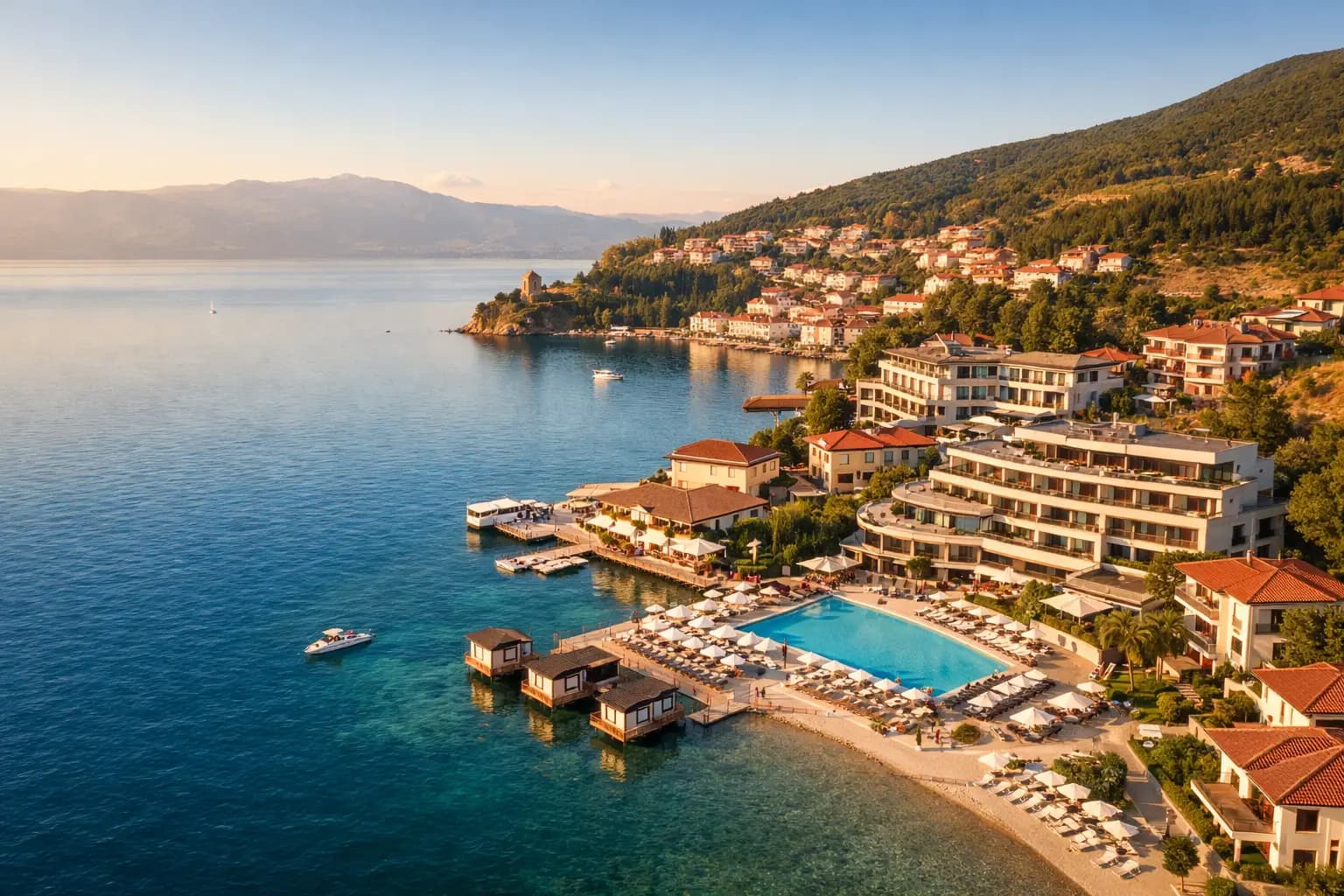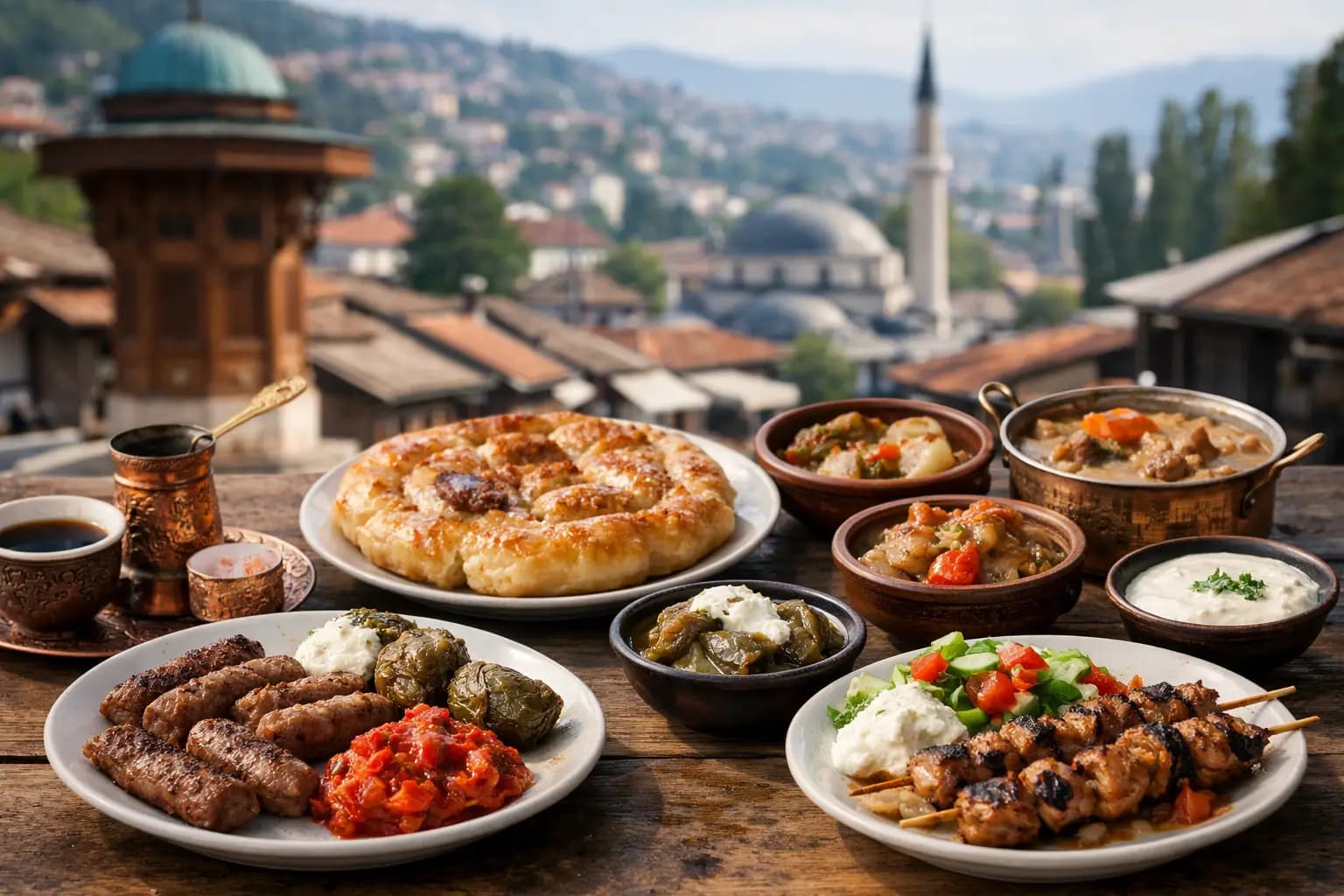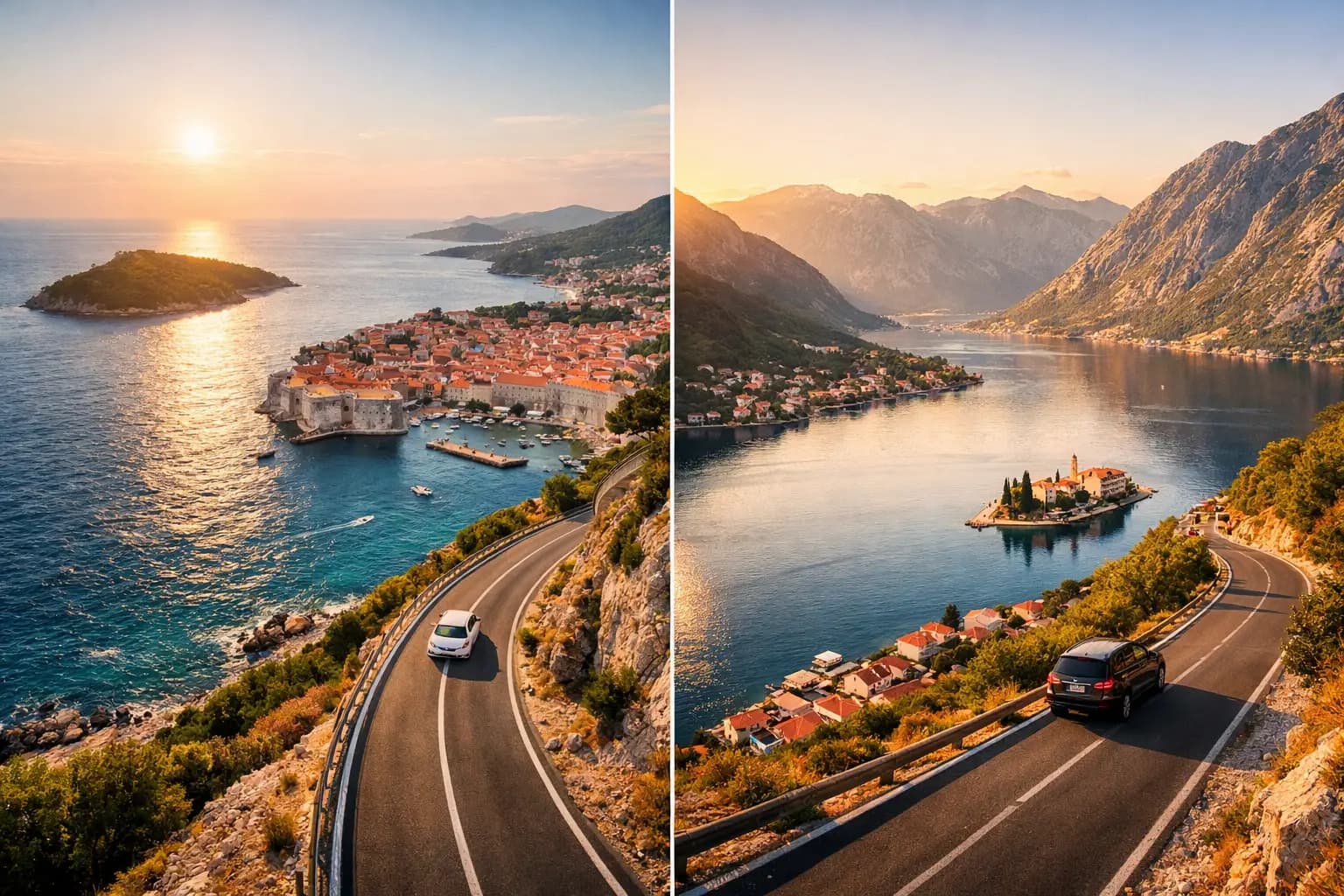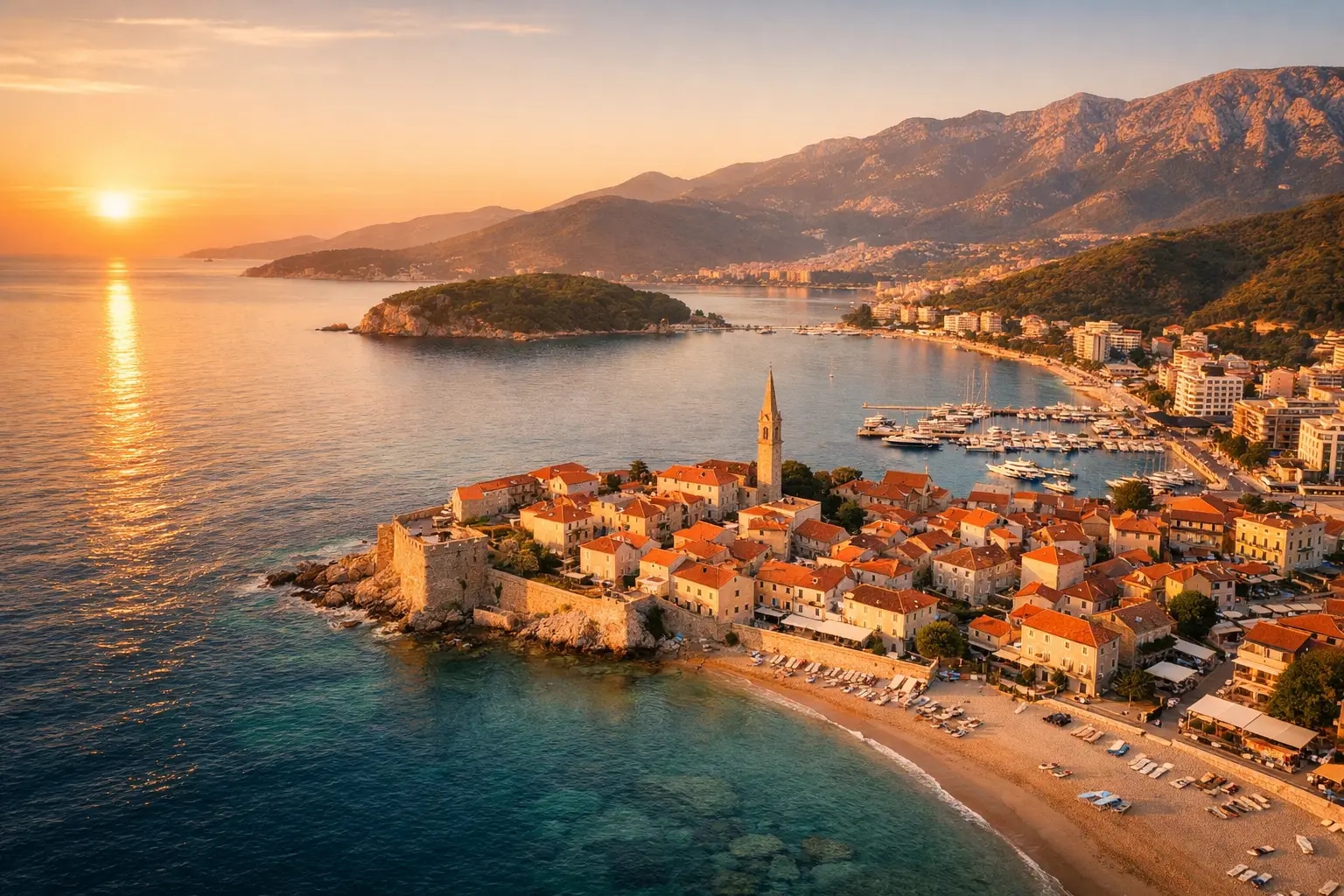
A late-September swim in Dalmatia, an October seafood lunch in Kotor, or a May apartment stay on a quieter island can feel like the Adriatic at its best. Adriatic shoulder season travel trends are increasingly shaped by travelers who want that version of the coast: warm enough for a real vacation, calmer than July, and less punishing on the budget.
For families, couples, and diaspora travelers arriving from Germany, Austria, Switzerland, the United States, and elsewhere, the appeal is not simply lower prices. It is the chance to travel with fewer compromises. Roads are easier, restaurant tables are available, apartment hosts have more time to help, and a one-week trip does not have to revolve around avoiding midday crowds.
Still, shoulder season is not one predictable product. A trip in late May has different strengths and risks than one in mid-October. The useful question is not whether to avoid summer altogether, but when the coast matches the kind of trip you actually want.
Why Adriatic shoulder season travel trends are growing
The Adriatic’s peak season remains strong, particularly from mid-July through late August. But the travel calendar is widening on both sides. Travelers are more willing to take a beach break in May, June, September, and early October when they can combine sea time with old towns, food, wine, hiking, and day trips.
That shift is especially visible among people who know the region well. Someone returning to visit family in Split, Dubrovnik, Herzegovina, or coastal Montenegro may add several days by the sea before or after the visit. They do not need every beach club open or a packed nightlife schedule. They need a practical flight, a clean place to stay, reliable weather, and a coastal town that still has some life outside August.
Remote and flexible work patterns also matter, although they are not the whole story. A couple can travel Tuesday to Tuesday, avoid the expensive weekend flight pattern, and choose an apartment with a proper table and kitchen. Families with younger children can do the same before school schedules take over. For many, this is less about working from the beach and more about having freedom over dates.
The result is a more selective traveler. They compare total trip cost, not only the nightly room rate. A cheaper apartment means little if the closest airport requires a long transfer, rental cars are scarce, or restaurants in a small resort have already closed for the year.
The new priorities: value, access, and a place that still feels alive
The strongest shoulder-season destinations are not always the ones with the lowest prices. They are the ones where the full trip still works.
Flight schedules set the real calendar
For diaspora travelers, direct flights often determine whether a destination is practical. Summer routes may operate only a few days per week outside the peak, while schedules from major European hubs can remain more dependable into September and restart earlier in spring. Before choosing a quieter island or smaller coastal town, check the arrival airport and transfer timing first.
This matters even more for short breaks. Landing late in the evening and facing a three-hour transfer can erase the value of a four-night trip. A destination near Split, Dubrovnik, Zadar, Tivat, Podgorica, or Tirana can make more sense than a supposedly cheaper option that consumes two travel days getting there.
For travelers coming from North America, shoulder season often fits better with longer itineraries. Rather than flying across the Atlantic for a single resort stay, combine a few coastal nights with family time, a city stop, or inland travel. September is usually the easier bet for this approach because more services are still operating and the sea has had all summer to warm up.
Apartments remain the practical choice, but location matters more
Apartments are central to how Balkan families and diaspora travelers use the coast. They allow flexible meals, room for children, parking, and the comfort of staying several days without living out of a hotel room. In shoulder season, they can also offer better value than peak dates.
But the old rule still applies: do not book only by the view. In May or October, a steep walk to an isolated apartment can be less charming when rain arrives, beach facilities are closed, and the nearest open store is a drive away. A central neighborhood in a year-round town may cost more per night but save money and frustration on transport and meals.
Look for heating or reliable air conditioning, clear parking details, and recent guest comments about Wi-Fi and cleanliness. Coastal evenings can turn cool quickly, particularly in spring. If you are traveling with a baby, older relatives, or simply more luggage than you expected, stairs and road access deserve as much attention as the terrace.
Travelers are choosing towns over isolated resorts
A clear trend is the preference for places with everyday life beyond tourism. Historic centers, waterfront promenades, local markets, and restaurants that serve residents give a trip more resilience when the weather is mixed.
On the Croatian coast, cities and larger island towns tend to work better late in the season than small, purpose-built beach settlements. In Montenegro, the Bay of Kotor offers a useful mix of scenery, walkable towns, and nearby services, though it can feel quieter by late October. Albania’s southern coast can be excellent for value and dramatic drives, but travelers should expect a faster seasonal slowdown in smaller villages.
This does not mean avoiding quieter places entirely. It means matching them to the month. A remote cove can be ideal in June or September when the water is warm and restaurants remain open. In late October, a town with a grocery store, cafés, and an indoor backup plan is the safer choice.
Spring and fall are not interchangeable
Travel advice often treats the shoulder season as one long period. That is too simple for the Adriatic.
Late April through June: green landscapes, cooler water
Spring is the better choice for active travel. The coast is greener, waterfalls and rivers are fuller, and walking through Dubrovnik, Split, Šibenik, or coastal Montenegro is much easier before summer heat settles in. Road trips also benefit from lighter traffic and more available parking.
The trade-off is the sea. By late May and June, swimming can be very pleasant during a warm spell, especially in sheltered bays, but it is not guaranteed. Travelers whose vacation depends on daily beach time should favor June over April or early May, and should choose accommodation with a pool only if that genuinely matters to them.
Spring also rewards travelers who build a flexible itinerary. Plan a beach afternoon, but leave room for a winery visit, a boat trip if conditions allow, or an inland day when the forecast changes. The best shoulder-season trips are not rigid.
September and early October: the strongest all-around window
For many travelers, September is the Adriatic’s sweet spot. The sea is warm, days are still long, and the intensity of August begins to ease. It is particularly good for couples, multigenerational groups, and anyone who wants both swimming and sightseeing without gambling on cold water.
Early October can still be excellent, especially farther south, but the weather becomes more variable and seasonal closures become more noticeable. It is a good month for travelers who value calm, food, coastal walks, and lower accommodation costs more than guaranteed sunbathing. If beach weather is non-negotiable, book closer to late September and keep cancellation terms in mind.
How to plan a shoulder-season Adriatic trip without false savings
Start with the travel corridor, then choose the destination. Compare flights into more than one airport, including the cost of checked bags, car rental, transfers, and the hours lost to awkward connections. The lowest fare is not always the least expensive trip.
Next, decide what cannot be compromised. If you want reliable swimming, prioritize September and a location with sheltered beaches. If you want hiking, cities, and food, May or October may offer a better experience. If you are traveling with children, check whether the pool, playground, ferry line, or nearby restaurant is actually open on your dates.
Finally, reserve room in the budget for spontaneity. A shoulder-season forecast can change quickly. The advantage is that you may be able to switch a boat day, add a better restaurant, or move to a livelier town without fighting peak-season availability. Ljetovanje.com is built around that practical comparison mindset: transport, accommodation, and location should make sense together, not as separate bargains.
The Adriatic outside peak summer is not a discounted copy of July. It is a different kind of trip - quieter, more flexible, and often more connected to the places people come back to year after year. Choose the right dates, stay somewhere that remains alive after summer crowds leave, and the coast can feel less like a schedule to survive and more like your vacation, simply.
Ready for your next adventure?
Compare flights, accommodation and activities – ljetovanje.com helps you find the best deals for your perfect holiday.
ljetovanje.com
Travel expert and contributor for Ljetovanje.com