A beach holiday can look very different on a map than it does at 2 p.m., when the parking lot is full, the kids are hungry, and the closest shade is taken. That is why Albania versus Greece beaches is not really a question of which country has prettier water. Both do. The useful question is which coast matches your budget, travel style, and tolerance for crowds in the month you can actually travel.
For travelers from the Balkans and diaspora families planning one reliable week by the sea, Greece often wins on choice and established holiday infrastructure. Albania can win on value, dramatic scenery, and the feeling that you have found a coastline before it became fully polished. Neither is automatically the better vacation. They reward different priorities.
Albania versus Greece beaches: the real differences
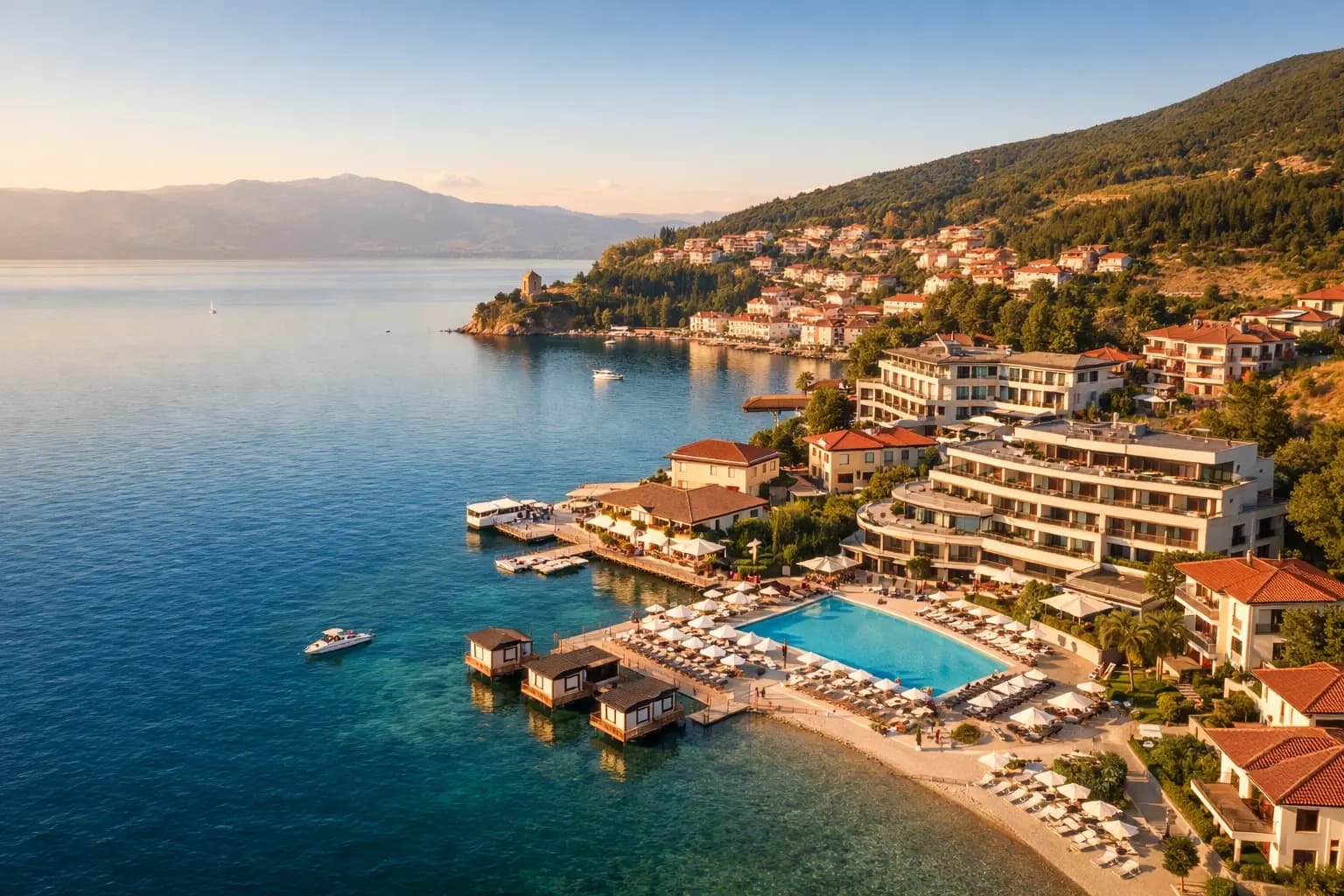
Greece has an enormous advantage in variety. You can choose broad sandy beaches, sheltered family coves, organized resort strips, island villages, and quieter mainland bays without leaving the country. The experience is generally more predictable: beach facilities are common, roads to major resorts are familiar, and the range of accommodation is deep enough to suit couples, groups, and multigenerational families.
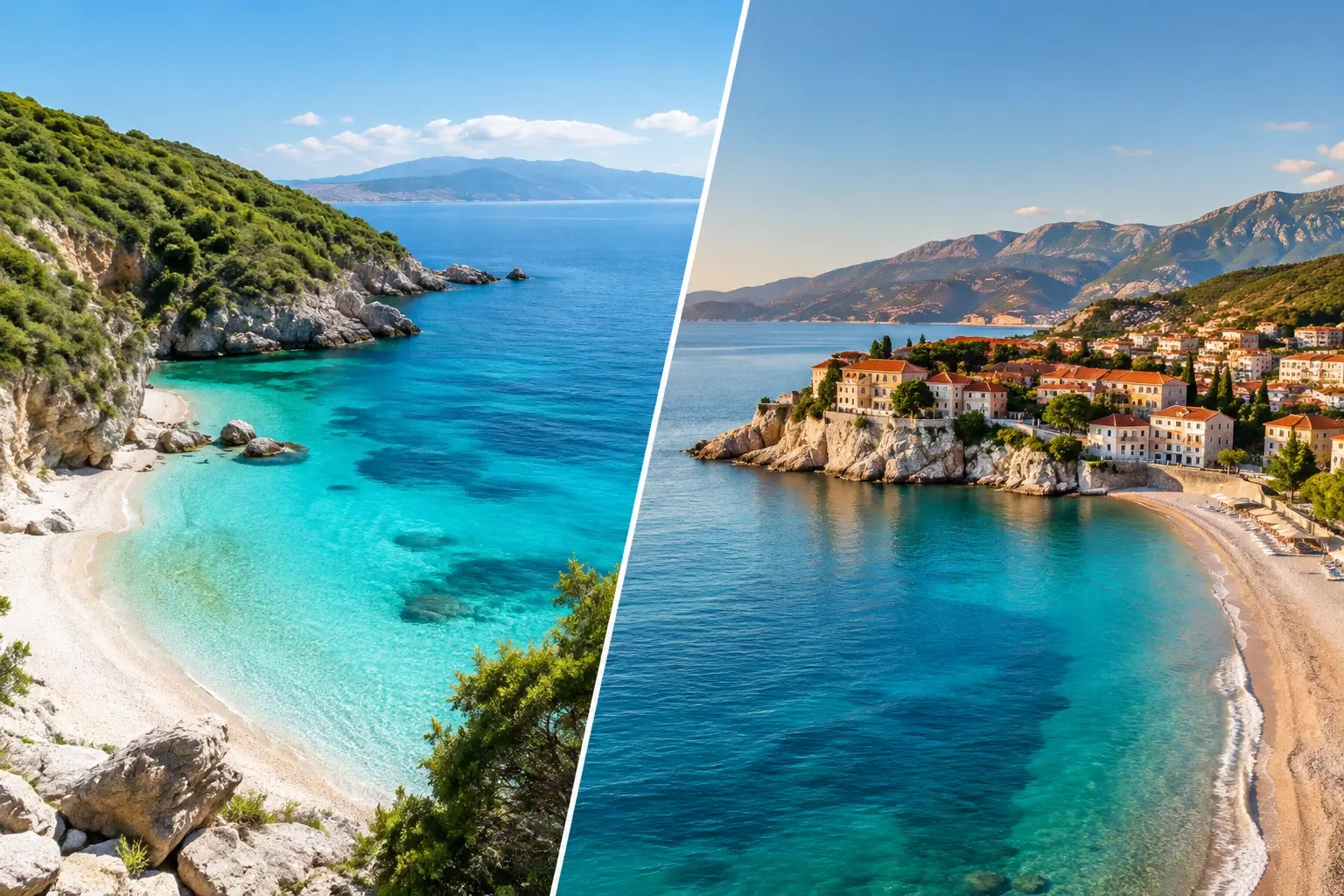
Albania’s southern coast is more compact and more visually dramatic. The road south of Vlore toward Himare, Borsh, and the Saranda area passes cliffs, olive-covered slopes, and bright blue coves that can feel closer to an island escape than a conventional Adriatic resort. The trade-off is that the coastline is less uniform. One beach may have easy parking, sun beds, and restaurants; the next may require a steeper walk, more patience on a narrow road, or a willingness to accept simpler services.
If your priority is dependable convenience, Greece has the edge. If you want a more spontaneous coastal road trip and do not need every detail arranged in advance, Albania is often more compelling.
Water, sand, and the kind of beach day you want
The clearest water is not exclusive to either destination. On Albania’s Ionian coast, beaches around Ksamil and the Himare area can be brilliantly turquoise, especially on calm mornings. Pebble beaches are common, which often means clear water but also makes water shoes useful. In peak summer, the most photographed spots can become crowded quickly, and the beach experience may feel more organized and busy than the images suggest.
Greece offers a wider mix of shorelines. Families who want soft sand and shallow entry have many more options, particularly on larger islands and parts of the mainland. Couples may prefer smaller coves and rocky swimming spots, while travelers who like a full-service day can find beaches with loungers, showers, tavernas, water sports, and easy access from hotels.
This is where “best beaches” can be misleading. A beautiful white-pebble cove is not necessarily ideal for a family with a stroller. A long sandy Greek beach may be less dramatic in photos but far more comfortable for an all-day stay. Think less about color and more about your actual routine: how far you want to carry bags, whether you need shade, and whether children can enter the water gradually.
Albania is strongest for scenery and short hops
Albania suits travelers who enjoy changing beaches during the same trip. You can stay near Himare and try several different coves, or base yourself around Saranda for restaurants, evening activity, and access to nearby beaches. Ksamil is attractive for its shallow, bright water and lively summer atmosphere, but it is not the quiet secret it is sometimes presented as. In July and August, reserve accommodation and expect company.
Borsh is a useful alternative for those who want more space. It has a long shoreline, a more relaxed feel, and often better value than the most popular small bays. The coast near Dhermi can appeal to younger travelers and groups looking for beach clubs and a more social evening scene, although prices and crowds rise sharply in high season.
Greece is strongest for range and reliability
Greece works especially well when different people in the same group want different things. One person can spend the day on a sun bed with service, another can rent a boat or paddleboard, and grandparents can reach the sea without navigating a rocky path. Resort areas are not all identical, but the basic holiday system is well developed.
The Greek mainland can be a practical choice for travelers who prefer driving and do not want to coordinate ferries. Islands add that classic holiday feeling, but they also add transfer time, luggage handling, and higher costs at the busiest times. For a one-week vacation, the most beautiful island is not always the smartest option if it takes most of a day to reach it.
Price: Albania’s advantage has limits
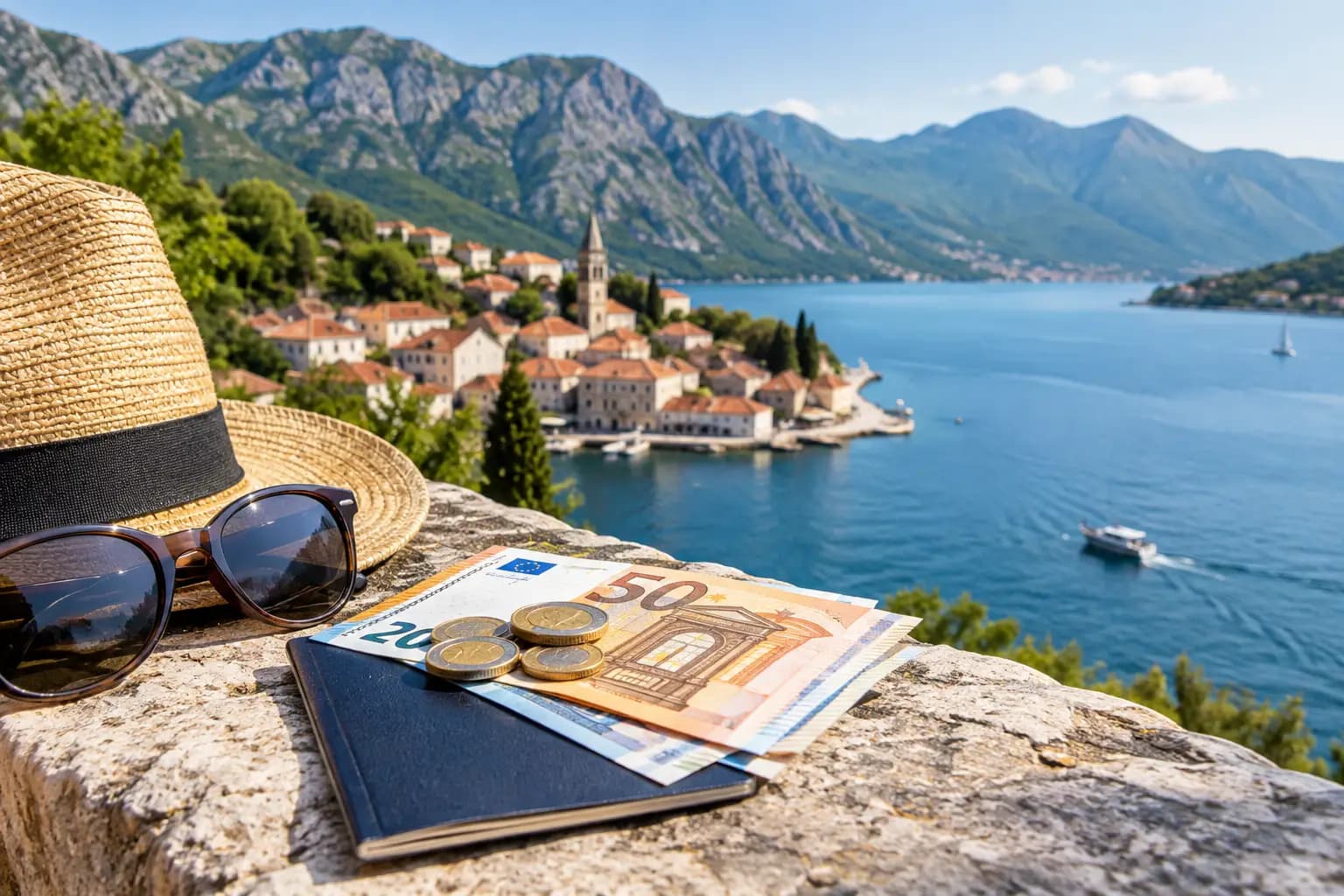
Albania is usually the lower-cost choice, particularly for apartment stays, casual meals, and day-to-day spending. For travelers arriving by car from across the region, that difference can leave meaningful room in the budget for a larger apartment, more dinners out, or a longer stay. This matters for families, where the total cost is rarely just the nightly room rate.
But Albania is no longer uniformly cheap in the places everyone sees online. Popular coastal towns in July and August can have rates that surprise travelers expecting a bargain. The best-value properties are often outside the center or require booking well ahead. In highly demanded locations, a sea view and parking can change the price substantially.
Greece is often more expensive, especially on famous islands and during school vacation weeks. Yet it can offer better value than expected if you choose a mainland resort, travel in June or September, or stay slightly away from the waterfront. There is also a practical value in predictable quality: a place with reliable air conditioning, a usable kitchenette, good access, and clear beach logistics can be worth paying for after a long journey.
The right comparison is not Albania cheap versus Greece expensive. Compare like for like: an apartment with parking, walking access to the beach, enough beds for the group, and cancellation terms you can live with.
Getting there can decide the trip
For travelers driving from the Western Balkans, Albania can be the more direct choice depending on the starting point, particularly if the plan is a flexible road trip rather than an island itinerary. A car also makes it easier to explore the southern coast, carry beach gear, and avoid relying on local transfers. The downside is that peak-season driving requires patience, especially around the most popular seaside towns.
Greece can be easier for travelers flying from Western Europe or the United States, thanks to the breadth of flight options into Athens, Thessaloniki, and seasonal island airports. For diaspora travelers meeting relatives from different countries, that access can matter more than a lower restaurant bill. One group arriving by car and another by plane may find Greece simpler as a meeting point.
Do not underestimate the final transfer. A low airfare is less attractive if it is followed by a long late-night drive, a ferry connection, or an expensive private ride. When comparing accommodation, check the actual distance to the beach and airport, not just the destination name on the listing.
Crowds, atmosphere, and when to go
In July and August, both coasts are busy. Greece has more capacity overall, but its most famous islands and beaches can feel intensely crowded. Albania has fewer large resort areas, so pressure can be concentrated in a handful of popular places. In either country, a beach that feels peaceful at 9 a.m. may be packed by midday.
June and September are the strongest months for travelers who can be flexible. The water is warm enough for most visitors, accommodation choices are broader, and you are more likely to find the relaxed version of both destinations. September is especially good for couples and families without school-age children: the sea retains summer warmth while the pace softens.
For nightlife and a high-energy beach scene, both countries can deliver, but Albania often feels more informal and fast-changing. Greece generally offers a wider spectrum, from quiet family promenades to serious party destinations. Choose the town, not just the country.
Which coast should you choose?
Choose Albania if you want strong value, cinematic coastal drives, smaller coves, and a holiday that feels a little less scripted. It is particularly rewarding for couples, friend groups, and travelers comfortable making a few practical compromises in exchange for scenery and flexibility.
Choose Greece if you want more beach types, easier family logistics, established resorts, and broader flight options. It is the safer choice for mixed-age groups, first-time Mediterranean beach trips, and vacations where convenience matters as much as the view.
The best decision may be less about Albania versus Greece and more about your travel week. If you are going in peak August with young children, book the place with the shortest, simplest walk to a beach you will genuinely use. If you are traveling in September with a rental car and no fixed agenda, Albania’s southern coast may give you the more memorable days. A good beach vacation is not the one with the most famous name. It is the one where getting into the water feels easy from the moment you arrive.
Ready for your next adventure?
Compare flights, accommodation and activities – ljetovanje.com helps you find the best deals for your perfect holiday.
ljetovanje.com
Travel expert and contributor for Ljetovanje.com