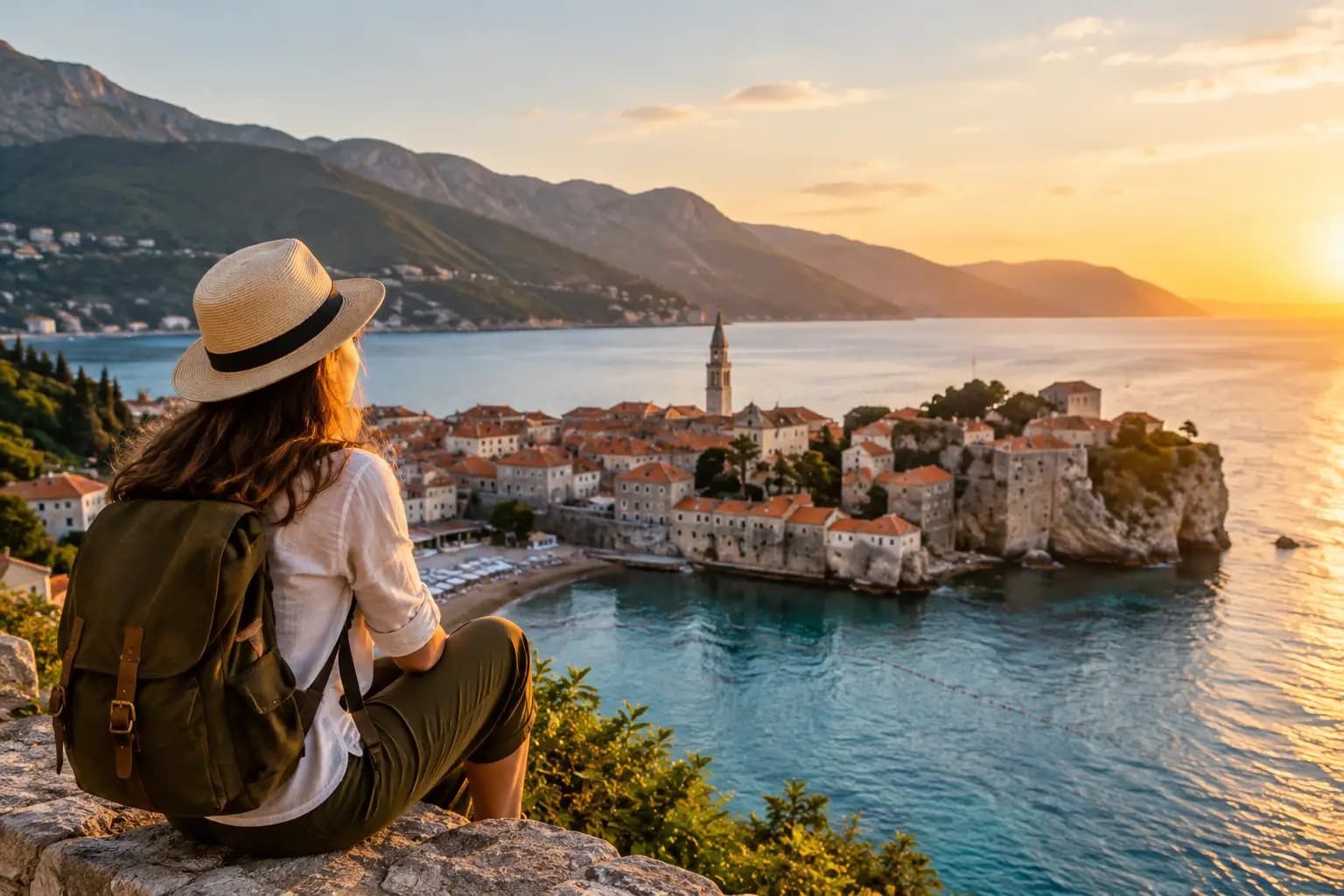
If Bulgaria is still sitting in your mind as the cheaper alternative to Greece, it deserves a second look. A good bulgaria travel guide starts with one basic truth: this is not a one-note summer destination. You can spend a week on the Black Sea, split your trip between Sofia and Plovdiv, or trade the coast for mountain air in Rila or Pirin - and each version of the trip feels different.
That range is exactly why Bulgaria works so well for travelers from the Balkans and diaspora visitors coming from Western Europe or the US. Flights can be manageable, driving is realistic for some routes, and once you arrive, the country gives you a lot without forcing luxury prices. Still, Bulgaria is not a place you should book on autopilot. The right region matters, the timing matters, and the style of trip matters even more.
Bulgaria travel guide: what kind of trip fits you best?
The first decision is not which hotel to book. It is whether you want sea, city, mountains, or a mix.
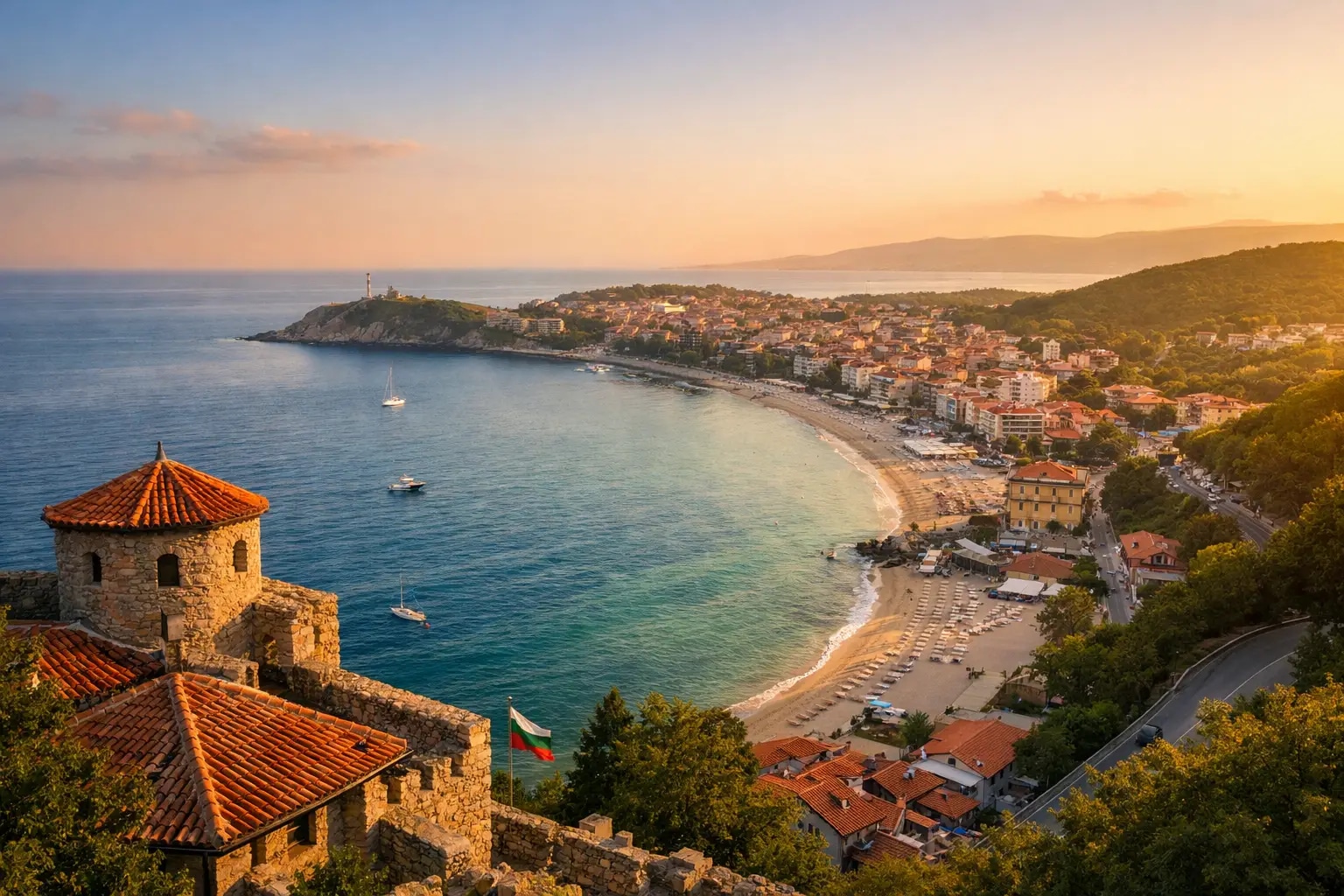
If your priority is a classic summer vacation, the Bulgarian Black Sea coast is the obvious starting point. Varna, Burgas, Nessebar, and Sozopol all serve different types of travelers. Varna feels more urban and practical, with easier access to city comforts. Burgas is useful as a transport base and works well if you want to combine beach time with nearby resorts. Nessebar gives you postcard scenery and old-town atmosphere, while Sozopol tends to feel a little more relaxed and less package-heavy.
If you prefer a city break with substance, Sofia and Plovdiv make more sense than many first-time visitors expect. Sofia is not polished in a fake way, which is part of its appeal. It is spacious, lived-in, and easy to combine with day trips. Plovdiv is smaller, warmer in mood, and often the better choice if you want a slower pace, good food, and a city that feels historic without becoming a museum.
Then there is mountain Bulgaria. Bansko is the name many people know, especially in winter, but the wider mountain regions deserve attention even outside ski season. Rila and Pirin work well for hiking, fresh air, and a trip that feels active rather than beach-centered. This option is especially good for couples or families who have already done the standard coast holiday and want something less obvious.
When to go, and what changes with the season
For most travelers, the best time to visit Bulgaria is from late May to mid-September, but that does not mean every month suits every itinerary.
July and August are best if your trip is mostly about the beach. The sea is warmest, resorts are fully active, and transport is simpler because everything is running at full speed. The trade-off is crowds, higher rates in the most popular coastal towns, and a more commercial feel in some resorts. If you like energy, nightlife, and easy beach days, that may be exactly what you want. If not, this period can feel noisy.
June and early September are often the smarter sweet spot. You still get summer weather, but prices tend to be more reasonable and the coast is easier to enjoy. This is particularly relevant for families and for diaspora travelers trying to align school holidays, flight availability, and overall budget.
For city trips, spring and early fall are stronger than peak summer. Sofia and Plovdiv are more comfortable when temperatures are moderate, and walking around old towns or urban centers is simply more pleasant. Mountain trips also work better outside the hottest part of summer, unless your main goal is a resort stay with pool access.
Winter changes the picture completely. Bansko becomes a ski destination, and Bulgaria starts competing on value for travelers who want snow without Alpine-level pricing. That said, winter infrastructure and overall resort feel can vary, so expectations should stay practical rather than romantic.
Where to stay in Bulgaria
A useful bulgaria travel guide should be honest about accommodation: where you stay can shape your whole impression of the country.
On the Black Sea coast, large resorts are easy to find, but they are not always the best fit. If you want convenience, pools, and predictable family logistics, they do the job. If you want charm, local restaurants, and evenings that feel less packaged, smaller stays in places like Sozopol or Nessebar usually work better.
Apartments are often a smart choice for Balkan families and longer summer stays. You get more space, easier meal flexibility, and less pressure to organize every day around hotel schedules. This matters if you are traveling with kids or simply want a more relaxed rhythm.
In Sofia and Plovdiv, central location usually beats hotel category. A modest but well-placed stay can save time, taxi costs, and unnecessary planning friction. In mountain areas, especially outside the main tourist hubs, the trade-off is often between comfort and atmosphere. Smaller guesthouses may have more character, while larger hotels offer easier logistics.
Getting around without wasting time
Bulgaria is easy enough to move through, but not every route is equally convenient.
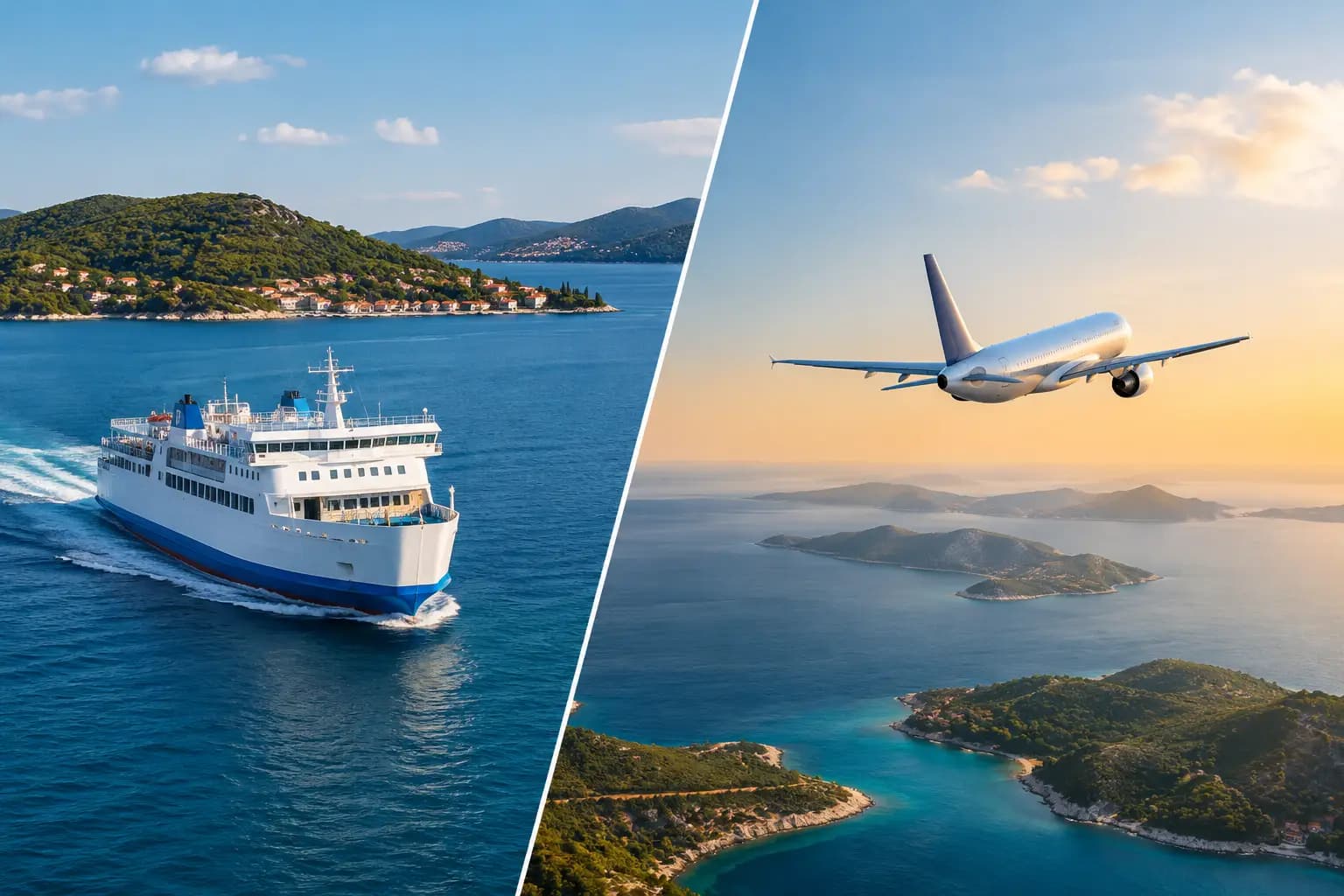
If you are flying in, Sofia is the natural entry point for city and mountain trips. Varna and Burgas are the practical gateways for the Black Sea coast. For diaspora travelers, the best airport is not always the cheapest ticket on paper. A lower fare can stop making sense if it leaves you with a long transfer, a late arrival with children, or an extra overnight stay.
Driving can be a strong option, especially for travelers already doing a broader Balkan route or starting from nearby countries. It gives you flexibility and makes regional exploration easier. Still, a road trip is more useful in inland and mixed itineraries than in a pure beach holiday where you mostly plan to stay put.
Buses and trains exist, but they are not always the best use of time if your trip is short. For one week or less, it usually makes sense to keep your base count low. Bulgaria rewards slower movement more than constant relocation.
What Bulgaria does especially well
Bulgaria is strongest when you let it be itself instead of expecting a copy of somewhere else.
The food is a good example. Meals are generally straightforward, generous, and affordable, with enough variety to keep a longer stay interesting. Fresh salads, grilled meats, baked dishes, yogurt-based staples, and Black Sea fish all show up depending on the region. Wine is another quiet advantage. Bulgaria does not always market it loudly, but travelers who care about food and drink usually notice the value quickly.
History also comes without too much performance. You can move from Roman ruins to Orthodox monasteries to old towns without the feeling that every stop has been overdesigned for tourists. Places like Plovdiv, Veliko Tarnovo, Rila Monastery, and Nessebar all offer different versions of that depth.
Then there is pricing. Bulgaria is often chosen because it looks budget-friendly, and broadly speaking, it still is. But the real advantage is not just cheapness. It is the ratio between cost and variety. You can build a trip that includes beach time, city time, and good meals without your budget collapsing halfway through.
Budget expectations and common trade-offs
Bulgaria can be affordable, but there is no single price reality.
The coast in peak summer is more expensive than inland cities, and the most popular resorts can charge rates that stop feeling like a bargain. Sofia can also surprise people who assume every capital in the region is automatically cheap. On the other hand, if you travel just outside the busiest dates, choose apartments over full-service resorts, and avoid paying extra for unnecessary location prestige, the overall trip usually stays very manageable.
The main trade-off is between convenience and atmosphere. Large resort zones are easier. Smaller historic towns are more memorable. Central city stays cut down transport time. Mountain stays give you peace, but fewer services late at night. None of these are problems if you choose based on your actual travel style rather than an idealized plan.
A realistic first-timer itinerary
For a first visit, seven to ten days is enough to see why Bulgaria keeps earning repeat trips.
If you want balance, start with two or three nights in Sofia or Plovdiv, then move either toward the mountains or the coast. If your trip is mostly summer holiday, go straight to Burgas or Varna and base yourself in one coastal area, with short outings to nearby towns instead of changing hotels repeatedly. If you are driving, a loop that combines Sofia, Plovdiv, and a mountain stop makes more sense than trying to squeeze in both the capital and the full coast.
This is one of those destinations where overplanning can make the trip worse. Bulgaria works best when you set a clear base, leave room for local food and spontaneous stops, and do not treat every day like a checklist.
For travelers using platforms like Ljetovanje.com, that practical mindset matters. The best trip is rarely the one with the most tabs open. It is the one where the route, airport, stay, and season actually fit the way you travel.
Bulgaria rewards that kind of planning. Not perfect planning - just honest planning built around what you want your vacation to feel like when you get there.
Ready for your next adventure?
Compare flights, accommodation and activities – ljetovanje.com helps you find the best deals for your perfect holiday.
Jovan
Travel expert and contributor for Ljetovanje.com