Some Adriatic hotels look perfect on a booking page and feel wrong the moment you arrive. The room may be fine, the sea may be close, and breakfast may be included - but if parking is impossible, the nearest beach is all concrete, or the transfer from the airport eats half a day, the deal stops looking smart. On this coast, the right hotel is rarely just about stars. It is about fit.
That matters even more for travelers from the Balkans and diaspora visitors planning a summer break around limited vacation days, family routines, and realistic budgets. A couple flying in for four nights does not need the same hotel logic as a family driving from Austria or Germany with kids, bags, and a stroller. When people search Adriatic hotels, they are often comparing very different kinds of trips without realizing it.
What Adriatic hotels actually vary on
The Adriatic is not one single hotel market. A waterfront hotel in a historic old town, a family resort outside a busy coastal center, and a small hotel on a quieter bay may all sit within the same region, but they solve different problems.
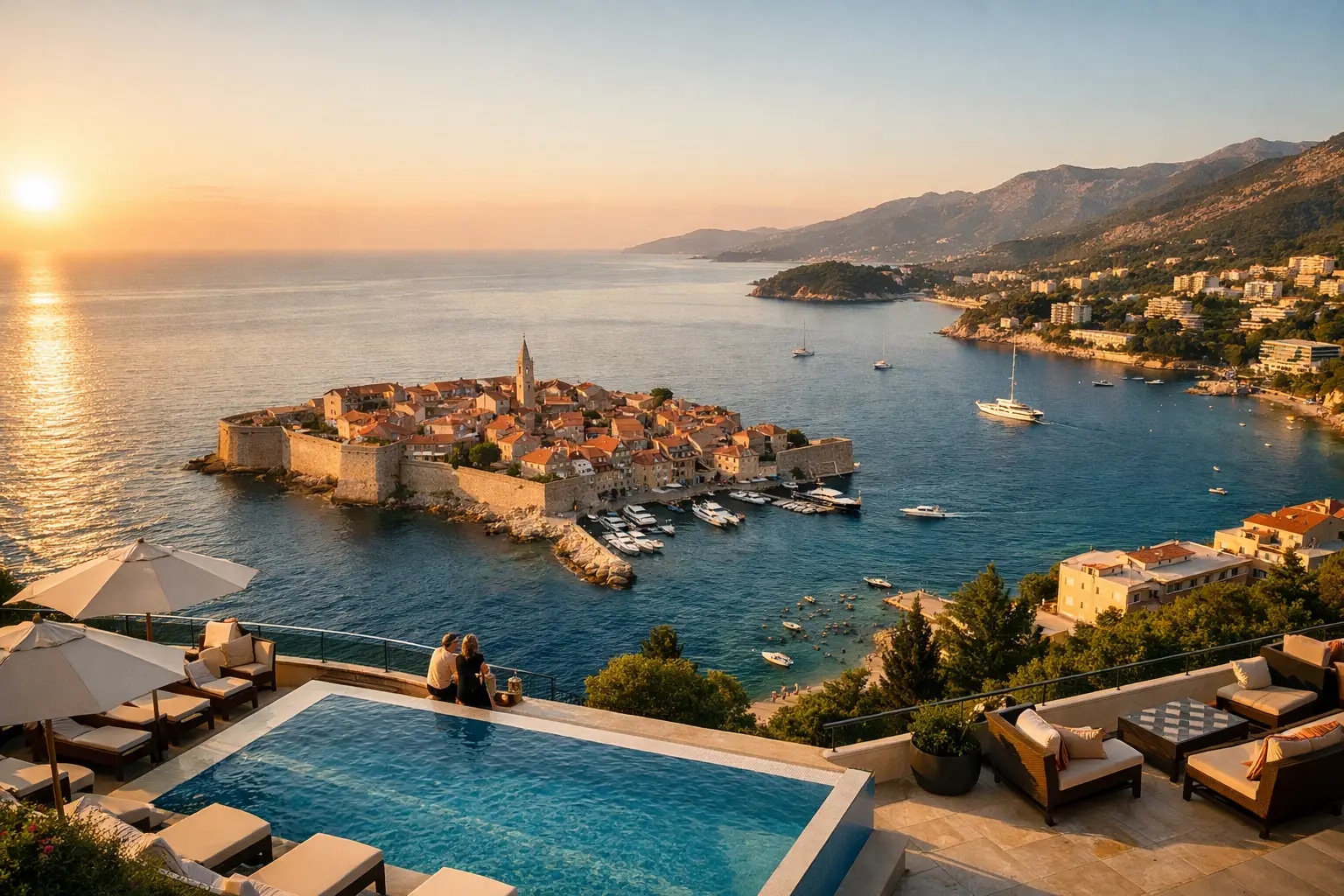
The first big difference is location type. Hotels in old towns and central promenades give you atmosphere, restaurants, and evening walks without needing a car. The trade-off is noise, higher parking costs, and often smaller rooms. If your trip is about staying out late, walking to dinner, and feeling the place around you, that can be worth it. If you are traveling with children who sleep early, it may not be.
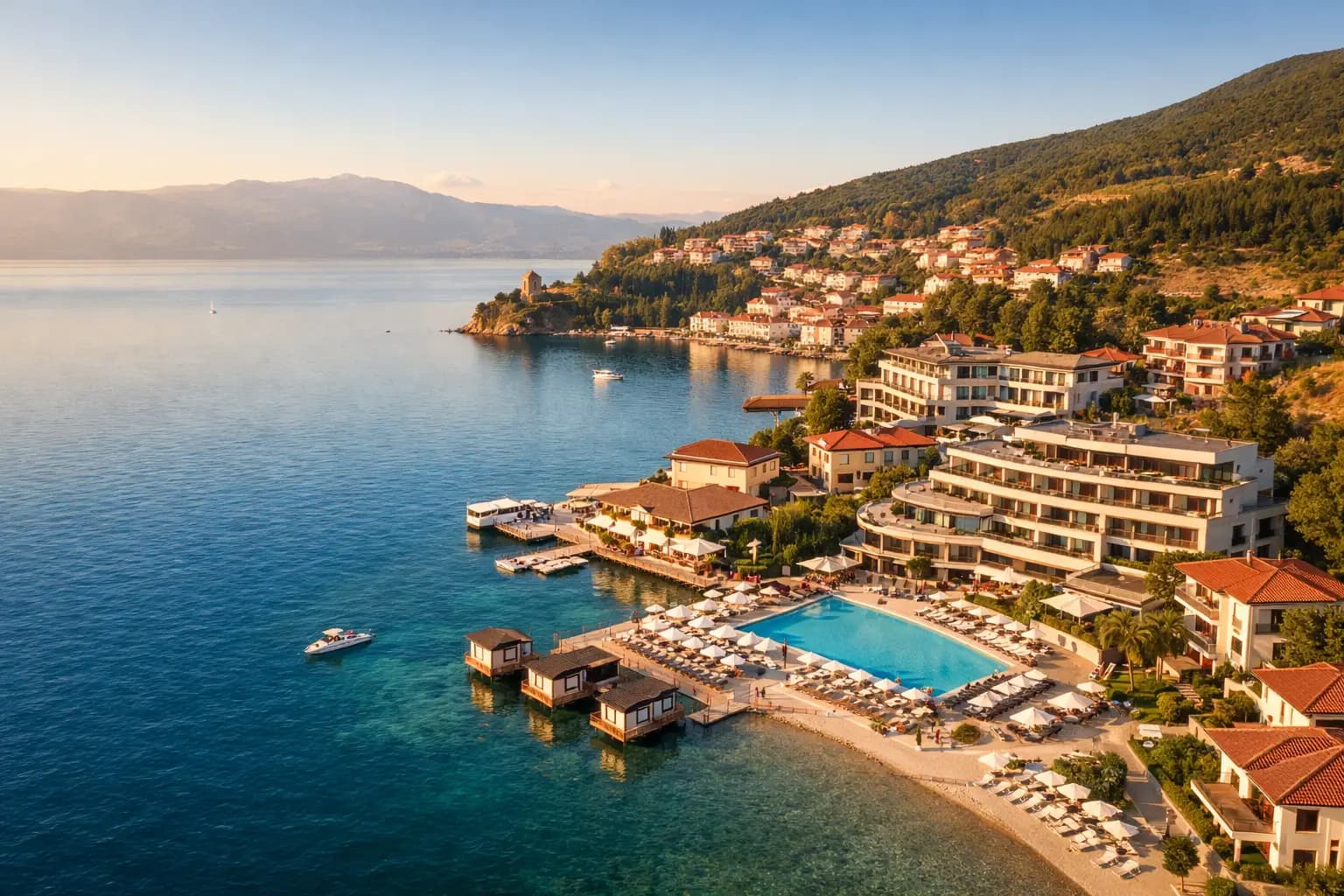
Resort-style hotels tend to work better for families and travelers who want fewer daily decisions. You get pools, easier beach access, and on-site food. The downside is that some of them feel detached from the town itself. You may be on the coast without really experiencing the destination.
Then there are smaller boutique and family-run hotels. These often offer a better sense of place and more personal service, especially in smaller coastal towns and islands. But amenities can be limited. A charming hotel with 18 rooms may not have an elevator, private beach area, or flexible meal options.
How to choose Adriatic hotels by trip type
The fastest way to narrow Adriatic hotels is to stop thinking in categories like luxury, mid-range, or cheap and start with how you actually travel.
For short stays and flight-based trips
If you are flying in for three to five nights, proximity matters more than people admit. A hotel that is technically cheaper can become more expensive once you add airport transfers, taxis, or a rental car you did not want to book in the first place.
In these cases, it often makes sense to stay near a well-connected coastal city or town with easy transfer options. You want a hotel that lets you land, check in, and get to the beach or dinner with minimal friction. This is especially true for couples and young professionals using a long weekend efficiently.
For this kind of trip, central location beats extra amenities most of the time. A rooftop pool sounds appealing, but if the hotel is 35 minutes from where you actually want to spend the evening, the novelty fades quickly.
For family summer vacations
Families usually need more than a nice room and a sea view. They need practical movement. Is the beach walkable with children? Is it shaded? Are there food options nearby beyond one hotel restaurant? Can you park without stress if you are arriving by car?
This is where many family travelers overpay for four-star presentation and still end up improvising basic logistics every day. A slightly less polished hotel in a more functional location can be the better choice.
Look for hotels with larger room options or family suites, simple beach access, and enough space around the property to avoid feeling crowded in peak season. If you are traveling with younger kids, a pool can help, but it should not distract from the more important question: will your day be easier here?
For return trips and familiar destinations
A lot of Balkan travelers are not visiting the Adriatic as first-time tourists. They are returning to places they know, or at least places that feel culturally familiar. In that case, the hotel does not need to provide the whole experience. It just needs to support the one you already have in mind.
You may care less about animation programs or spa menus and more about whether the hotel is near a specific beach, family friends, or a town center you have been visiting for years. For these trips, convenience and consistency often matter more than novelty.
Best timing for booking Adriatic hotels
Season changes the value of a hotel more than the star rating does. The same property can feel overpriced in August and like an excellent deal in June or September.
High summer brings the classic Adriatic advantages - warm sea, busy promenades, long evenings - but also the biggest pressure on roads, parking, beaches, and hotel inventory. If you are traveling in July or August, booking late usually means paying more for less choice. That is especially true for well-located family hotels and island properties.
Shoulder season is where many of the smartest bookings happen. In June and early September, you can often get a better room category, calmer beaches, and a more relaxed overall stay for a similar or lower price. This works particularly well for couples, remote workers adding a few days away, and families with more flexible schedules.
Not every destination performs equally well outside peak season, though. Some smaller places lose energy fast once school holidays end. If restaurants close early and transport options shrink, a hotel deal can look better on paper than it feels on arrival.
Adriatic hotels by coast: why country comparisons only go so far
People often compare Adriatic hotels by country as if that will simplify the decision. It helps a little, but not enough.
Croatian coastal hotels tend to offer the widest range, from polished resorts and city hotels to island stays and smaller boutique properties. That gives travelers more choice, but also more room to choose badly. A great-looking hotel can still be the wrong base if your arrival point, beach preferences, and daily rhythm do not match the location.
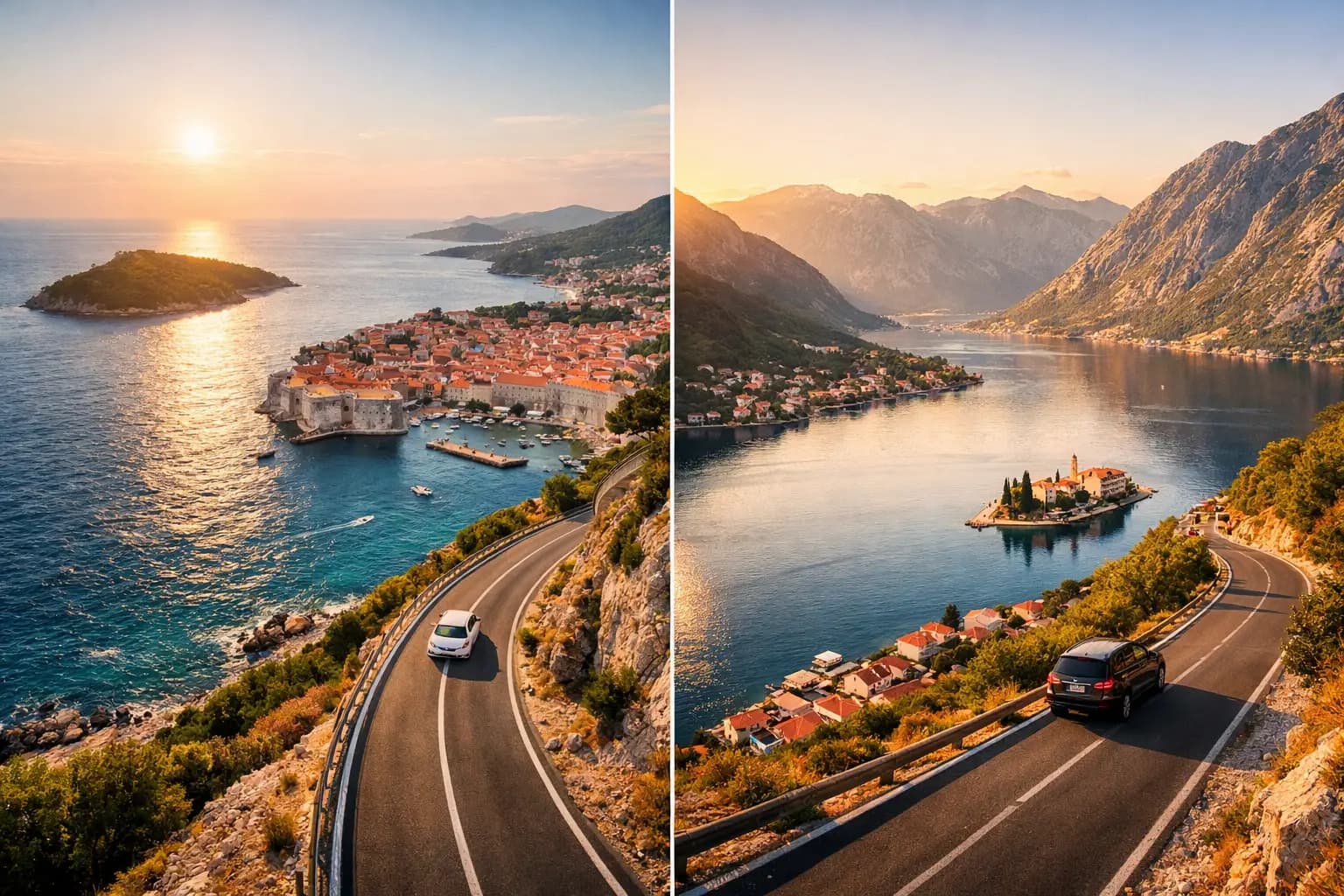
Montenegro often appeals to travelers looking for dramatic scenery and shorter transfer routes along certain parts of the coast. Some hotels deliver strong value with sea views and good access, but room standards and service consistency can vary more from property to property. Reading the details matters.
Albania can offer strong price-to-location value, especially for travelers who are flexible and less focused on full-service resort polish. But expectations need to be aligned. A hotel that is excellent for the price may still operate differently from what a traveler used to Austrian, German, or US hotel standards assumes.
That is why broad labels are less useful than specific trip logic. The right question is not which country has the best Adriatic hotels. It is which stretch of coast fits your route, budget, and pace.
What travelers miss when comparing hotels
Price gets too much attention on its own. Total friction matters more.
A lower nightly rate can hide expensive parking, inconvenient beach access, extra transfer costs, or meal limitations that push you into costly restaurant choices twice a day. On the other hand, a hotel that seems expensive at first may save money if breakfast is solid, the beach is nearby, and you do not need a car.
Reviews also need interpretation. A complaint about limited nightlife may be irrelevant if you want quiet evenings. Praise for a lively atmosphere may be a warning sign if you are traveling with a baby. The smartest readers do not just look at ratings. They ask whether the hotel matches their own version of a good trip.
Photos can mislead in a more specific way on the Adriatic coast. A beautiful sea-view shot tells you almost nothing about the beach itself, the slope down to the water, or how crowded that area becomes in peak season. If swimming conditions matter to you, the room photo is not the main issue.
When a hotel is not the best choice
Not every Adriatic trip is best served by a hotel. For longer family stays, apartment-style accommodation often gives better value, more space, and a kitchen that makes everyday life easier. This is especially relevant for travelers staying seven nights or more, or those arriving by car with a more settled rhythm.
Hotels work best when service, short stays, convenience, or included amenities are central to the trip. If you mainly need a base near the sea and plan to live more independently, a hotel may add cost without adding much usefulness.
That is one reason travelers on Ljetovanje.com often compare more than one accommodation type before deciding. The smartest booking is not always the most polished one. It is the one that removes the most stress from the trip you are actually taking.
How to make the final decision
Once you narrow the destination, focus on four filters: transfer practicality, beach access, room setup, and the rhythm of the surrounding area. If a hotel works on those four points, the rest becomes much easier to judge.
If you are still choosing between two options, go with the one that creates fewer daily compromises. Better sleep, easier movement, and less logistical noise usually matter more than one extra star or a prettier lobby.
The Adriatic rewards travelers who plan with realism, not fantasy. Pick the hotel that fits your route, your people, and your pace, and the whole coast starts feeling simpler.
Ready for your next adventure?
Compare flights, accommodation and activities – ljetovanje.com helps you find the best deals for your perfect holiday.
ljetovanje.com
Travel expert and contributor for Ljetovanje.com