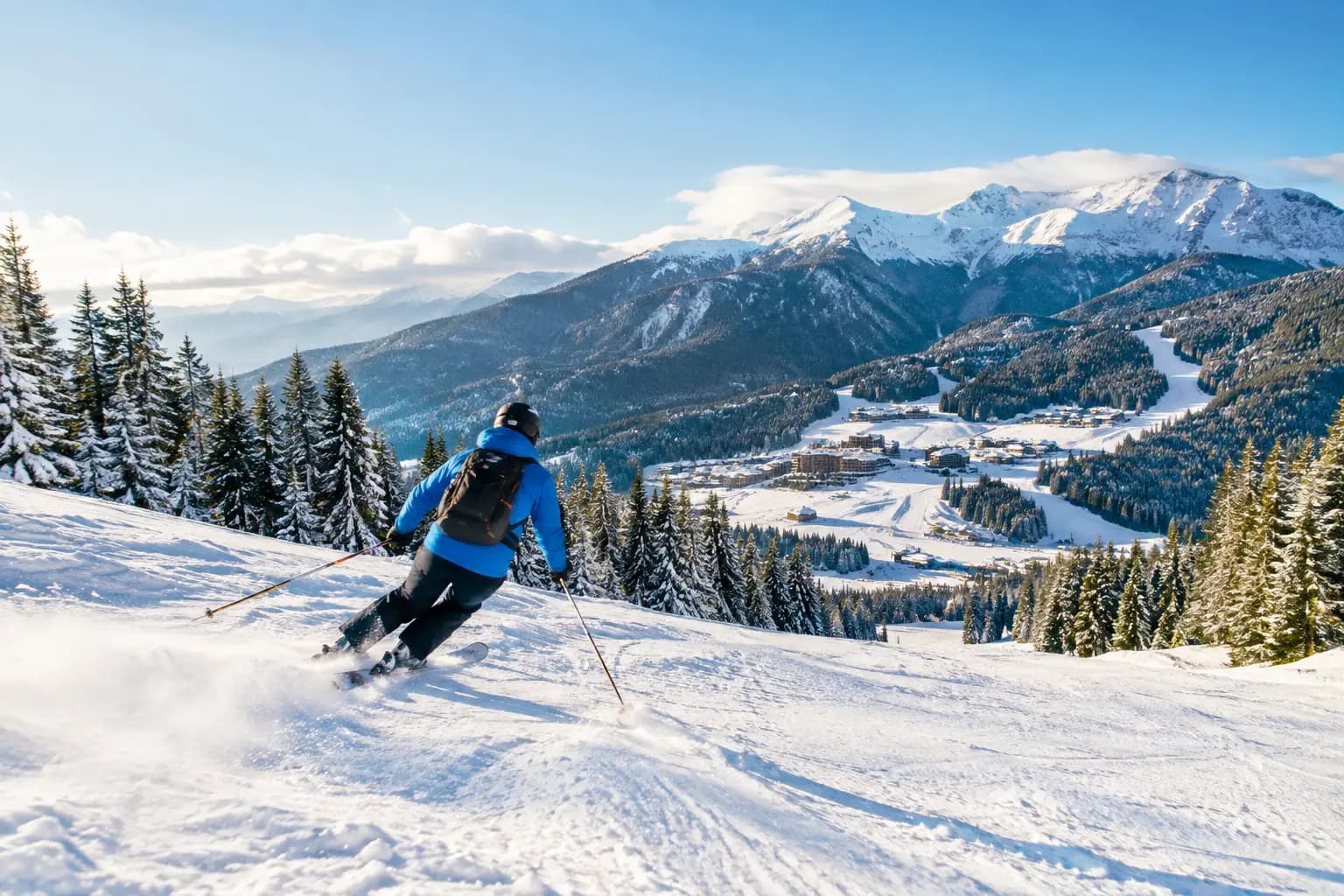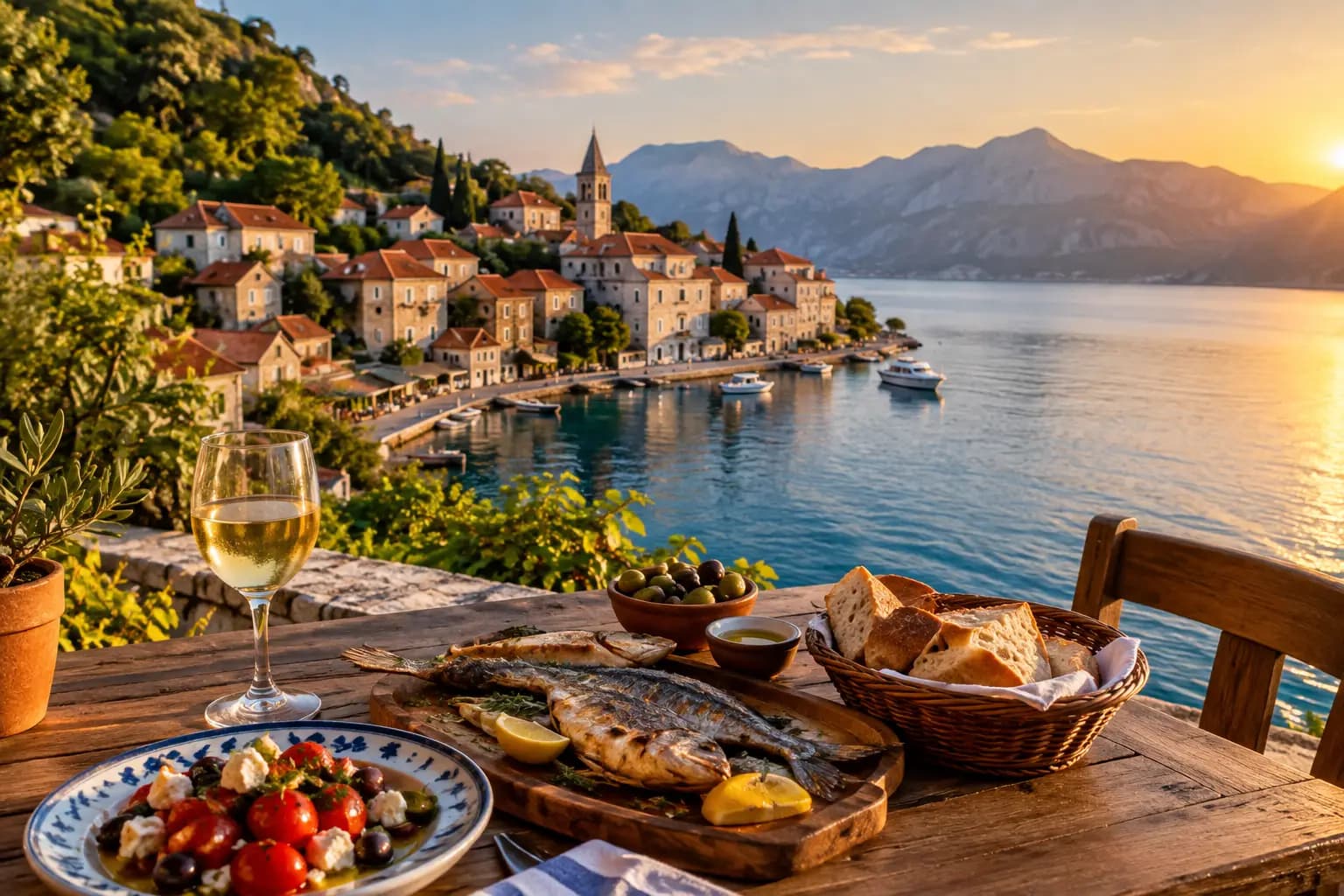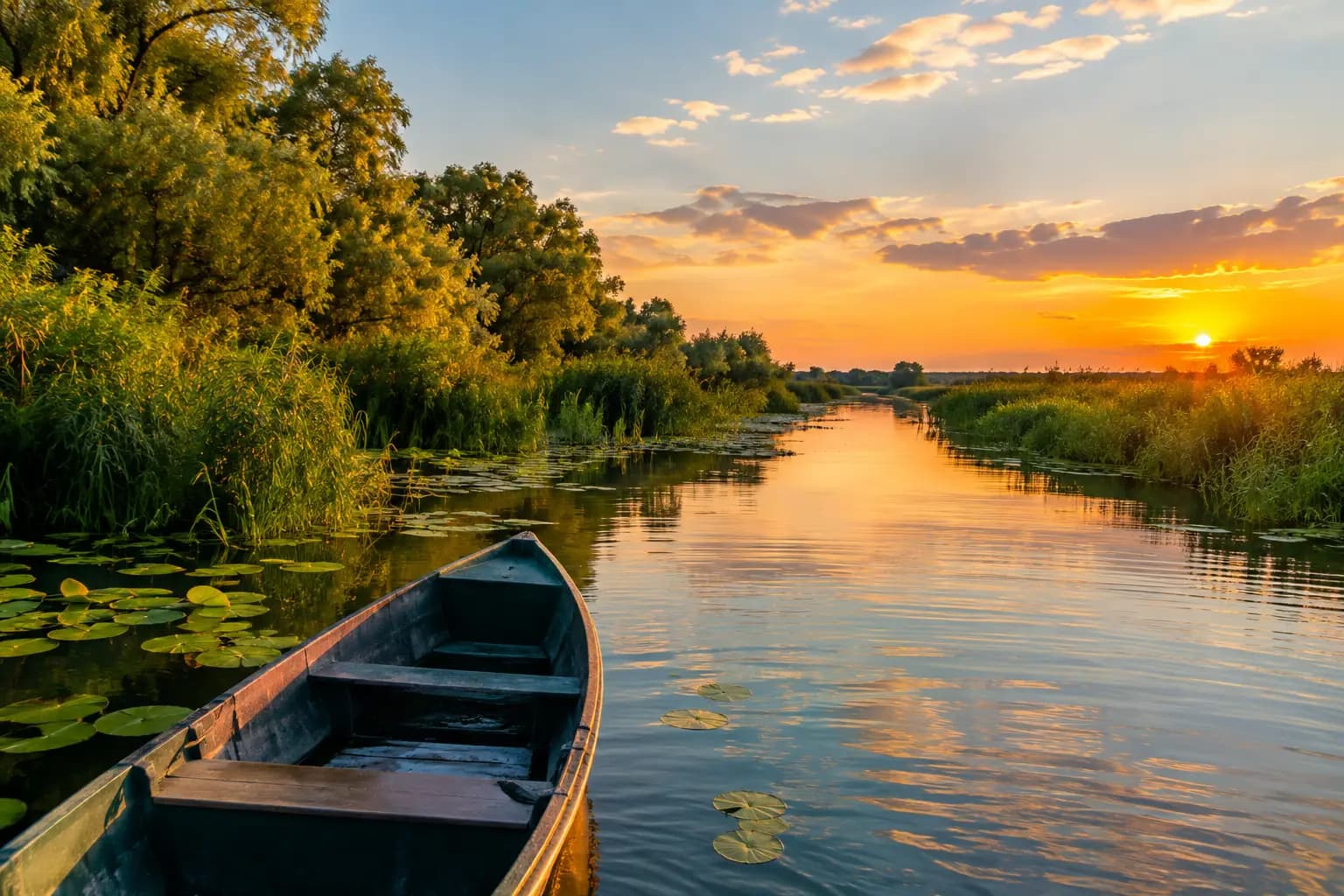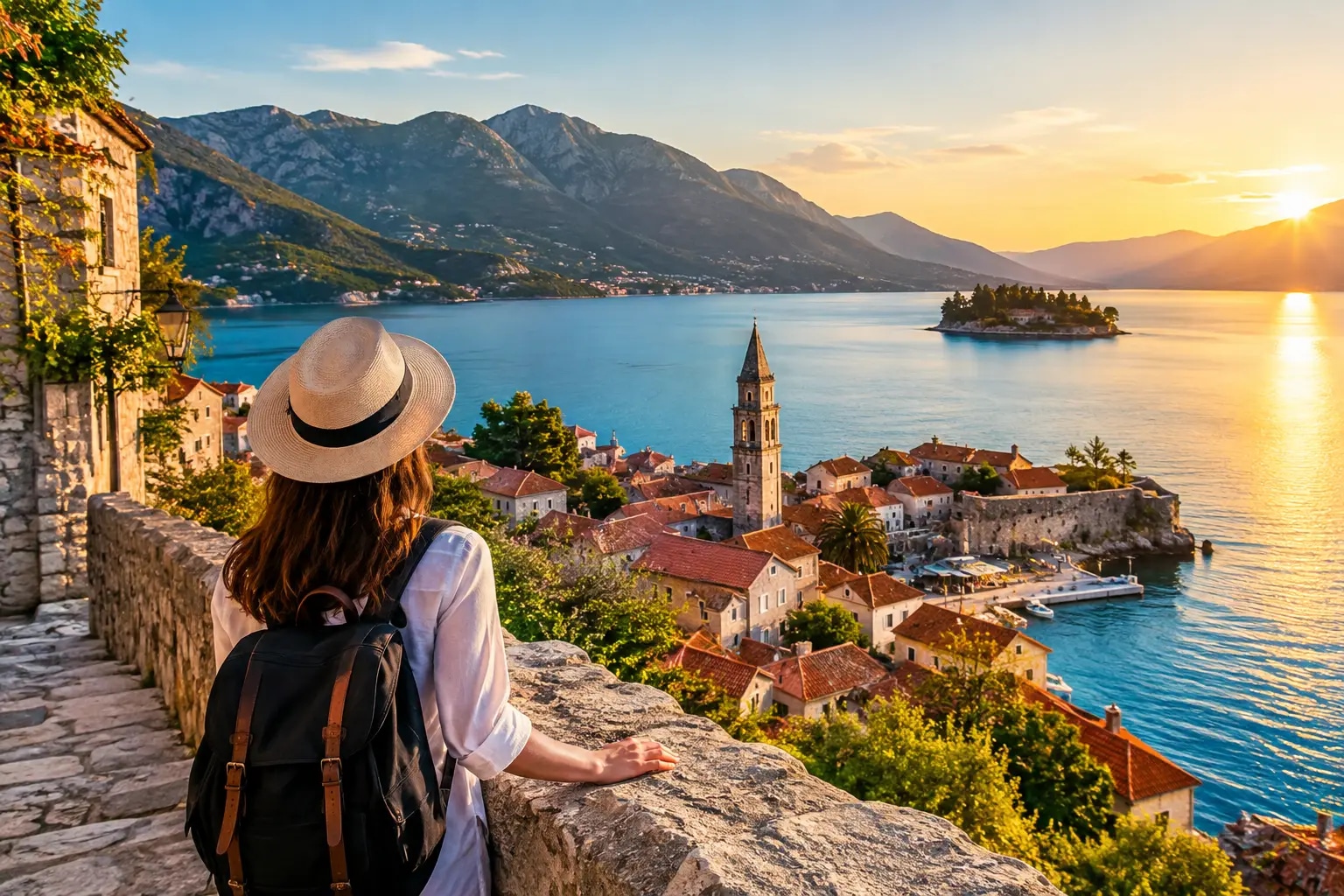
A solo trip in the Balkans can mean coffee in Sarajevo before a mountain walk, a late swim near Split, or a long lakeside dinner in Ohrid where nobody rushes you out of your chair. The best Balkan destinations solo travelers choose tend to have one thing in common: they are easy to experience independently, but not isolating. You can build a full day without a car, find a sociable place to stay, and still leave room for the small local moments that make the region memorable.
For travelers coming from the US, Western Europe, or the diaspora, the practical appeal is just as strong. Prices can be friendlier than in many major European cities, intercity buses cover a lot of ground, and hospitality often feels more personal than polished. The trade-off is that transport schedules can be irregular outside peak season, so a little planning goes a long way.
Best Balkan destinations for solo travelers
Sarajevo, Bosnia and Herzegovina
Sarajevo is one of the easiest cities in the region to enjoy alone because its best experiences happen at walking pace. Start around Baščaršija, follow the streets uphill, stop for Bosnian coffee, then make your way toward the river and the city’s older neighborhoods. It is compact enough to feel manageable on a first solo trip but layered enough to reward two or three days.
The city works especially well for travelers who like food, history, and conversation more than ticking off landmarks. Choose accommodation near the center so you can walk home after dinner. In winter, Sarajevo can also pair well with nearby mountain time, though weather may slow local transport.
Mostar, Bosnia and Herzegovina
Mostar is smaller, warmer in feeling, and ideal for a short independent stop. The Old Bridge area is busy during the day, but the city becomes much more relaxed in the early morning and evening. Stay one or two nights rather than treating it as a rushed day trip.
Solo travelers often find Mostar easy because the old town is highly walkable and guesthouses tend to be social without having a party atmosphere. It is also a good base for exploring Blagaj, Kravice Waterfalls, or the wider Herzegovina wine region through a small group day trip. Summer heat is real here, so plan outdoor walking early.
Kotor, Montenegro
Kotor offers a rare combination: a historic walled town, dramatic mountain scenery, and a bay calm enough for slow travel. It is a strong choice if you want somewhere visually spectacular without needing to organize a complicated itinerary. The old town is compact, and the walk up to the fortress is one of those solo experiences that feels rewarding rather than lonely.
The compromise is crowds. Cruise ship days can make the center feel crowded and expensive, particularly from June through September. Stay just outside the old town, arrive in spring or early fall if possible, and use local buses to see Perast or other bay villages.
Split, Croatia
Split is better for solo travelers than its reputation as a quick gateway to the islands suggests. Diocletian’s Palace is not a sealed-off monument but part of daily city life, with bakeries, bars, courtyards, and apartments tucked into its old stone lanes. You can spend the morning at the market, walk Marjan Hill in the afternoon, and find a casual dinner without booking weeks ahead.
It suits travelers who want an active city break with beach time nearby. It is also one of the more practical Adriatic hubs for onward travel. In peak summer, reserve accommodation early and expect higher prices. May, June, September, and early October offer a better balance of swimming weather and breathing room.
Ohrid, North Macedonia
Ohrid is for solo travelers who prefer calm over constant stimulation. The lake, old streets, hillside churches, and long waterfront promenades make it easy to shape your own rhythm. It is a place where reading by the water or taking a boat ride alone feels completely natural.
A few days is enough to see the town properly, but staying longer has its appeal. Rent a bike, visit quieter beaches beyond the center, or take a day trip toward Galicica National Park for views over the lake. Ohrid is particularly good value outside the busiest summer weeks, when accommodation is easier to find and the town feels more local.
Ljubljana, Slovenia
Ljubljana is one of the least stressful first solo destinations in this part of Europe. The center is clean, compact, and built around pedestrian-friendly streets and riverside cafes. English is widely understood, public transport is straightforward, and the city is easy to navigate without spending your whole day looking at maps.
It is not the cheapest option on this list, but it makes up for that with convenience. Ljubljana is ideal if you want a polished city base with simple access to Lake Bled, Lake Bohinj, or the Soča Valley. Solo travelers who enjoy museums, coffee culture, and easy day trips will get the most from it.
Sofia, Bulgaria
Sofia is a practical choice for travelers looking for a capital city that remains relatively affordable. It has broad boulevards, neighborhood restaurants, parks, and a lived-in feel that can be more interesting than a perfectly curated old town. The center is walkable, while the metro makes airport arrivals and longer city crossings simple.
What makes Sofia especially useful for solo travel is the contrast nearby. You can spend a city day visiting galleries and food markets, then head toward Vitosha Mountain for fresh air and hiking. It is a good fit for travelers who want a real urban base rather than a destination designed only around tourism.
Plovdiv, Bulgaria
Plovdiv has the kind of scale that solo travelers appreciate: enough to do, but not so much that you feel pressured to plan every hour. Its old town, Roman theater, and creative Kapana district are all close enough to explore on foot. The pace is slower than Sofia, and evenings are easy to fill with wine bars, terraces, and informal meals.
Visit if you enjoy architecture and food but do not need a packed sightseeing schedule. Plovdiv also works well as part of a Bulgaria itinerary, especially when paired with Sofia or a few days on the Black Sea coast. Summer is lively, though spring and fall are more comfortable for walking.
Tirana, Albania
Tirana is not a postcard city, which is exactly why it can be a good solo stop. It is energetic, direct, full of cafes, and easy to experience through its neighborhoods rather than a checklist of famous sights. Spend time around the central boulevards, then choose a local restaurant slightly away from the busiest streets for a better sense of the city.
The practical advantage is its role as a transport hub. Tirana can be the start of an Albanian coast itinerary or a short city break before heading toward mountain areas. Traffic can feel hectic, so walk when possible and use licensed transport for late-night returns.
Brașov, Romania
Brașov combines a handsome old center with immediate access to the Carpathian landscape. For solo travelers, that balance matters: you have a comfortable town base with cafes and restaurants, plus the option to join a day tour or hike without changing accommodation every night. The walk up Tampa Mountain gives a quick overview of the city and surrounding peaks.
It is particularly appealing in shoulder season, when the old center is less crowded and the mountain views are often crisp. From here, you can build onward trips to Sinaia or smaller Transylvanian towns. Check train and bus times in advance, especially on weekends.
Belgrade, Serbia
Belgrade is for solo travelers who want energy, strong food culture, and a city that stays active after dark. Walk Kalemegdan, follow the riverside paths, explore Dorćol, and let the city’s cafes do some of the work for you. It is generally easier to meet people here than in quieter resort destinations, particularly through walking tours, hostels, and small-group food experiences.
The city is spread out more than Sarajevo or Ljubljana, so location matters. Stay near the center or close to a major transit line. Belgrade is also a sensible choice for a long weekend, especially for diaspora travelers who want a city break with familiar flavors and a less formal atmosphere.
How to choose the right solo base
The best choice depends on the kind of independence you want. Choose Ljubljana or Split when easy logistics and reliable connections matter most. Pick Sarajevo, Belgrade, or Tirana for urban energy and a better chance of spontaneous social contact. Head to Ohrid, Kotor, or Mostar when the point is to slow down and spend more time outdoors.
For accommodation, a small guesthouse can be better than a large hotel if you value local advice and conversation. A well-reviewed hostel can work well even if you are not interested in nightlife, but look for language such as “social,” “quiet,” or “boutique” in recent reviews rather than assuming every hostel has the same atmosphere. Private rooms often provide the right middle ground.
Travel between Balkan destinations is often most practical by bus, not rail. Keep transfer days light, carry some cash in local currency, and download offline maps before crossing into a new area. If you are traveling in July or August, book key overnight stays ahead, especially on the Croatian and Montenegrin coast. Outside summer, confirm seasonal bus and ferry schedules before committing to a route.
A good solo itinerary does not need to cover five countries in ten days. Pick two or three places with different rhythms, leave an unplanned afternoon in each, and use that time for the cafe, market, lake path, or neighborhood meal you would otherwise miss. That is often where the Balkans feel most generous to a traveler on their own.
Ready for your next adventure?
Compare flights, accommodation and activities – ljetovanje.com helps you find the best deals for your perfect holiday.
ljetovanje.com
Travel expert and contributor for Ljetovanje.com