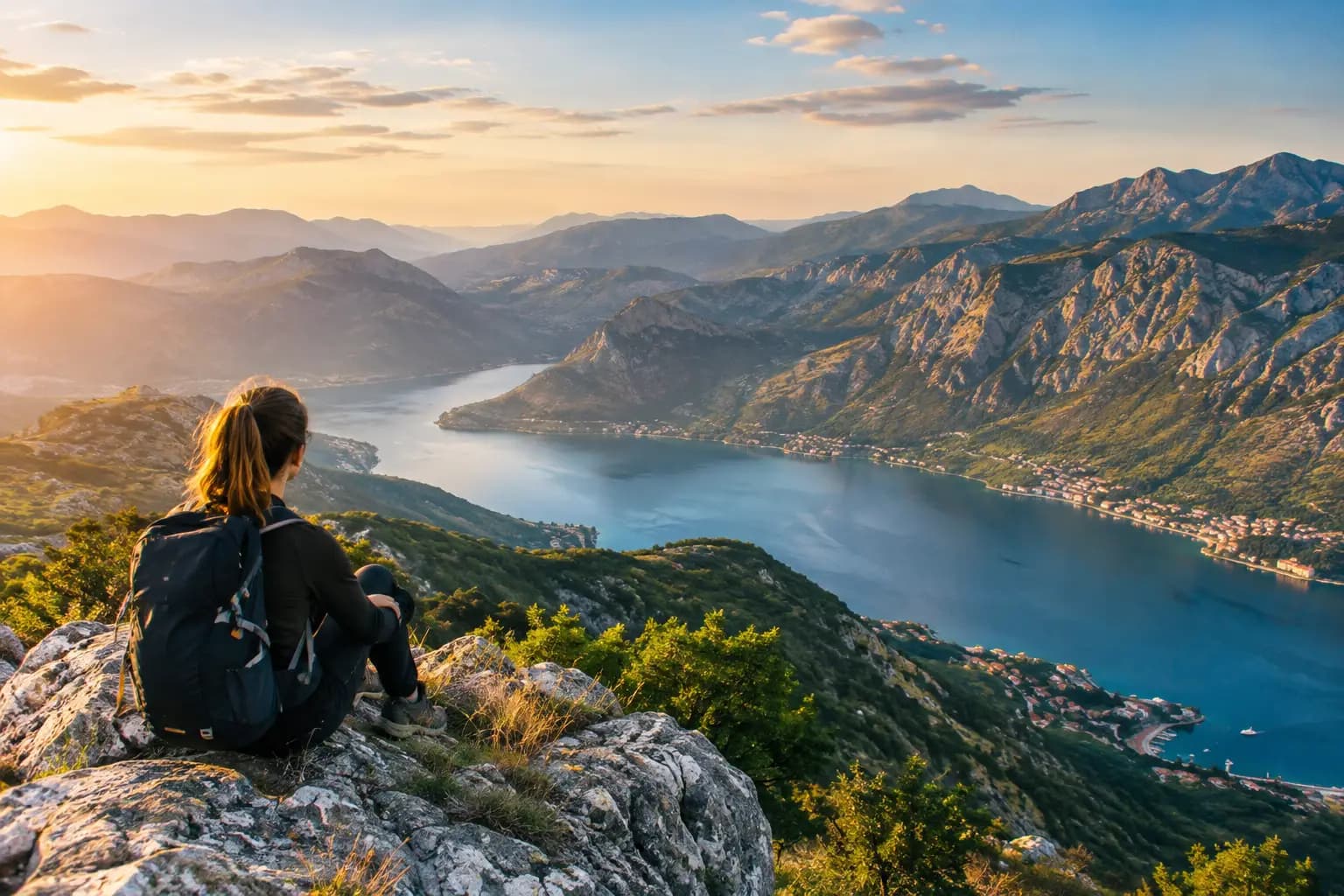
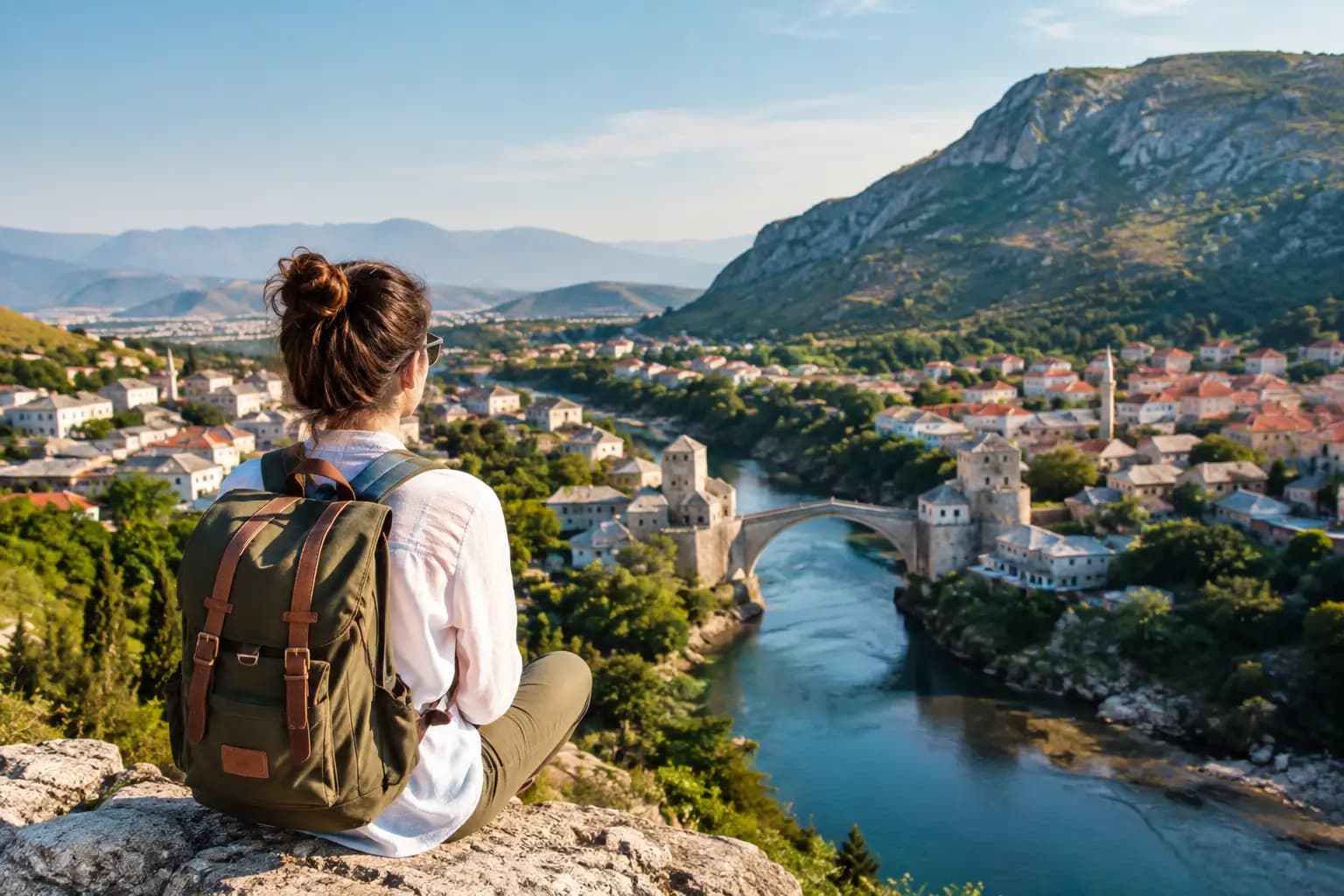
The first surprise of any Montenegro mountain holiday guide is how quickly the country changes character. One hour you are thinking about the Adriatic, and the next you are driving into pine forests, glacial lakes, and high roads where summer feels cooler, quieter, and far less crowded.
For travelers from the Balkans and diaspora visitors coming back through Podgorica, Tivat, or Dubrovnik, Montenegro’s mountains make sense in a very practical way. You do not need a long domestic transfer or a complicated itinerary to get that full reset people usually associate with much larger countries. What you do need is to pick the right mountain base, because Durmitor, Biogradska Gora, Prokletije, and the areas around Kolasin each suit a different type of trip.
Who this Montenegro mountain holiday guide is really for
If your idea of a good break includes fresh air, a cabin or apartment with space, and days that can be as active or as lazy as you want, Montenegro works unusually well. It is especially strong for couples who want nature without isolation, families who want cooler summer weather, and road trippers who like combining mountains with a few coastal nights.
It is less ideal if you expect polished alpine infrastructure everywhere. Montenegro’s appeal is not perfect uniformity. Some areas feel developed and easy, others feel raw and local. That contrast is part of the experience, but it also affects where you stay and how you move around.
Best mountain regions in Montenegro
Durmitor and Zabljak
If someone asks for the classic mountain trip, this is usually the answer. Zabljak is the main base for Durmitor National Park and the easiest choice for first-time visitors. Black Lake is nearby, the Tara Canyon is within reach, and there are enough apartments, guesthouses, and restaurants to make the stay straightforward.
This area suits active travelers best. Hiking is the obvious draw, but even if you do not want serious mountain days, you can still enjoy scenic drives, short forest walks, lake views, and cooler evenings. Families often like it because the setting feels dramatic without requiring demanding logistics.
The trade-off is that Zabljak is no secret. In peak summer, it is busier than people expect, especially around the most accessible viewpoints and lakes. If you want the Durmitor landscape without the central bustle, staying slightly outside town can be a smarter move.
Kolasin and Biogradska Gora
Kolasin is one of the most balanced mountain bases in Montenegro. It is easier to reach than some northern areas, the town itself is more comfortable for a longer stay, and it works well for travelers who want a mix of nature and convenience. This is often the better pick for families with younger children or for anyone who does not want every day to feel like an expedition.
Biogradska Gora gives you ancient forest, gentler walking routes, and a calmer rhythm than Durmitor. The scenery is less harsh, more green and layered. If your holiday means morning coffee with mountain air, moderate activity, and a comfortable apartment rather than pushing for major summit hikes, Kolasin can be the sweet spot.
It is also a good practical choice for diaspora travelers landing in Podgorica and wanting a short transfer. That matters more than many guides admit. A destination can be beautiful, but if arrival day is tiring, you feel it immediately.
Prokletije and Grebaje Valley
For travelers who want the wild side of Montenegro, Prokletije stands out. The landscapes here are sharper, steeper, and more remote. Grebaje Valley has become better known among hikers, but the wider region still feels less packaged than the country’s headline destinations.
This is where you go if you care more about trail access, dramatic peaks, and local atmosphere than about polished tourism. The reward is huge scenery and a stronger sense of discovery. The compromise is obvious too - fewer accommodation choices, longer drives, and a trip that requires more planning.
For a short holiday, Prokletije can feel too far unless mountains are the main point of the journey. For a dedicated hiking trip, it can be the most memorable region in the country.
When to go for a mountain trip in Montenegro
Summer is the easiest choice
From late June through early September, mountain holidays in Montenegro are at their most accessible. Trails are open, roads are easier, and the cooler temperatures are a real advantage if the coast feels too hot. This is the season that works for almost everyone, especially families traveling during school breaks.
July and August bring the best overall conditions, but also the most visitors in places like Zabljak. If you prefer quieter mornings and easier parking, late June or early September is often the better window.
Fall is underrated
September and early October can be excellent, especially in Kolasin and Biogradska Gora. Forest colors improve the scenery, the pace slows down, and daytime conditions are often still pleasant. If your trip is more about nature, food, and gentle walks than high-altitude hiking, early fall is a strong option.
The only caution is weather variability. Montenegro’s mountains can shift quickly, and services in smaller areas may become less predictable outside the main season.
How to plan the route without overcomplicating it
The smartest Montenegro mountain holiday guide is usually not the one with the longest itinerary. It is the one that respects driving time and the type of break you actually want.
If you have four to five days, one mountain base is enough. Pick Zabljak for classic national park scenery, Kolasin for comfort and flexibility, or Prokletije for serious hiking. Trying to cover all three in a short trip often turns the holiday into constant packing and driving.
If you have seven to nine days, combining coast and mountains works well. Many travelers from the region naturally think this way anyway - a few nights by the sea, then a move inland for cooler air and a different rhythm. In that case, Kolasin is often the easiest pairing with other parts of Montenegro because access is simpler.
For road trippers arriving from Croatia, Bosnia and Herzegovina, Serbia, or Albania, the key is not just distance on paper. Mountain roads can be beautiful but slower than expected. Build in margin, especially if you are traveling with kids.
Where to stay and what type of accommodation fits best
Apartments and guesthouses make the most sense for most travelers. They suit the way Balkan families and diaspora visitors actually travel - more space, simpler meals, easier parking, and less pressure to organize every day around hotel timings.
In Zabljak, staying near town is practical if you want restaurants and easy access to excursions. Staying outside town gives you more peace and often better views. In Kolasin, central stays work well because the town is a usable base rather than just a sleep stop. In smaller mountain areas, accommodation quality can vary more, so photos and recent guest feedback matter.
Cabins sound appealing, and sometimes they are the right choice, but not always. Some are genuinely charming. Others look atmospheric online but are less convenient in reality, especially for families needing reliable road access, Wi-Fi, or nearby dining.
What to actually do once you arrive
A common mistake is planning every day around a major hike. Montenegro’s mountain regions are better when you leave some room in the schedule. One active day followed by a scenic drive, a lake stop, or a long lunch usually feels better than treating the trip like a fitness test.
In Durmitor, the obvious mix is Black Lake, a viewpoint drive, and one more demanding mountain day if conditions suit you. Around Kolasin, softer days work well - forest walks, national park visits, and time in town. In Prokletije, the trip usually centers on hiking, so the rhythm naturally becomes more outdoor-focused.
Rafting on the Tara can be worth considering if you want one high-energy day, but it depends on the group. Families with very young children or travelers looking for a quiet reset may prefer to skip it. Montenegro gives you enough variety that you do not need to force every well-known activity into one trip.
Practical things people often overlook
Weather is the first one. Even in summer, evenings can be cool in the mountains, and conditions change faster than on the coast. Pack a layer you would not bother bringing to Budva or Ulcinj.
The second is food timing. In smaller mountain areas, restaurants may be fewer and schedules less forgiving than in resort towns. If you arrive late, especially outside peak season, having snacks or a simple backup plan helps.
The third is road fatigue. A route that looks manageable on a map can feel longer after curves, elevation, and stops. If you are arriving from abroad and landing the same day, choosing the easier first-night base can make the whole holiday smoother. That kind of practical decision is exactly where a platform like Ljetovanje.com helps most - not by making the trip look glamorous, but by making it easier to get right.
Montenegro’s mountains are best for travelers who want scenery with substance. Pick the region that matches your pace, leave room for the road, and let the trip breathe a little. That is usually when the country shows its best side.
Ready for your next adventure?
Compare flights, accommodation and activities – ljetovanje.com helps you find the best deals for your perfect holiday.
ljetovanje.com
Travel expert and contributor for Ljetovanje.com