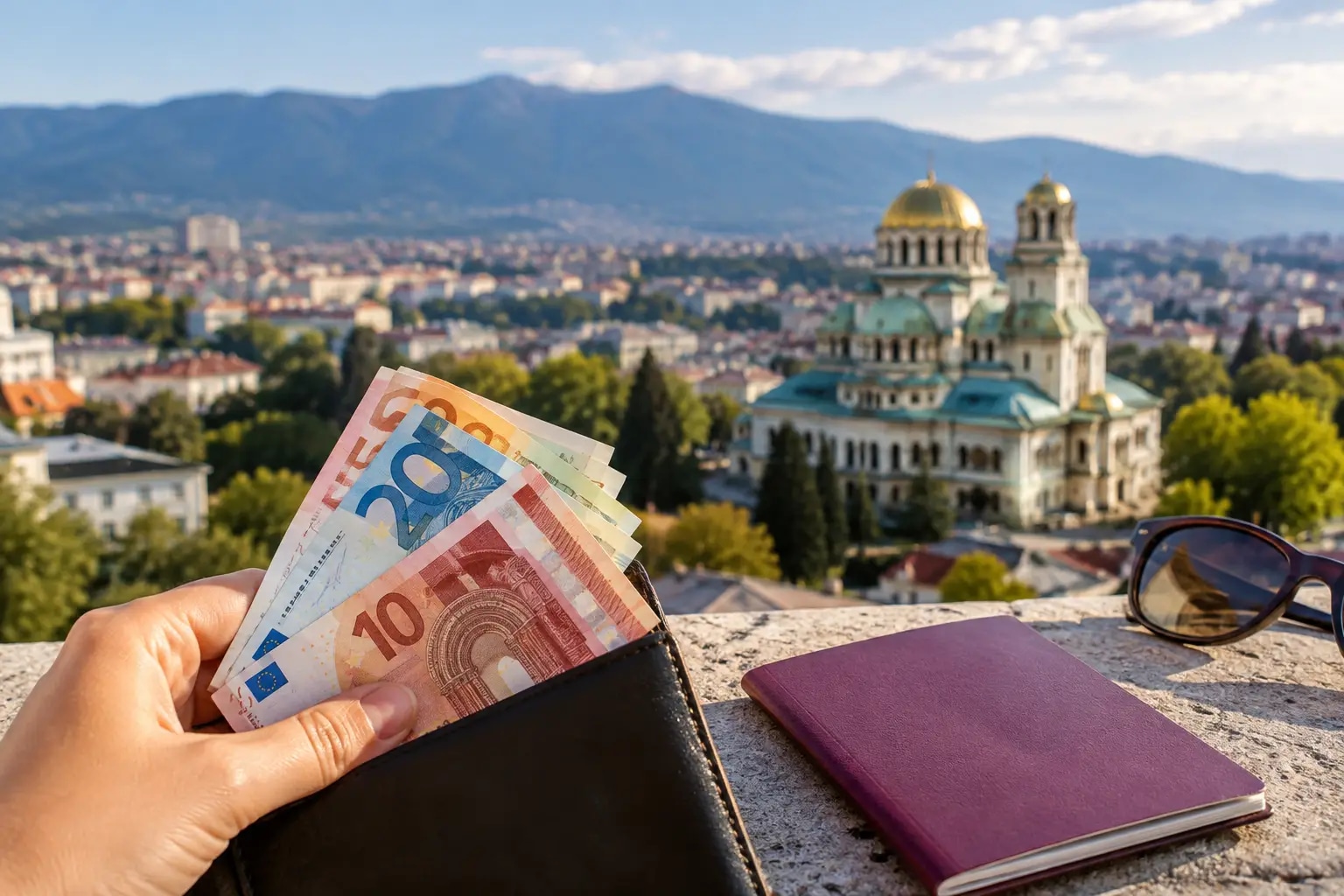
If you have euros left from a previous trip, you can now use them in Bulgaria without doing a separate currency exchange first. The short answer to Does Bulgaria accept euros is yes: Bulgaria’s official currency is the euro as of January 1, 2026. For travelers planning a city break in Sofia, a ski week in Bansko, or a summer stay around Varna, Burgas, Nessebar, or Sozopol, that removes one small but meaningful piece of trip planning.
Still, accepting euros and paying smoothly are not exactly the same thing. Bulgaria has only recently changed currency, so you may still see old price references, receive advice based on the former Bulgarian lev, or encounter businesses that are adjusting their systems. Here is what that means in practical terms.
Does Bulgaria accept euros everywhere?
Yes. The euro is legal tender throughout Bulgaria, and prices are now charged in euros. Hotels, restaurants, supermarkets, attractions, taxis, ski lifts, and beach businesses should accept euro cash and euro-denominated card payments.
The former Bulgarian lev is no longer the currency for everyday purchases. During the short transition period at the start of 2026, both currencies could be used, but that period has passed. If you find lev tucked into a drawer from an earlier Bulgaria trip, do not expect to spend it at a café or shop now. It needs to be exchanged.
For most visitors from the eurozone, this is particularly convenient. There is no need to calculate whether the exchange booth rate is fair before buying a bus ticket, ordering dinner, or paying for an apartment. Travelers arriving from the United States, the United Kingdom, Switzerland, Serbia, Bosnia and Herzegovina, or other non-euro countries should still compare their bank’s card-conversion and ATM fees.
What happened to the Bulgarian lev?
Bulgaria replaced the lev with the euro at a fixed conversion rate of 1 euro = 1.95583 Bulgarian lev. That number is useful if you are comparing a current euro price with an old online review, menu photo, accommodation listing, or travel forum post that still quotes lev.
A price once listed as 100 lev is roughly €51.13. A 10-lev coffee was about €5.11 at the fixed conversion rate. This does not mean every former lev price simply became the exact mathematical euro equivalent. Businesses had to convert and round prices, and costs can also change for normal seasonal or commercial reasons.
For travelers, the useful rule is simple: treat any lev figures in older content as historical information. Check the current price directly before making a budgeting decision, especially for transport, rentals, guided tours, and resort accommodation.
Can you exchange leftover lev?
Yes. Old lev banknotes and coins can be exchanged through the Bulgarian National Bank under the applicable exchange arrangements. Some commercial banks and exchange offices may also exchange them, though their availability, deadlines, and fees can differ.
If you hold a meaningful amount, do not hand it over at the first counter you see in an airport or tourist area. Confirm the rate and any commission first. The official fixed rate gives you a clear benchmark, so there is no reason to accept vague pricing.
Cash or card: what works best in Bulgaria?
Bulgaria is increasingly card-friendly, particularly in Sofia, Plovdiv, larger Black Sea resorts, shopping centers, ski areas, and modern hotels. Contactless payments are common, and travelers who use a card with low foreign-transaction fees can cover much of a typical trip without carrying much cash.
Cash still has a role. Smaller family-run guesthouses, local markets, beach kiosks, mountain huts, rural restaurants, and some taxis may prefer it. If you are staying in a smaller coastal village rather than a major resort, or driving through the Rila or Rhodope Mountains, keeping a modest cash reserve is sensible.
A practical split is to pay hotels, fuel, supermarkets, and larger restaurant bills by card, while carrying small euro notes for tips, coffee, parking, local transport, and places where the card terminal is unavailable. Do not arrive with only large notes. A taxi driver or a small bakery may not have enough change for a €50 note early in the day.
Be careful with card conversion prompts
At ATMs and payment terminals, you may be offered a choice between paying in euros or in your home currency. If your card is from the United States, for example, the screen might offer US dollars. In most cases, choose to pay in euros and let your own bank or card provider handle the conversion.
The alternative is dynamic currency conversion, where the ATM or merchant applies its own exchange rate. It can look convenient because you see a familiar dollar, pound, or Swiss franc amount, but the rate is often less favorable. Read the screen before confirming, especially at independent ATMs in high-traffic tourist areas.
How much money should you budget?
The euro makes comparison easier, but Bulgaria can still offer very different value depending on where and when you go. Sofia and Plovdiv can be good choices for a lower-cost European city break, while peak summer accommodation around the Black Sea and peak winter stays in Bansko can rise sharply.
For a casual meal away from the most tourist-focused strips, expect pricing that is often competitive with other Balkan and Mediterranean destinations, though central locations and waterfront views cost more. A simple lunch, local bakery stop, or supermarket dinner can keep daily spending under control. Beach clubs, organized excursions, premium hotels, and imported drinks will change the picture quickly.
Families should pay particular attention to the extras that are not always included in an advertised room rate: resort parking, beach umbrellas and loungers, airport transfers, ski equipment, lift passes, breakfast, and cleaning fees for apartments. A cheap nightly price can look less attractive once those are added.
For diaspora travelers driving from Western Europe, the currency change makes the final part of the journey easier to manage. You can use the same cash wallet for Bulgaria as for many transit countries and avoid returning home with a pile of unusable coins. But road trips still need their usual planning: budget for fuel, parking, road charges, and a little cash for smaller stops.
Tipping, taxis, and everyday payments
Tipping is appreciated rather than rigidly fixed. In restaurants, rounding up or leaving around 5% to 10% for good service is common. For coffee, a short taxi ride, or a small food purchase, rounding to a convenient amount is usually enough.
For taxis, agree on the expected fare or confirm that the meter is running before the ride begins. This matters more than the currency itself. A euro price does not automatically mean a fair price, particularly near airports, bus stations, nightlife areas, and busy coastal promenades.
When booking accommodation, check the payment terms rather than assuming every price is handled the same way. Some properties charge a card in advance, some collect payment at check-in, and some request a cash deposit for incidentals. The amount should now be stated in euros, but the method still varies.
A quick payment checklist before you leave
Before traveling, make sure your bank knows you may be using your card abroad, check your foreign-transaction fee, and bring a second payment method in case one card is blocked or lost. Download offline maps if you will be driving or hiking, since finding an ATM should not dictate your route.
If you use a multicurrency card, hold euros rather than relying on an automatic conversion at the terminal. If you prefer cash, withdraw from a bank-operated ATM when possible and decline any conversion offer into your home currency. Keep receipts for larger cash withdrawals and exchanges until the trip is over.
Bulgaria’s move to the euro makes a trip easier to price, but the better savings still come from the choices around it: staying a little outside the busiest strip, comparing airport transfers with car rental, and booking the dates before peak demand takes over. Once payment is simple, you can spend more attention on the part that matters - whether your holiday is a quiet Black Sea escape, a mountain weekend, or a few well-planned days in Sofia.
Ready for your next adventure?
Compare flights, accommodation and activities – ljetovanje.com helps you find the best deals for your perfect holiday.
ljetovanje.com
Travel expert and contributor for Ljetovanje.com