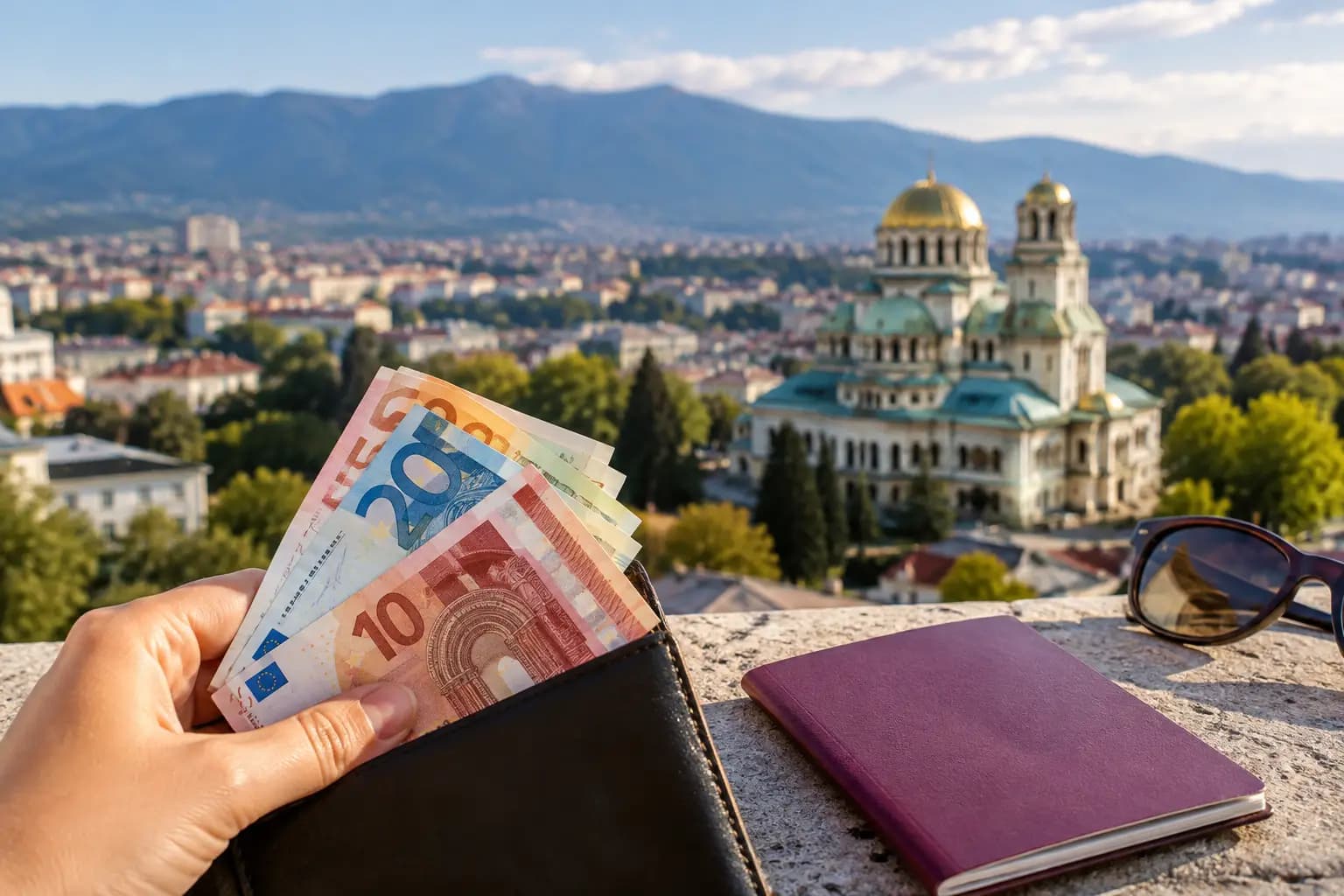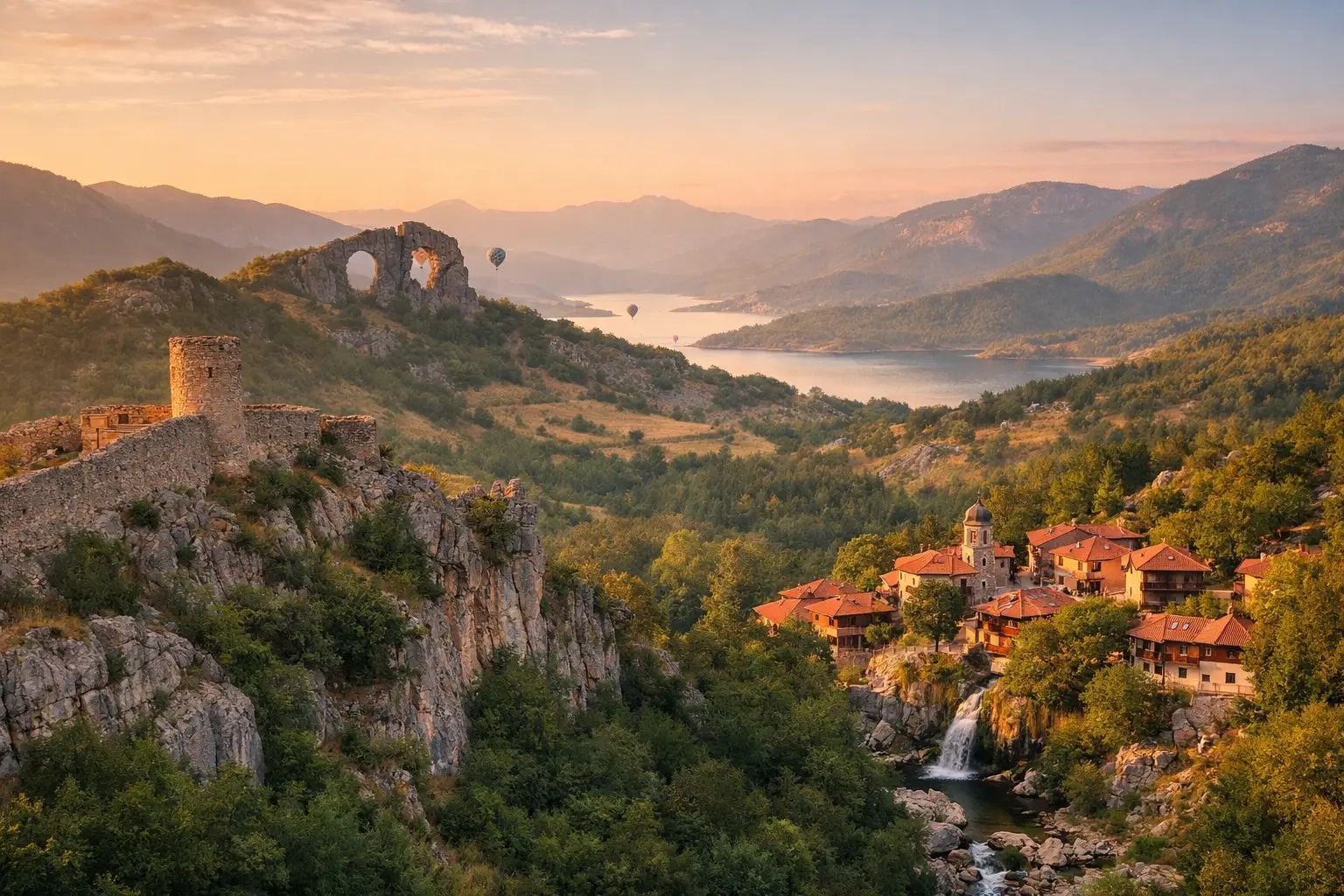
If your idea of Bulgaria begins and ends with Sofia, Bansko, and the big Black Sea resorts, you are seeing only the most convenient version of the country. Bulgaria off the beaten path is where things get more interesting - old stone villages in the Rhodopes, fortress towns with real daily life, mineral spa places locals still use, and coastal corners that feel calmer than the headline names.
For travelers from the Balkans and diaspora visitors flying in from Germany, Austria, Switzerland, or the US, that matters. Bulgaria is one of the easier countries in the region for mixing affordability with variety, but the best parts are not always the ones with the loudest marketing. The trade-off is simple: you often need a car, a bit more planning, and lower expectations for polished tourist infrastructure. In return, you get places that still feel lived-in.
Why choose Bulgaria off the beaten path?
The obvious answer is fewer crowds, but that is not the full story. Lesser-known Bulgaria works well because distances are manageable, prices are usually friendlier than in more saturated summer markets, and the country shifts character quickly. In a single trip you can move from Roman ruins to mountain meadows, from Thracian wine country to a quiet stretch of coast.
This is especially useful if you dislike one-note vacations. Families can split time between a city and nature. Couples can build a trip around food, wine, and spa hotels without paying peak Mediterranean prices. Road-trippers can cover a lot without spending half the holiday in transit.
Still, it depends on what you want. If you need nightlife, resort convenience, or a beach setup with every service in place, the mainstream destinations are easier. Off-the-radar Bulgaria is better for travelers who prefer atmosphere over checklist sightseeing.
The places that deserve more attention
Veliko Tarnovo for history with actual energy
Veliko Tarnovo is not exactly unknown, but it is still underrated compared with how strong it is as a short-stay destination. The city climbs over steep hills, the old houses hang dramatically above the river, and Tsarevets Fortress gives you the big historical backdrop people usually come for.
What makes it worth more than a day trip is the mood after the tour groups thin out. There is enough café and restaurant life to keep evenings lively, but it still feels local rather than staged. For travelers who want history without the museum-city fatigue, this is one of Bulgaria's smartest choices.
The Rhodope Mountains for slow travel
The Rhodopes are where many Bulgaria itineraries become better. This is not the part of the country you rush through. Villages such as Shiroka Laka and Kovachevitsa have the kind of traditional architecture that still looks rooted rather than reconstructed, and the wider region suits travelers who want walking trails, guesthouses, and food that feels homemade rather than optimized.
The appeal here is pace. You come for mountain views, folklore, sheep's milk dishes, and long drives that are part of the experience. The downside is that public transportation is not ideal if you want flexibility. With a car, the region opens up.
Belogradchik for a landscape that looks almost improvised
Belogradchik Rocks are one of those places that make people ask why they had not heard more about them earlier. The rock formations are strange in the best way - huge sandstone shapes rising above the town, with a fortress fitted into the terrain so naturally it seems borrowed from the cliffs.
This works well as a detour for travelers entering Bulgaria by land from the west or building a broader regional road trip. It is not a place packed with attractions for three full days, and that is exactly why many people enjoy it. One or two nights is enough to take in the landscape, walk, and breathe.
Melnik for wine, sandstone, and a small-town stop that actually feels different
Melnik is Bulgaria's smallest town, but size is not the point. The setting is what gives it character: dramatic sand pyramids, old houses, and a wine tradition that turns a short stop into a proper overnight. If you like compact destinations where you can walk everywhere, drink local reds, and keep the pace easy, Melnik is strong value.
Nearby Rozhen Monastery adds another layer without turning the trip into hard logistics. For couples especially, this part of southwestern Bulgaria works well because it feels distinct without requiring a complicated plan.
Koprivshtitsa for a different kind of historic town
Some historic towns feel preserved for visitors. Koprivshtitsa feels preserved because it never fully gave itself away. It is known for its Bulgarian National Revival architecture, painted facades, and role in national history, but the bigger appeal is the texture of the place - wooden porches, uneven streets, gardens, and houses that still give the town depth rather than just nostalgia.
It is a good pick if you want culture without the scale of a city break. The atmosphere is stronger if you stay overnight instead of arriving on a bus, taking photos, and leaving by mid-afternoon.
Quiet coast, not crowded coast
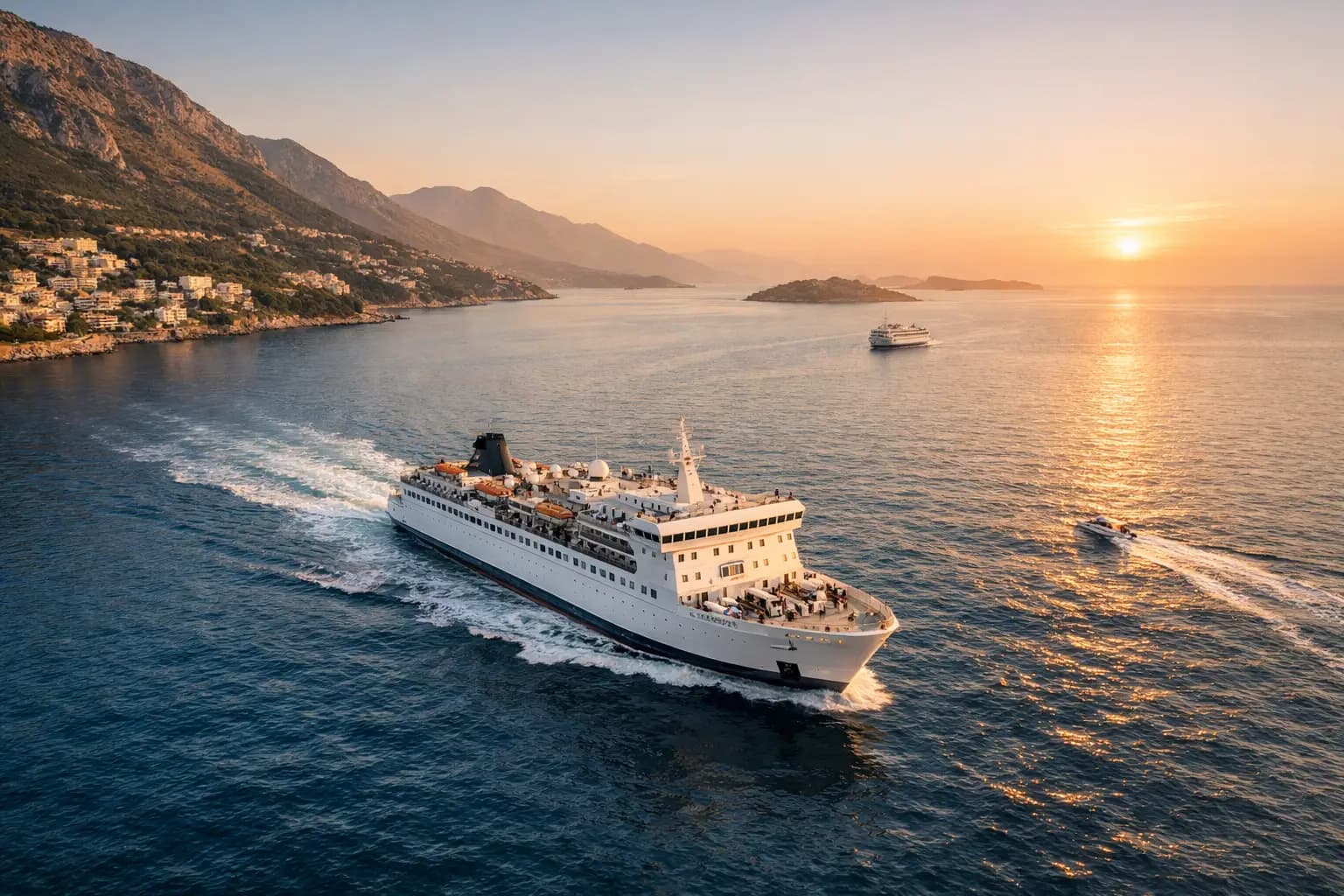
When people think beach in Bulgaria, they often jump straight to the biggest resort names. That makes sense if convenience is the priority. But Bulgaria off the beaten path on the coast is about smaller bases, older towns with shoulder-season charm, and beaches where your day is not built around loud bars and packed promenades.
Sozopol outside peak pressure
Sozopol is not hidden, but timing changes everything. In high summer, it is busy. In late June or early September, it becomes far more appealing - old wooden houses, a historic center with character, and enough beach access without the oversized-resort feel. For many travelers from the region, this is a better formula than the louder Black Sea strips.
Sinemorets for the southern coast at its best
Closer to the Turkish border, Sinemorets feels looser and less commercial than the classic resort corridor. The beaches are beautiful, the surrounding nature gives the area more breathing room, and the crowd tends to be there on purpose rather than by package default.
This is a smart choice for travelers who want sea and scenery together. It is less ideal if you want polished nightlife or large family resort infrastructure. But for couples, independent travelers, and anyone burned out on crowded coasts, it is easy to like.
Inland Bulgaria that works year-round
One reason Bulgaria is practical is that it is not only a summer destination. Some of the best offbeat stops make sense in spring and fall, and a few are good almost any time.
Mineral spa towns with local logic
Bulgaria's mineral water culture is one of its quieter strengths. Places like Velingrad are better known domestically than internationally, which is often a good sign. You will find spa hotels, forested surroundings, and a style of travel that appeals to people who want rest more than spectacle.
Not every spa town is equally charming, and some hotels can feel dated. But if your priority is recovery, pools, lower prices than Western Europe, and a base that works for multigenerational travel, this side of Bulgaria deserves a look.
Villages near Plovdiv and the Rose Valley
Plovdiv gets deserved attention, but the surrounding area is where a broader trip starts to breathe. Smaller towns and villages in the Rose Valley and nearby wine regions add context that cities alone cannot give. Depending on season, you can combine vineyard visits, monastery stops, and drives through landscapes that feel softer and more agricultural than the mountain-heavy image many travelers have of Bulgaria.
This works particularly well for people who do not want a hyperactive itinerary. One city base, a rental car, and a few focused day trips can produce a much better trip than trying to cover half the country in a week.
What to know before you go
The main practical question is transport. For most offbeat routes, a car makes the biggest difference. Bulgaria is not hard to drive in if you are used to Balkan road travel, but mountain roads can be slower than they look on a map. Build in more time than the distance suggests.
Accommodation is another area where expectations matter. In smaller towns, you will often choose between family-run guesthouses, simple hotels, and a handful of stronger boutique options. That is part of the appeal, but it also means you should book early in summer and on holiday weekends.
Food is usually one of the easiest wins. Even in quieter destinations, you can eat well without overthinking it. Regional dishes, grilled meats, salads, yogurt-based starters, and local wine keep costs reasonable and quality high. The best meals are often in places that look ordinary from the outside.
If you are planning from abroad and trying to keep the trip efficient, think in clusters rather than long jumps. Sofia with Koprivshtitsa or the Rila side. Plovdiv with the Rhodopes or Rose Valley. The southern coast with Sozopol and Sinemorets. That kind of structure saves time and keeps the holiday feeling like a holiday.
Bulgaria rewards travelers who leave a little space in the plan. Not because every hidden place is magical, but because the country is strongest when you let it be uneven, local, and slightly surprising.
Ready for your next adventure?
Compare flights, accommodation and activities – ljetovanje.com helps you find the best deals for your perfect holiday.
ljetovanje.com
Travel expert and contributor for Ljetovanje.com