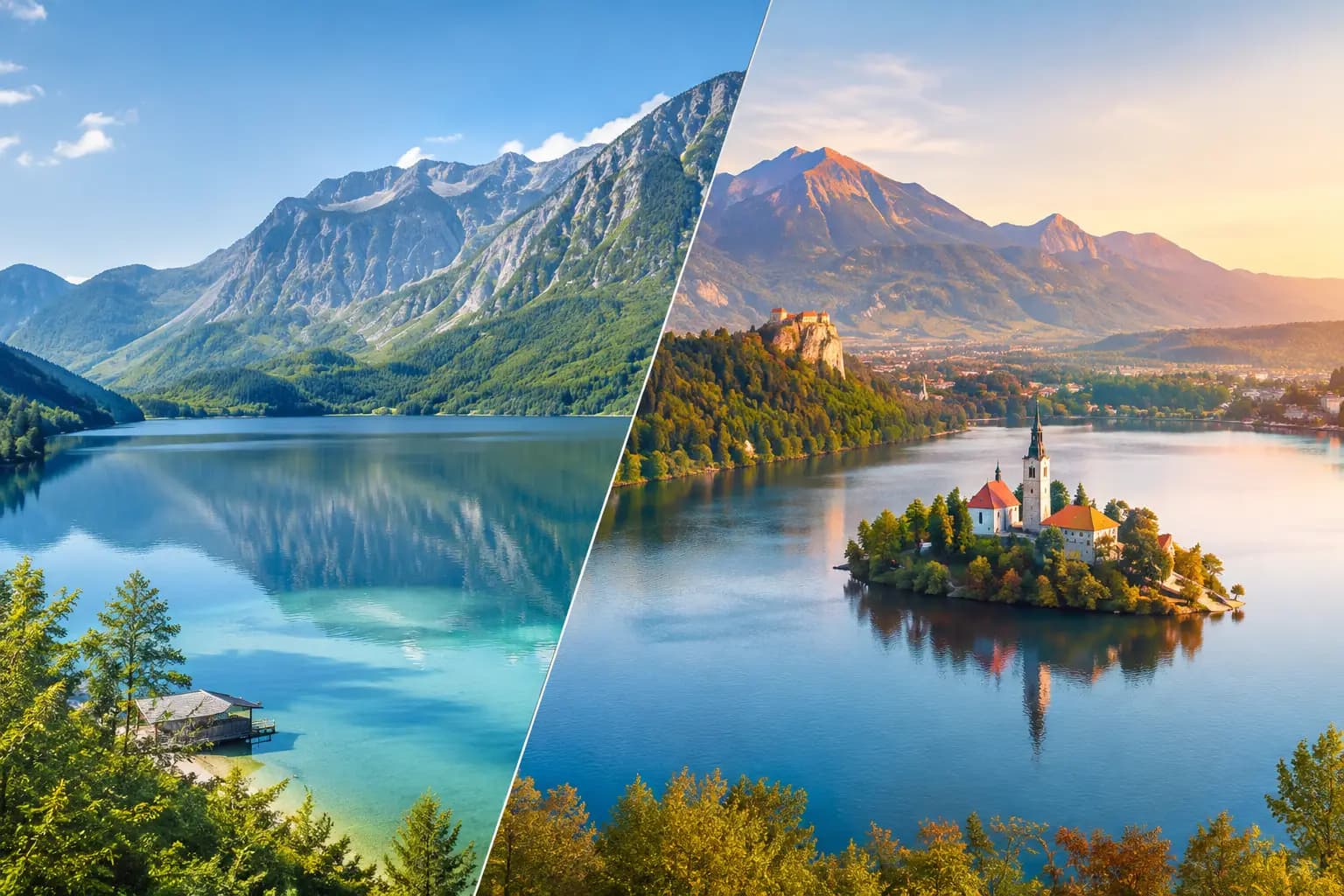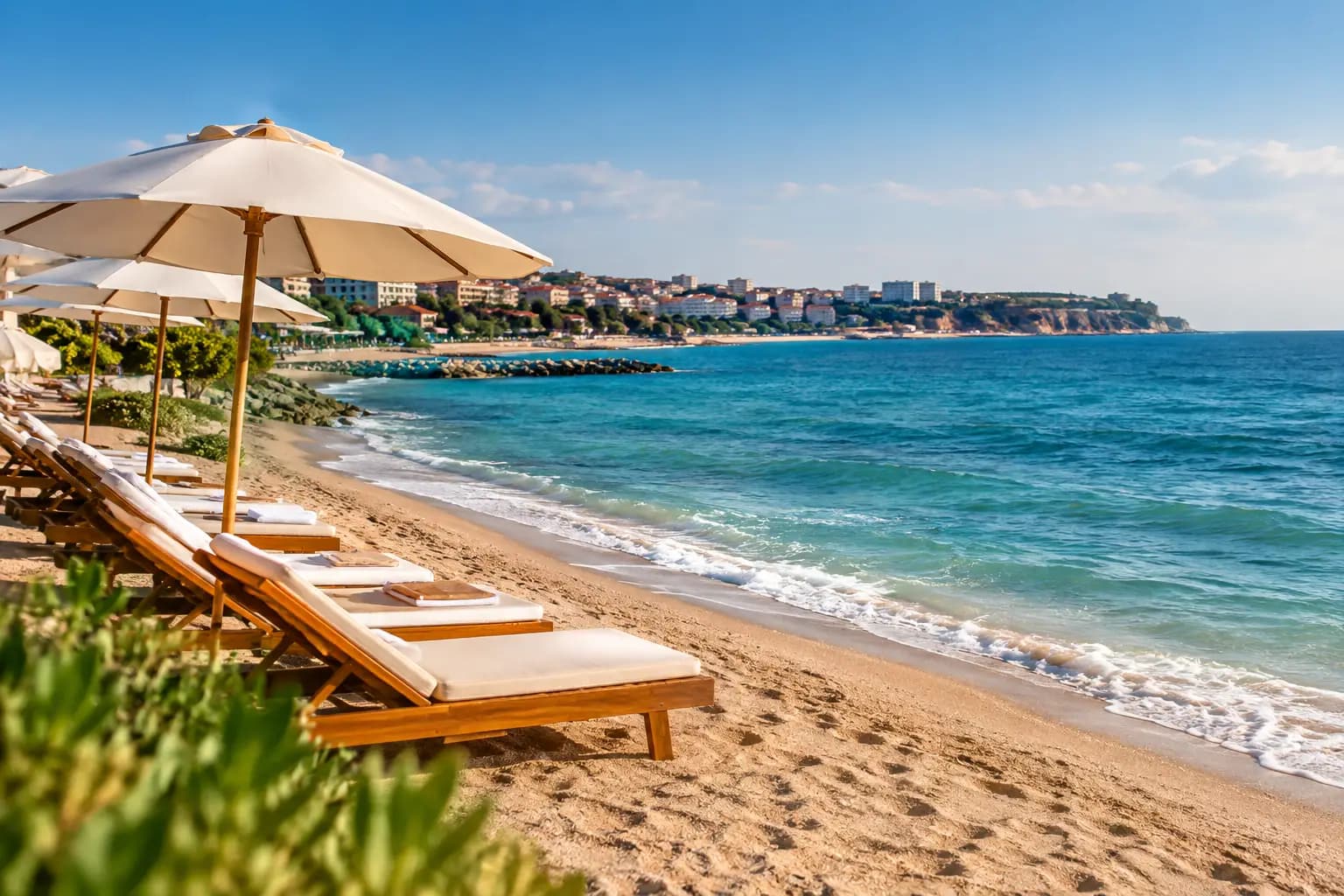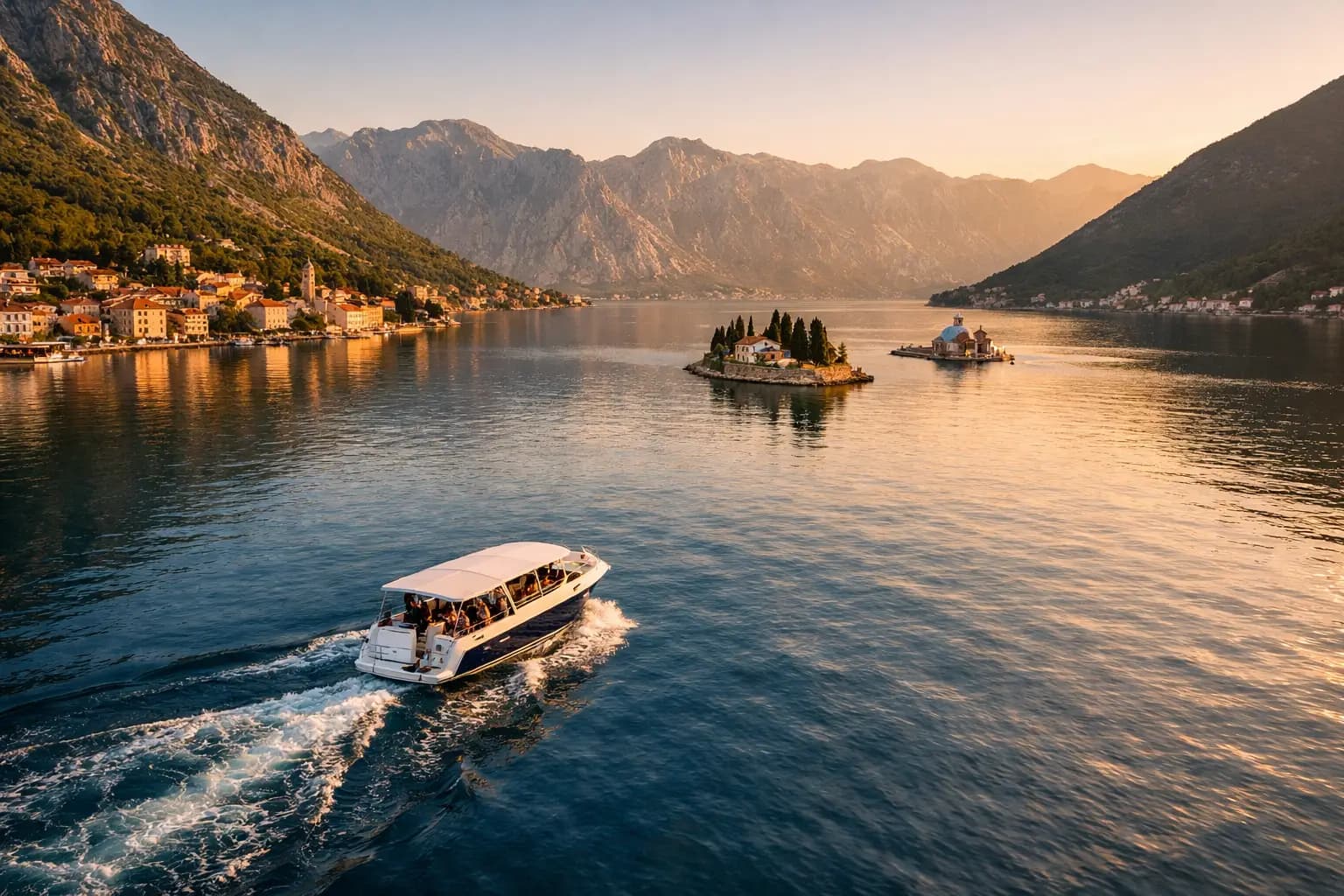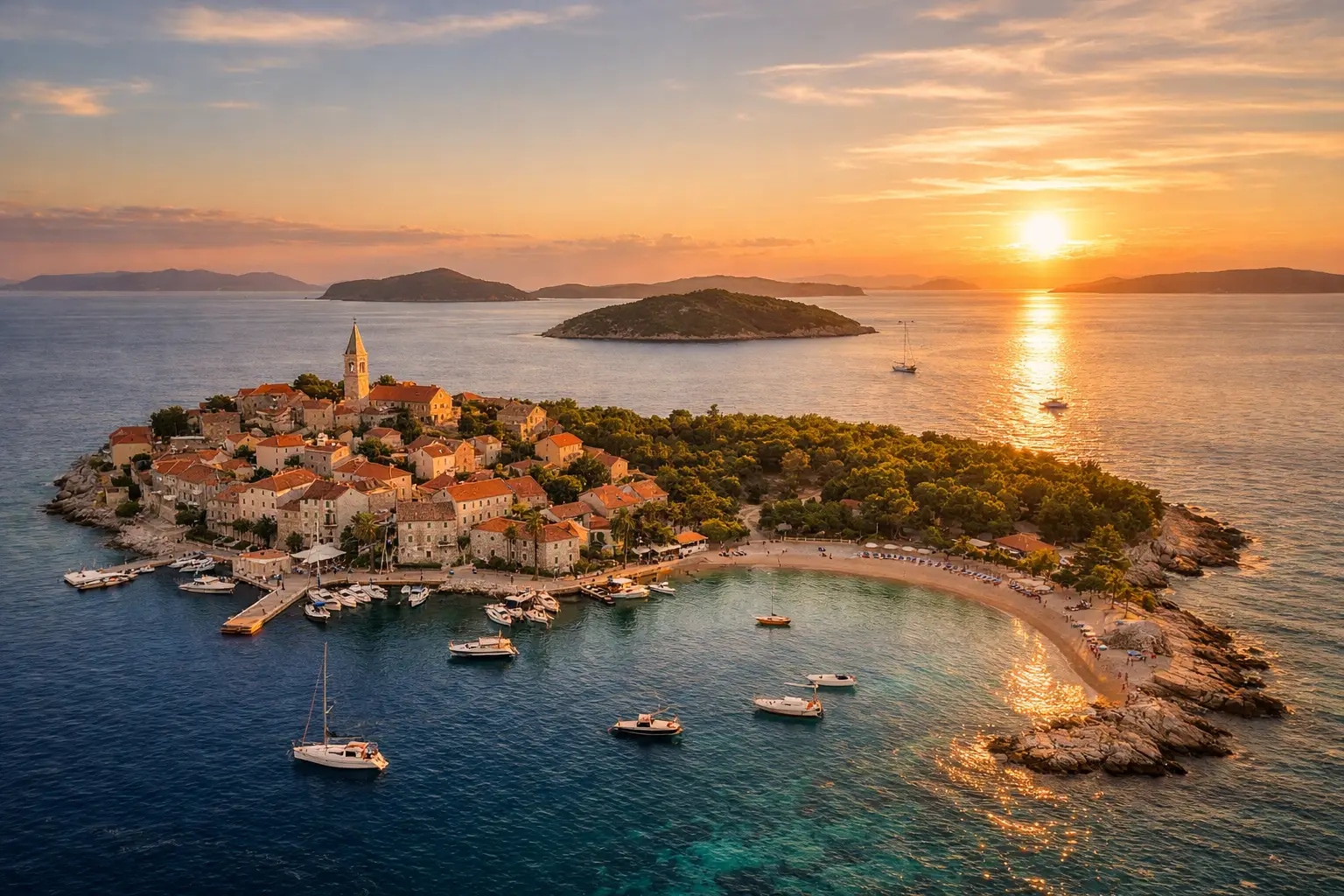
If your ideal Adriatic holiday starts with the sound of suitcase wheels on stone and ends without once looking for parking, the best car free islands Croatia offers are worth your attention. These islands feel different from the moment you arrive - slower, calmer, and far less shaped by traffic. For families with kids, couples who want peace, or diaspora travelers trying to fit a short summer break into a tight schedule, that difference matters more than any postcard view.
Croatia has plenty of islands where cars exist but do not dominate. A smaller group goes further: historic centers, villages, or entire islands where walking is the default and golf carts, bicycles, and boats replace traffic. That usually means fewer logistics on arrival, quieter nights, and a more compact kind of holiday. It also means trade-offs. If you need to carry lots of luggage, travel with elderly relatives, or want to explore a large island every day, car-free sounds romantic until the third uphill walk in the heat.
What makes the best car free islands Croatia worth choosing?
A car-free island is not automatically better. It is better for a certain style of trip.
If you want beach hopping by car, big supermarkets, and easy apartment access with private parking, choose a larger island and skip the idea entirely. But if your priority is atmosphere, short walking distances, and a town where the waterfront is for people rather than vehicles, a car-free island often gives you a cleaner, simpler version of the coast.
For travelers coming from the US or Western Europe to visit family and add a few sea days, this can be especially practical. You land, transfer to the ferry, walk to your accommodation, and settle in. No rental desk, no fuel stops, no parking debates. Just keep in mind that ferry timing matters more on these trips than it does on mainland stays.
7 best car free islands in Croatia
1. Kolocep
Kolocep, near Dubrovnik, is one of the easiest picks if you want a genuinely car-free Croatian island without overcomplicating the trip. There are no cars on the island, and the scale is manageable even for a short stay. Pine shade, small coves, and clear water do most of the work here.
It suits couples and families who want a soft, low-effort island holiday. The catch is that Kolocep is quiet in a very literal sense. If you want nightlife, lots of restaurant choice, or a feeling that something is always happening, you may find it too still after a day or two.
2. Lopud
Lopud is probably the most balanced option for many travelers. Also near Dubrovnik and part of the Elaphiti group, it has no cars, but it feels livelier than Kolocep. The waterfront has enough movement to keep the place interesting, while the sandy Sunj Beach gives it an edge for families with children who do not love rocky entries into the sea.
Lopud works well if you want that car-free atmosphere without feeling isolated. It is polished enough for a comfortable stay, but not overly slick. In peak season, though, day-trippers can change the mood around the port, so accommodation location matters.
3. Susak
Susak is one of the most unusual islands in Croatia, not just one of the best car free islands Croatia has. Its sandy soil, distinct local identity, and lack of cars make it feel separate from the usual Adriatic pattern. You do not come to Susak for a checklist holiday. You come because you want somewhere with character.
This is a strong choice for repeat Croatia visitors who have already done the obvious islands and want something more specific. But Susak is not the easiest option logistically, and that is the price of its uniqueness. Ferry planning needs attention, and the island is better for travelers who enjoy simplicity rather than convenience dressed up as authenticity.
4. Zlarin
Zlarin, near Sibenik, often gets overlooked by international visitors, which is part of its appeal. Cars are not part of the island rhythm, and the place feels lived-in rather than designed around tourism first. That usually means a more grounded experience and fewer crowds than the headline islands.
It is a good fit for travelers who like real village atmosphere, morning swims, and evenings that stay low-key. If your idea of vacation includes boutique shopping, beach clubs, and a packed dining scene, Zlarin may feel too restrained. For many people, that is exactly why it works.
5. Prvic
Prvic is another smart choice in the Sibenik area, especially for short breaks. The island has two main settlements, Prvic Luka and Sepurine, both easy on the eyes and manageable on foot. There are no cars, and the whole experience feels compact in the best way.
Prvic is ideal if you want a few genuinely restful days and do not need a long list of activities. It is less about standout beaches and more about atmosphere, stone houses, and not having to think too much once you arrive. For people who spend most of the year in cities, that simplicity can be the main luxury.
6. Silba
Silba has long had a reputation as one of the Adriatic's classic pedestrian islands. There are no cars, and even bicycles are restricted in some areas during summer, which tells you a lot about the local approach. The result is a place where walking is not just common but central to the identity of the island.
Silba suits travelers who want an old-school summer rhythm - swims, shaded paths, simple meals, and evenings outside. It has a loyal following for a reason. The trade-off is accessibility. Depending on your route and schedule, getting there can be less straightforward than reaching islands closer to major mainland hubs.
7. Unije
Unije is a quieter, more understated option in the Kvarner area. Small-scale, low-traffic by definition, and naturally suited to people who do not need much external entertainment, it rewards travelers who appreciate space and calm. You feel the absence of cars here not as a novelty, but as a condition of daily life.
This island is not for everyone. If you are traveling with very young kids and lots of gear, or if you want multiple organized excursions, it may feel too remote. But for a couple or a solo traveler who wants to actually switch off, Unije makes a strong case.
How to choose the right car-free island for your trip
The smartest way to choose is not by asking which island is best, but best for what.
If you are staying near Dubrovnik or building your trip around that part of the coast, Lopud and Kolocep are the practical front-runners. They are easier to combine with flights and shorter stays. If you are looking for something less obvious and more local in feel, Zlarin and Prvic make more sense. If your priority is distinct identity over pure convenience, Susak and Silba are stronger candidates.
Accommodation style matters too. On car-free islands, staying close to the port can make arrival much easier, especially if you are carrying luggage in summer heat. On the other hand, staying farther out may give you the quiet you came for. There is no universal answer - only a balance between comfort and atmosphere.
Practical tips before you book
On islands without cars, packing changes. Bring less than you think you need, and use luggage you can carry over stone streets and short inclines. A large hard-shell suitcase may look manageable at the airport and become annoying five minutes after disembarking.
Check ferry schedules before booking accommodations, not after. This sounds obvious, but it catches people every summer. Some islands are easy as day trips yet awkward for longer stays if your arrival time is off. Others work beautifully if you match your flight and ferry well.
Also think about who you are traveling with. A car-free island can be perfect for children because there is less danger from traffic, but not every island has the same beach access or shade. For older travelers, distance from the port to the apartment can matter more than the island itself.
Are car-free islands in Croatia good for families?
Often yes, but not automatically. The big advantage is safety and ease of movement once you arrive. Kids can move more freely, and parents spend less energy on road logistics. Islands like Lopud are especially attractive because they combine a pedestrian setting with family-friendly beach options.
Still, family travel depends on setup. If you need frequent shopping, baby gear, or minimal walking, some car-free islands are easier in theory than in practice. In those cases, a small town on a larger island may give you a similar atmosphere with fewer constraints.
When to go
June and early September are usually the sweet spots. You get warm sea, active ferry connections, and a more relaxed pace than the peak weeks of late July and early August. In high season, even quiet islands can feel busier around arrivals and restaurant hours.
If your main goal is silence, shoulder season is the better choice. If your goal is swimming every day with all services running, midsummer still has advantages. It depends on whether you value calm or certainty more.
A good island holiday does not always need a car, a packed itinerary, or a famous name. Sometimes the right choice is the place where your days become simpler the moment you step off the boat.
Ready for your next adventure?
Compare flights, accommodation and activities – ljetovanje.com helps you find the best deals for your perfect holiday.
ljetovanje.com
Travel expert and contributor for Ljetovanje.com