If you have ever spent more time comparing coastal towns than actually booking your trip, this Adriatic summer travel guide is for you. The Adriatic looks simple on a map, but summer decisions here are rarely simple. The right choice depends on how you travel, who you travel with, how much driving you can tolerate after landing, and whether you want old-town evenings or a beach you can reach with a stroller and a cooler bag.
That is where many travelers from the Balkans and diaspora get stuck. A week on the coast is not just about pretty water. It is about flight timing, border crossings, apartment value, parking stress, ferry schedules, and whether your "quiet seaside break" turns into a hunt for a free table at 9 pm. The best Adriatic trip is usually not the most famous one. It is the one that fits your real habits.
How to use this Adriatic summer travel guide
Start with a simple question: what kind of summer do you actually want? Not the version you save on social media, but the one you will still enjoy on day five.
If you want polished old towns, island hopping, and the widest range of accommodation, the Croatian coast usually gives you the most options. If you want a shorter coast with dramatic scenery and a compact trip, Montenegro can be the smarter call. If lower prices matter more than postcard familiarity, Albania often offers strong value, especially for travelers willing to trade some polish for savings and space.
The mistake is treating the Adriatic as one uniform coastline. It is not. A family coming from Stuttgart for eight nights has different needs than a couple flying from New York to reconnect with the region and squeeze in three bases in one trip. Summer planning works better when you choose for logistics first and aesthetics second.
Pick the right stretch of coast
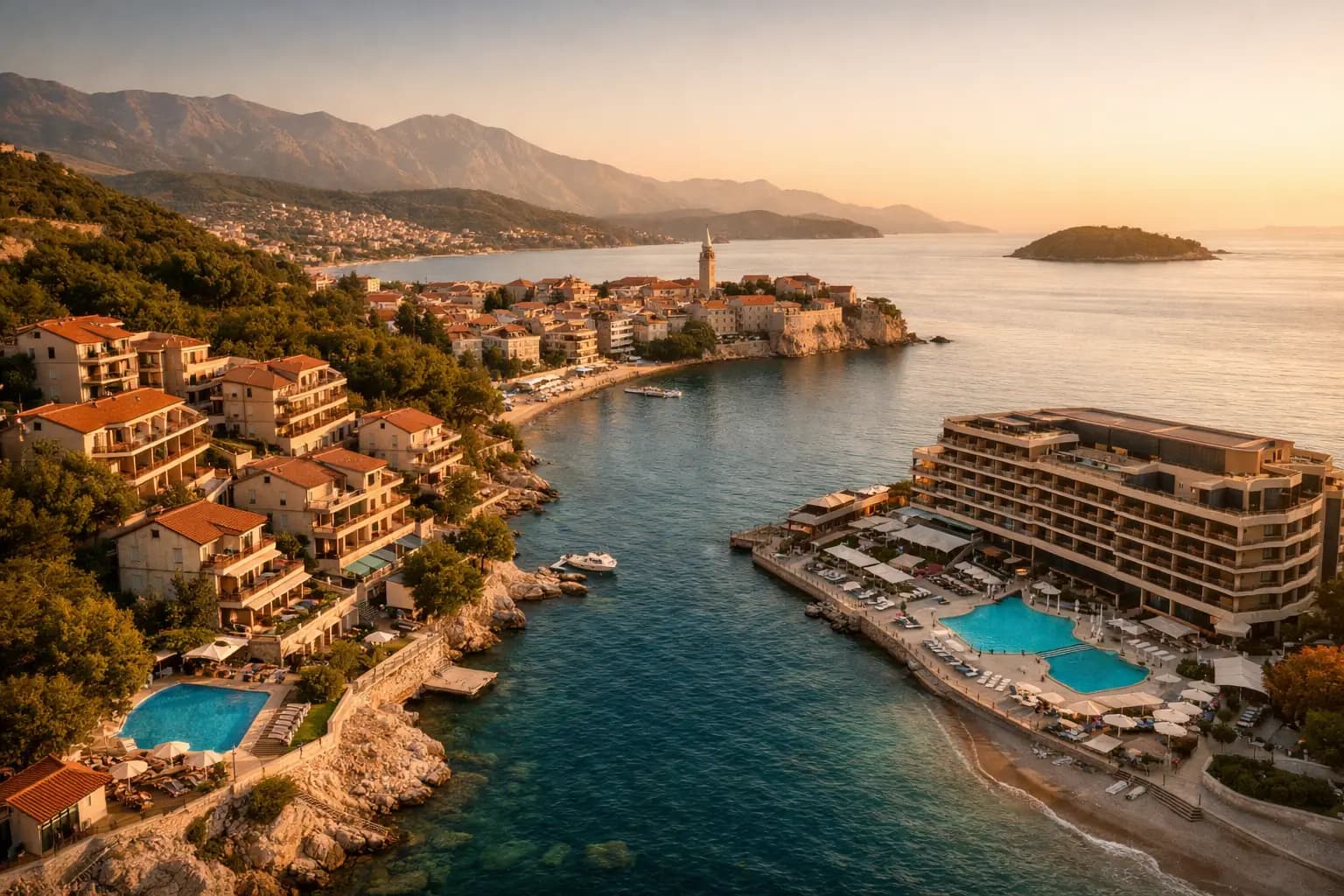
Northern and central Adriatic destinations tend to work well for easier access and shorter transfer times, especially if you are driving from Austria, Germany, or Slovenia. They also suit families who do not want an all-day travel day before unpacking. Beaches here are often practical rather than dramatic, but practical has value when you are carrying bags, kids, and groceries.
Further south, the scenery usually gets stronger, and so does the effort. The most photographed places often come with more traffic, pricier parking, and tighter availability in July and August. That does not mean you should avoid them. It means you should arrive with realistic expectations.
Montenegro is a good example of trade-offs done well. You can fit mountains, bay views, and beach days into a relatively short distance, which is rare. But because the coast is compact, summer bottlenecks happen fast. A route that looks short on paper can feel much longer in peak season.
Albania makes sense for travelers who care about value and are open to a less standardized experience. In the right place, you can still find good apartment deals and beaches that feel less overbuilt than parts of the northern Adriatic. The trade-off is that road conditions, parking, and service consistency can vary more from town to town.
Timing matters more than most people think
The best Adriatic summer trip is often not in peak summer. Late June and early September regularly offer the best balance of weather, prices, and sanity. The sea is warm enough in many places, accommodation pressure drops, and you spend less of your vacation in traffic or waiting for a table.
July and August are still the default for many families because school calendars leave little flexibility. If that is your window, the answer is not to give up - it is to book earlier and choose smarter. Stay slightly outside the headline hotspots, prioritize towns with walkable centers, and do not underestimate the value of private parking.
For diaspora travelers returning during the busiest weeks, there is another layer. Many combine holiday time with family visits, which changes the pace of the trip. In that case, it often helps to split the stay: a few days near relatives, then a cleaner resort-style stretch somewhere calmer. One long booking in one crowded town can feel heavier than two shorter stays with a reset in between.
Flights, driving, and the last-mile problem
People often compare only flight prices and forget the most annoying part of summer travel: what happens after landing. A cheaper ticket is not always cheaper once you add car rental, tolls, transfers, or a three-hour crawl to the coast.
For many Adriatic trips, the real planning question is not airport choice alone but airport-to-apartment friction. If you land late with children, or after a transatlantic flight, a one-hour transfer may be worth paying more for. If you are traveling light as a couple, you can tolerate more movement and use that flexibility to save.
Driving gives you freedom, especially for apartments, groceries, and beach hopping. It also gives you fatigue, parking stress, and summer traffic. For families staying one week in one place, driving can still be the most practical option. For shorter trips, especially four to six nights, flights plus a compact local transfer often feel more efficient.
This is where a platform like Ljetovanje.com is useful in a very specific way - not because it makes the coast magically simpler, but because it helps compare the parts travelers actually care about: routes, accommodation type, and practical combinations that fit regional travel habits.
Where to stay without overpaying
Apartments remain the default choice for a reason. They give families more space, let you control meal costs, and usually make longer stays easier. They are also often the better cultural fit for Adriatic travel, where many people want a base rather than a fully packaged resort experience.
Hotels make more sense than some travelers admit, especially for shorter stays, couples, and anyone arriving without a car. If breakfast, central location, and daily cleaning remove friction from your trip, the extra cost may be justified. What looks cheaper on paper can become more expensive once you factor in parking, restaurant meals, and the time spent managing logistics.
Location matters more than star rating in summer. A simple apartment 7 minutes from the beach and 10 minutes from the bakery often beats a nicer place that requires driving every time you want coffee or a swim. This is especially true with children, older parents, or mixed groups where not everyone moves at the same pace.
A practical Adriatic summer travel guide for different travelers
Couples usually have the most freedom, so they should use it. You can travel in shoulder season, switch towns more easily, and choose places with better evening atmosphere rather than only family convenience. For couples, a smaller room in the right location is often better than a larger place on the edge of town.
Families need rhythm. Beach access, shade, parking, grocery distance, and apartment layout matter more than stylish design. If your children still nap, avoid accommodation in the loudest center, even if the photos look better. The extra five minutes of walking can save the whole trip.
Diaspora travelers often carry two itineraries at once: the holiday plan and the family plan. That creates emotional pressure and time pressure. Leave margin. Do not pack every day. If the trip includes family visits inland and a coastal stay, treat them as separate phases rather than one continuous holiday mood. That small mental shift usually makes the trip feel less rushed.
Friend groups should settle expectations early. If half the group wants beach clubs and the other half wants quiet bays and grilled fish, choose a base with options nearby. Summer arguments are rarely about the destination itself. They are usually about distance, budget, and pace.
Budget strategy: save where it counts
The biggest summer savings usually come from four choices: travel dates, town selection, accommodation type, and booking timing. Not from trying to save twenty dollars on a flight while booking a last-minute apartment in the busiest week of the year.
Stay one row back from the sea and you may save significantly without changing your daily experience much. Choose a smaller town near a famous one and you may get better parking, lower prices, and calmer evenings. Book early for peak summer, but compare carefully for June and September because late value can still appear.
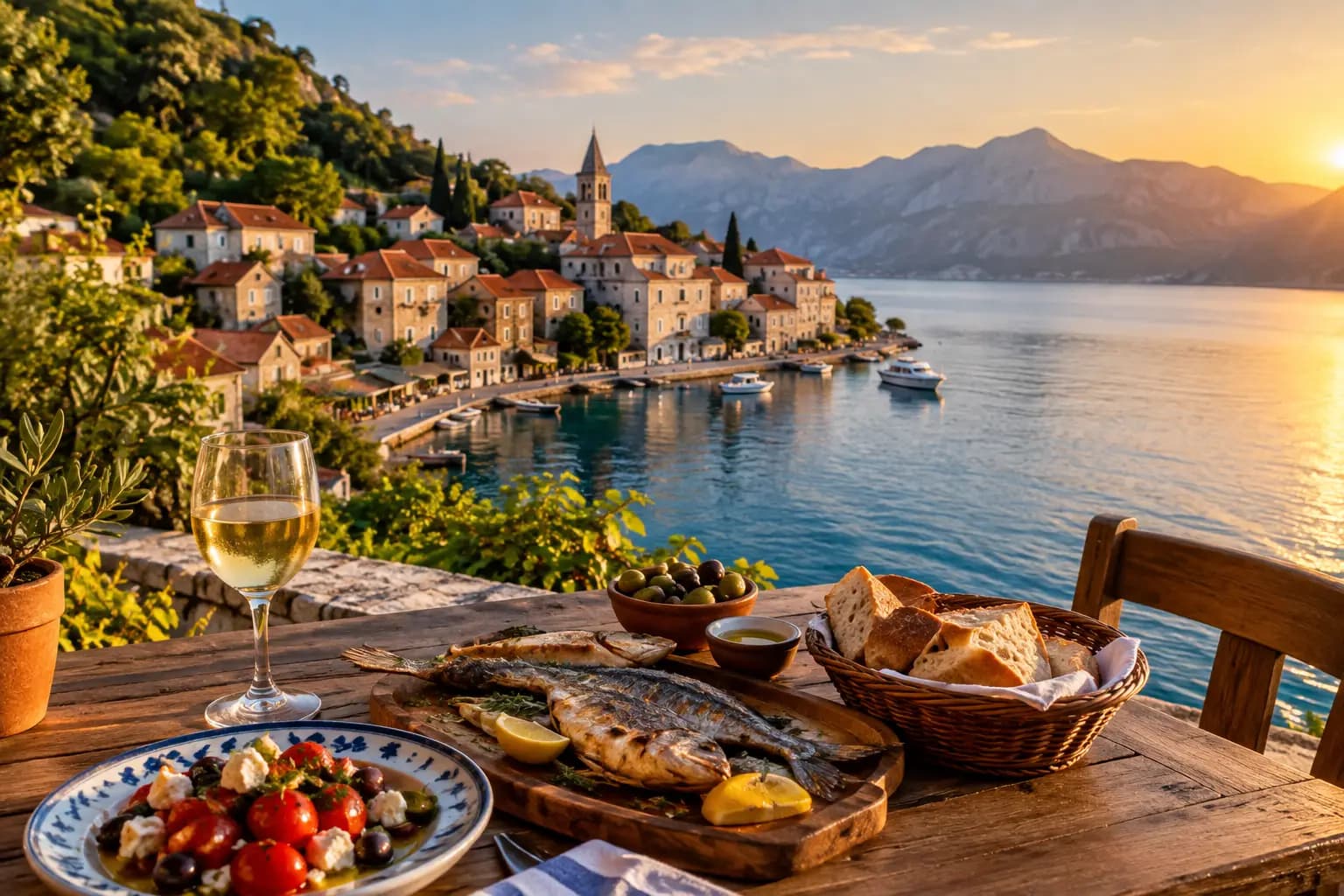
Also be honest about food spending. Travelers often budget carefully for accommodation and then overspend because the apartment is too far from decent stores or every dinner turns into a high-season waterfront meal. A place with a functional kitchen and a nearby market is not boring. It is often the reason a 10-day trip stays affordable.
What makes a good Adriatic trip in summer
A good trip is not the one with the most stops or the bluest water on your phone. It is the one where the logistics do not wear you down. The Adriatic rewards travelers who plan with a little restraint.
Choose fewer bases. Respect transfer times. Pay attention to parking, shade, and walking distance. If you are traveling in high season, book the essentials early and leave the rest flexible. That balance usually works better than either extreme - overplanning every lunch or improvising your way into August availability.
The coast will still be beautiful. The difference is whether you experience it tired and reactive, or settled enough to enjoy it. Plan for the version of summer you actually want, and the Adriatic usually gives plenty back.
Ready for your next adventure?
Compare flights, accommodation and activities – ljetovanje.com helps you find the best deals for your perfect holiday.
ljetovanje.com
Travel expert and contributor for Ljetovanje.com