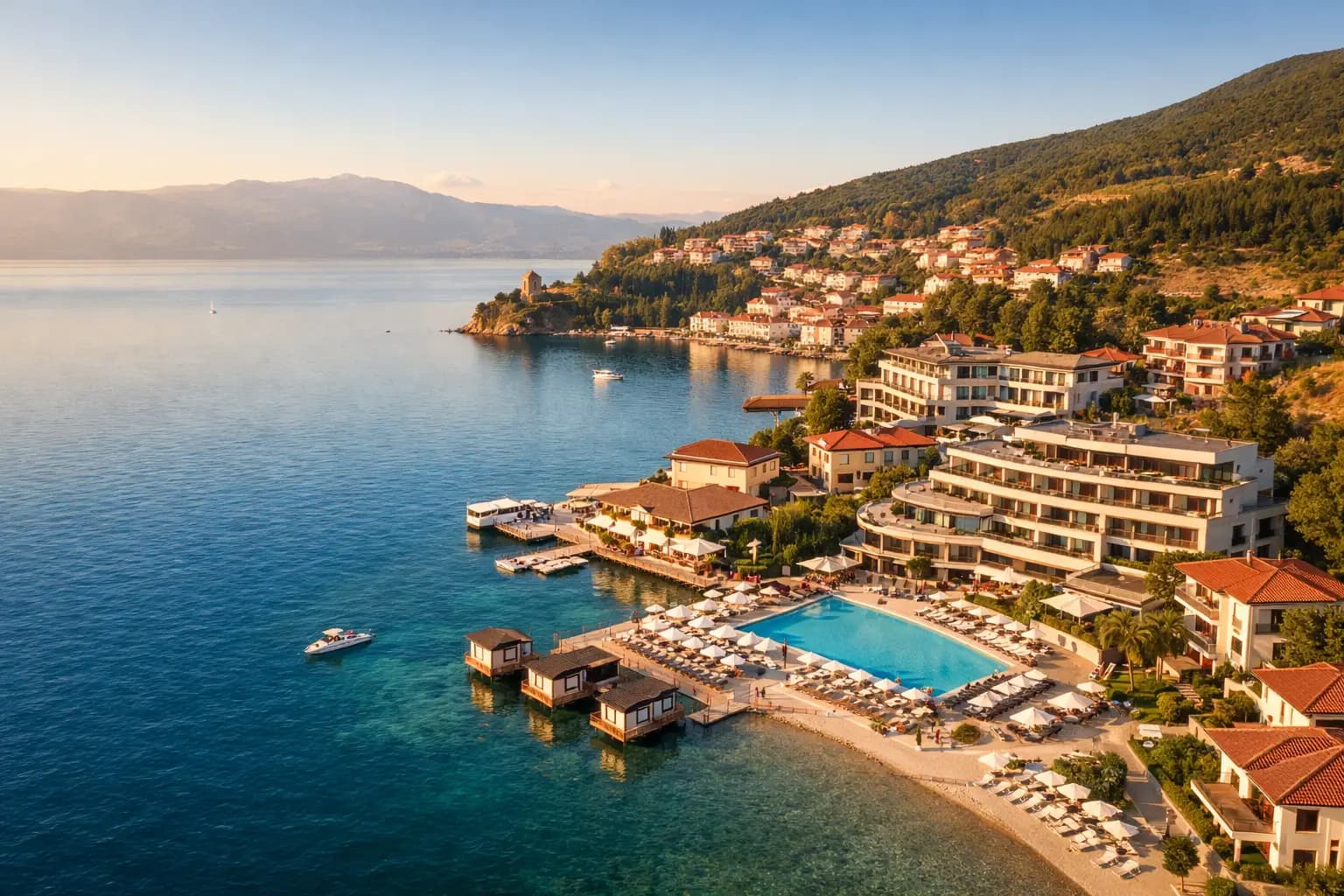
You usually know your Greece trip is taking shape when one argument starts early: island or mainland? For many travelers from the Balkans and diaspora families flying in from Germany, Switzerland, Austria, or the US, that choice matters more than people admit. A good Greece coast holiday guide is not really about listing pretty beaches. It is about matching the right coastline to your budget, your tolerance for transfers, and the kind of summer you actually want.
Greece rewards good planning. It also punishes lazy assumptions. Not every famous island is practical with kids, not every mainland beach town is boring, and not every cheap stay is worth the extra two ferry changes. If you want clear water, reliable tavernas, and less time losing a day to logistics, choosing the right coast is half the holiday.
How to use this Greece coast holiday guide
Think in travel styles, not just postcards. Some parts of the Greek coast are best for short stays with easy airport access. Others work better for a 10 to 14 day trip where slower pace makes the travel effort worthwhile. If you are traveling with family, apartment availability, supermarket access, shade, and parking matter as much as beach quality.
For most readers, Greece splits into four practical choices: the north for easier road trips and family stays, the Ionian side for green scenery and calmer summer rhythm, the Cyclades for classic island atmosphere, and Crete or Rhodes for travelers who want a bigger destination with more room to move. There is no single best answer. There is only the best fit.
Northern Greece: the easiest coast for many Balkan travelers
If convenience matters, northern Greece often wins. Halkidiki is the obvious name, and for good reason. It works well for travelers coming by car, especially those who prefer bringing more luggage, beach gear, or traveling with small children. The beaches are varied, the accommodation mix is broad, and the style of vacation is simple - swim, eat, rest, repeat.
The first peninsula, Kassandra, is usually the busiest and easiest to navigate for a standard summer trip. You will find plenty of apartments, beach bars, and organized beaches. Sithonia is more relaxed and more scenic in parts, with better odds of finding quieter coves, but it suits travelers comfortable with driving around. If your group wants nightlife and convenience, Kassandra is usually easier. If you want pine trees, cleaner-feeling pockets, and less crowd pressure, Sithonia tends to be the smarter pick.
Further south on the mainland, areas around Kavala, Thassos access points, and the Olympic Coast can make sense if price is a bigger factor than image. These areas are less glamorous in travel marketing, but that is exactly why some families return every year. They are practical, familiar, and often easier on the wallet.
The Ionian Coast and islands: greener, softer, often more balanced
The Ionian side feels different from the postcard idea of whitewashed Greece. It is greener, a bit softer visually, and often more forgiving for travelers who want scenic beaches without the stark, dry landscape of the Aegean. Parga, Lefkada, Kefalonia, and Zakynthos are the names that come up most often.
Parga is a strong choice if you want a coastal town feel without committing to a full island trip. It is attractive, walkable, and easy to understand quickly. That matters if you are only going for a week and do not want to spend two days figuring out ferries and local transport.
Lefkada is one of the most practical Greek island options because it is connected by bridge. That means island scenery without the ferry dependence, which is a real advantage in high season. It suits couples well, but it also works for families if you plan to drive and accept that some of the most famous beaches are better for views than for easy all-day family setups.
Kefalonia offers more space and a calmer rhythm. It is a better choice for people who dislike packed resort strips and want a slower, more spread-out trip. Zakynthos is more mixed. It has beautiful water and broad appeal, but parts of it can feel overdone in peak season. If your holiday tolerance for crowds is low, choose carefully where you stay.
Cyclades: beautiful, but not always the easiest choice
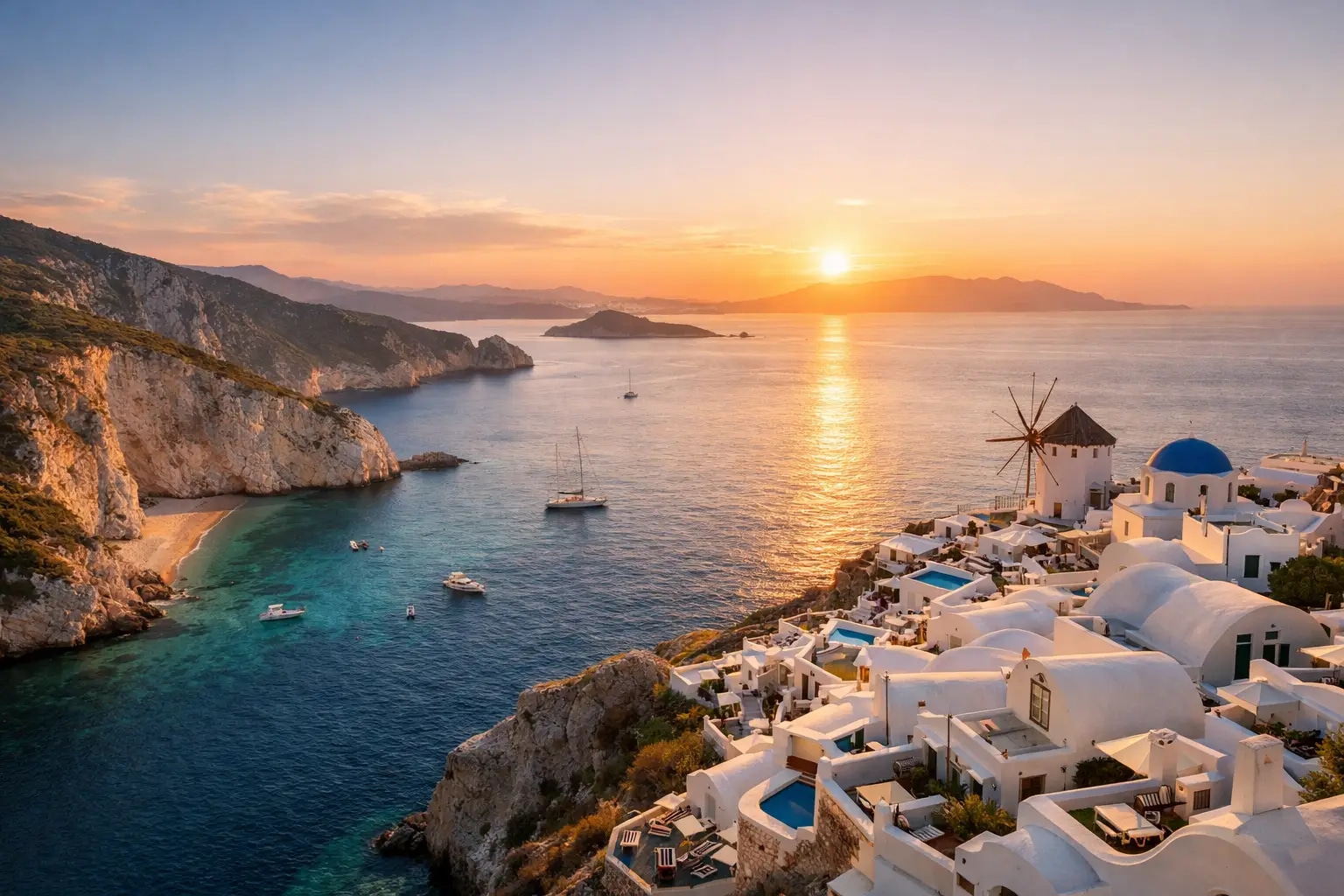
The Cyclades are what many people picture when they think of Greece - bright white villages, dry hills, and dramatic sea views. They can be excellent, but they are not automatically the best value or the easiest fit for every traveler.
Santorini is worth it for some people and overrated for others. If this is a first big Greece trip as a couple, and you care about views, sunset dinners, and a more polished atmosphere, it can feel special. If you want long beach days, generous apartment space, or a lower-stress family trip, it is usually not the strongest option.
Naxos is often the better all-rounder. It has beaches, enough traditional character, and a more relaxed price-to-quality balance. Paros is stylish and easy to enjoy, though summer demand can push prices quickly. Mykonos only makes sense if you know exactly why you are going and you are comfortable paying for the name. Many travelers are happier elsewhere.
This part of the Greece coast holiday guide comes with one rule: check transfers before you fall in love with photos. An affordable room means less if getting there takes a flight, a long wait, and two ferries.
Crete and Rhodes: better for longer stays
Big islands solve a lot of common Greece problems. Crete and Rhodes offer airports, a wide range of accommodation, plenty of beaches, and enough inland villages or towns to keep the trip varied. They are especially good for 10-night or two-week vacations.
Crete is the stronger choice if you like having options. Chania and the western side are especially popular because they combine good beaches with a more attractive urban base. The trade-off is driving. Distances are manageable, but they are not small, and famous beaches are often day-trip beaches rather than places to stay beside.
Rhodes is simpler to understand. It blends beach time, old-town atmosphere, and resort convenience more neatly. For families or mixed-age groups, that balance can be useful. It may not feel as varied as Crete, but it is often easier to organize.
What matters more than the destination name
Most people spend too much time debating islands and not enough time choosing the right setup. In Greece, your stay can shape the trip more than the region itself. If you are traveling with children, look for a place with easy parking, a beach within walking distance, and a supermarket nearby. A sea view is nice. A 12-minute uphill walk in heat with bags and toddlers is not.
If you are traveling as a couple, you can be more flexible. You might trade direct beach access for a prettier town center or better restaurants. If you are going with friends, check whether the area is built for evenings out or shuts down after dinner. Greece has both kinds of places, often within the same island.
Season matters too. Late June and early September are often the sweet spot. You still get warm sea temperatures, but with less pressure on roads, beaches, and prices. Mid-August can be excellent if school schedules leave no choice, but you should book earlier and lower your expectations around peace and spontaneity.
Budget reality: where Greece feels expensive and where it still feels fair
Greece can still offer good value, but only if you avoid paying for brand-name destinations without needing what they offer. Large islands, northern mainland resorts, and less obvious Ionian bases often stretch a budget further than the headline islands. Apartments remain the most practical choice for many Balkan families because they reduce meal costs and give the trip more breathing room.
The expensive part is not always the room. It is the chain reaction around it - car rental, ferries, airport transfers, beach clubs, and eating every meal out because your stay has no kitchen. A cheaper nightly rate on a harder-to-reach island can end up costing more than a better-located apartment on the mainland.
That is where a practical platform like Ljetovanje.com makes sense for planning. Not because Greece is hard, but because comparing routes, accommodation style, and transfer effort in one place saves you from choosing with half the picture.
A simple way to choose your Greek coast
If you want the easiest family trip, start with Halkidiki or Rhodes. If you want green scenery and a balanced island feel, look at Lefkada or Kefalonia. If you want classic Greek style as a couple, consider Naxos or Santorini depending on budget. If you want one destination that can carry a longer summer break, Crete is hard to ignore.
The best Greek holiday is usually not the one with the most famous beach. It is the one where the route is sensible, the stay fits your habits, and the days feel easy once you arrive. Start there, and the coast tends to take care of the rest.
Ready for your next adventure?
Compare flights, accommodation and activities – ljetovanje.com helps you find the best deals for your perfect holiday.
ljetovanje.com
Travel expert and contributor for Ljetovanje.com