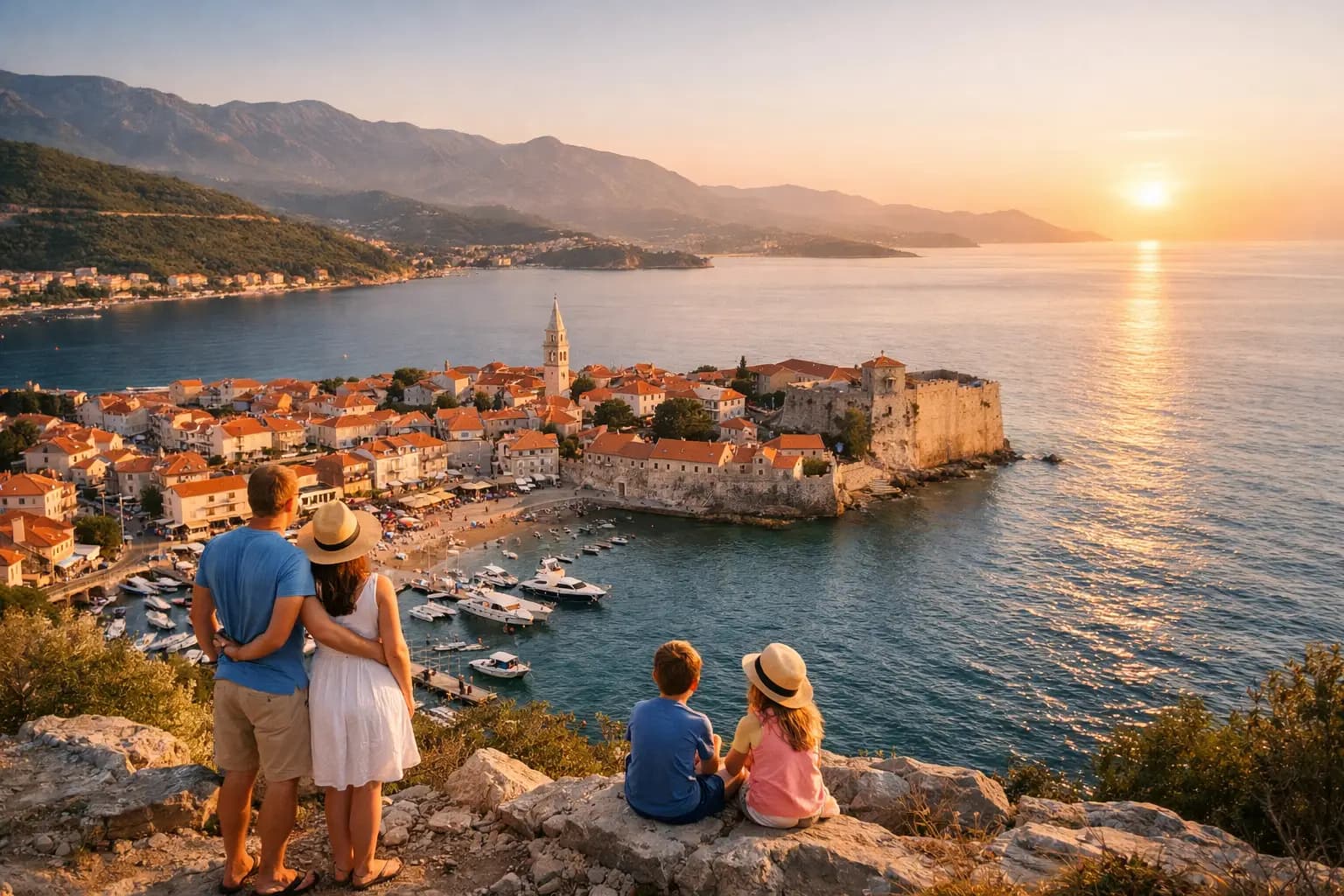
If you are trying to choose among the best islands in the Adriatic, the real question is not which one is most famous. It is which one fits the kind of summer you actually want. For some travelers that means a quick ferry, a walkable old town, and dinner by the harbor. For others it means quiet coves, family apartments, and no pressure to do anything except swim twice a day.
That distinction matters even more for travelers coming from the Balkans diaspora. When you have limited vacation days, children in the back seat, or a flight that lands late, the "best" island is often the one that is easiest to reach and easiest to enjoy without overplanning. Some islands reward spontaneity. Others are better if you book early and accept that beauty comes with logistics.
What makes the best islands in the Adriatic?
There is no single formula. A great Adriatic island usually gets four things right: clear water, enough character to feel memorable, practical ferry access, and accommodation that matches your budget. But trade-offs are real. The prettiest island may be crowded in July. The quietest one may require a longer transfer. The most glamorous one may not be the most relaxing.
For that reason, this list mixes well-known names with islands that still feel grounded. It is built for travelers who want a better decision, not a postcard ranking.
Hvar
Hvar is still one of the strongest all-around choices in the Adriatic, but only if you know what version of Hvar you are booking. Hvar Town is lively, polished, and expensive by regional standards in peak season. It suits couples, groups of friends, and travelers who want long dinners, good bars, and a place that still feels active after sunset.
The mistake is assuming the whole island works like that. Jelsa, Vrboska, and Stari Grad are calmer and often better for families or anyone who wants Hvar's scenery without Hvar Town's pace. The island gives you variety, but that also means you should choose your base carefully.
Brač
Brač is one of the safest recommendations on this list because it works for almost everyone. It is large enough to offer different moods, but practical enough to keep things simple. Bol draws the most attention thanks to Zlatni Rat, a beach that is photographed constantly and still worth seeing in person.
Beyond Bol, Brač feels more balanced than flashy. Supetar is especially useful for travelers arriving by ferry from Split and for families who want straightforward logistics. If your priority is a classic Adriatic summer with beaches, apartments, seafood, and fewer complications, Brač makes a strong case.
Korčula
Korčula has the kind of old town that makes people slow down without trying too hard. It is elegant but not stiff, historic without turning into a museum, and scenic in a way that still feels lived in. Couples tend to love it, but it also works well for travelers who want culture and beach time in the same trip.
It is less chaotic than Hvar and more atmospheric than islands chosen only for swimming. Lumbarda adds sandy beach options, which is a bonus for families with small children. If you want an island with substance, not just views, Korčula is one of the best picks.
Vis
Vis appeals to a specific type of traveler - and that is exactly why people remember it. It sits farther out than many other Croatian islands, so getting there takes a little more effort. But that extra distance has helped preserve a quieter, less polished feel.
This is a good island for repeat Adriatic travelers who are tired of obvious choices. The coves are excellent, the pace is slower, and the food scene is strong without being overly curated. Vis and Komiža each have their own personality, and that split gives the island more depth than first-time visitors expect.
If you want late-night energy or lots of resort-style convenience, Vis may feel too quiet. If you want a slower, more local rhythm, it is hard to beat.
Mljet
Mljet is for travelers who care more about landscape than nightlife. Its biggest strength is peace. Pine forests, salt lakes, and a slower atmosphere make it feel different from islands built around old towns and evening promenades.
It is especially good for couples, nature-focused travelers, and anyone trying to avoid the most crowded summer circuits. The trade-off is obvious: if your ideal island stay includes a lot of restaurants, shopping, or nightlife, Mljet may feel too limited. But if your idea of a good day is swimming, walking, reading, and eating well at night, it delivers.
Pag
Pag is one of the most divided islands in terms of reputation, which makes it easy to misunderstand. One side of its identity is tied to party tourism, especially around Zrće Beach. The other side is much more interesting for many travelers - dramatic landscapes, excellent local cheese, and towns that feel far removed from the party image.
If you are traveling with friends and want nightlife, Pag can absolutely work. But families and couples should not dismiss it too quickly. Base selection matters. Novalja is not the same experience as smaller settlements elsewhere on the island.
Rab
Rab has a softer, greener look than many Adriatic islands, and that alone gives it a different feel. It is especially appealing for families because of its beaches, including sandy options that are still relatively rare along this coast. Rab Town also has enough charm to keep evenings pleasant without needing much planning.
It is not the trendiest island, and that works in its favor. Rab tends to attract travelers who want comfort, swim-friendly beaches, and a more relaxed pace. For parents traveling with younger kids, that often matters more than buzz.
Lošinj
Lošinj has a long wellness tradition and feels slightly more refined than some neighboring islands, but not in a way that excludes regular travelers. The air, pine forests, and walking paths are a big part of the appeal. It suits travelers who want a restorative summer rather than a packed itinerary.
Mali Lošinj is the main hub and gives the island enough energy, while quieter areas make it possible to step away from crowds. If your ideal trip includes morning walks, clean water, and evenings that end early by choice, Lošinj is an excellent fit.
Cres
Cres rarely leads mainstream island conversations, which is part of why it deserves attention. It is large, rugged, and less shaped by mass tourism than some better-known islands. That makes it a strong option for travelers who want a little more space and a little less performance.
The beaches can require more effort, and the overall experience is less polished. But the reward is authenticity. Cres works best for independent travelers, couples with a car, and people who do not need every part of a destination packaged for them.
Dugi Otok
Dugi Otok rewards those willing to go slightly off the obvious path. It is known for dramatic cliffs, beautiful water, and Sakarun, a beach that gets plenty of attention for good reason. Yet the island still feels less saturated than headline destinations farther south.
This is a strong choice for travelers who want scenery and a lower-key stay. The logistics can be less convenient, so it is not always the easiest option for a short break. But for a longer summer stay, especially if you value quiet over status, Dugi Otok is one of the Adriatic's smarter picks.
Koločep, Lopud, and Šipan
These three islands near Dubrovnik are worth considering together because they solve a practical problem. Not everyone wants to commit to a fully remote island stay, especially if flights, transfers, and return schedules are tight. The Elafiti Islands give you island atmosphere without making logistics too demanding.
Lopud is usually the standout for a laid-back stay, while Koločep is the easiest for a quiet escape close to the city. Šipan feels more spread out and traditional. If you want an island feel but need Dubrovnik access, this group makes more sense than forcing a longer transfer.
Which Adriatic island is best for your trip?
The best islands in the Adriatic depend less on rankings and more on timing, travel style, and who is coming with you. For first-time visitors, Brač and Korčula are hard to regret. For couples, Hvar, Korčula, and Mljet each work, but in very different ways. For families, Rab and Brač are often easier than trendier names. For travelers who have "done Croatia" before and want something quieter, Vis, Cres, and Dugi Otok feel more rewarding.
One practical rule helps more than any top-10 list: do not choose an island only by photos. Check how you will get there, what town you will stay in, and whether that town matches the pace you want. On Ljetovanje.com, that kind of comparison is usually where a good summer starts - not with hype, but with the right fit.
The Adriatic does not run out of beautiful islands. The challenge is choosing one that still feels good on day four, not just in the first ten minutes after arrival.
Ready for your next adventure?
Compare flights, accommodation and activities – ljetovanje.com helps you find the best deals for your perfect holiday.
ljetovanje.com
Travel expert and contributor for Ljetovanje.com